

What Does a Brand Ambassador Do & Does Your Event Need One?
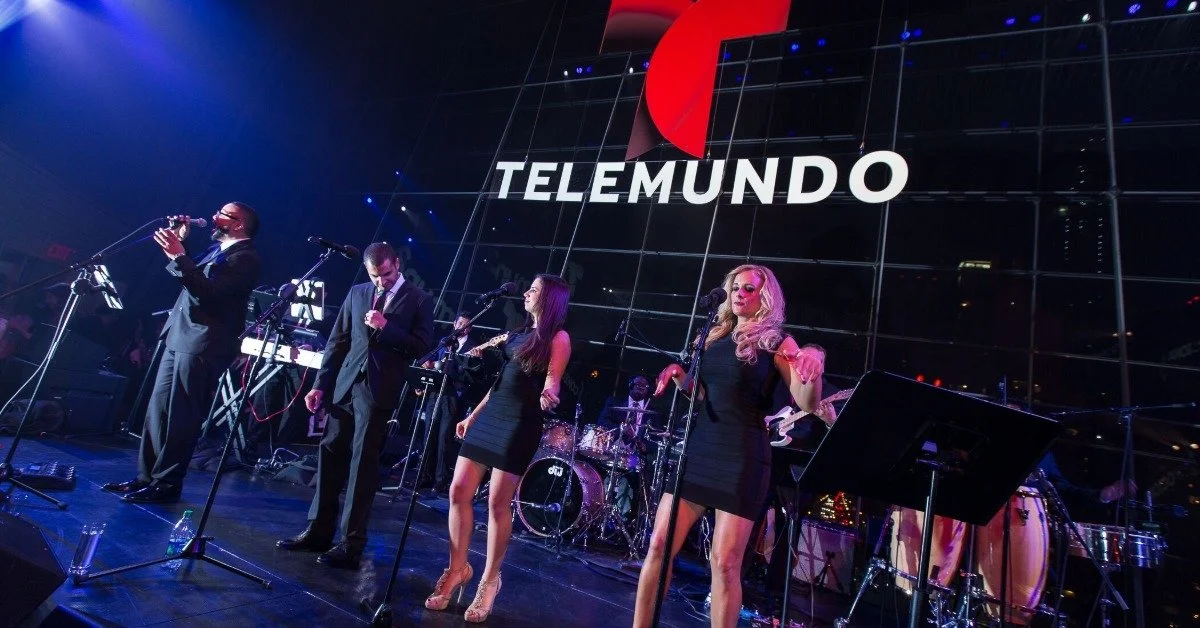
A great event gives guests something to see, do, and remember. However, even an impressive environment can fall short when attendees do not know where to go, how to participate, or why an activation matters. Brand ambassadors help close that gap by adding a knowledgeable, human presence to the experience.
Brand ambassadors can greet attendees, explain products, encourage participation, answer questions, and represent a company throughout an event. Their role goes beyond handing out samples or standing near a display. When brands choose and prepare ambassadors carefully, these team members can make an event feel more welcoming while creating stronger connections between guests and the brand.
What Is a Brand Ambassador at an Event?
A brand ambassador represents a company and interacts directly with attendees on its behalf. At events, ambassadors often serve as one of the most visible points of contact between a brand and its audience.
The exact responsibilities depend on the event. A brand ambassador at a product launch might explain features and demonstrate products, while someone working at an experiential activation might invite guests to participate and walk them through the experience. At a conference or trade show, ambassadors may welcome visitors and help keep conversations moving.
Strong ambassadors understand that they represent more than a logo. Their communication style, attitude, appearance, and knowledge can all shape how attendees perceive the organization behind the event.
What Does a Brand Ambassador Actually Do?
Brand ambassadors focus on creating positive interactions between attendees and the organization they represent. That can involve everything from greeting guests to helping people navigate an interactive experience.
Their responsibilities often include:
Welcoming attendees and starting conversations
Explaining products, services, or event activities
Demonstrating products or interactive features
Distributing promotional materials or samples
Encouraging guests to participate in activations
Answering basic questions about the brand
Directing attendees to relevant event areas
Supporting contests, games, or giveaways
Helping maintain an organized guest experience
The best approach depends on the goals of the event. Ambassadors should always understand what organizers want attendees to do, learn, or remember.
How Do Brand Ambassadors Improve the Guest Experience?
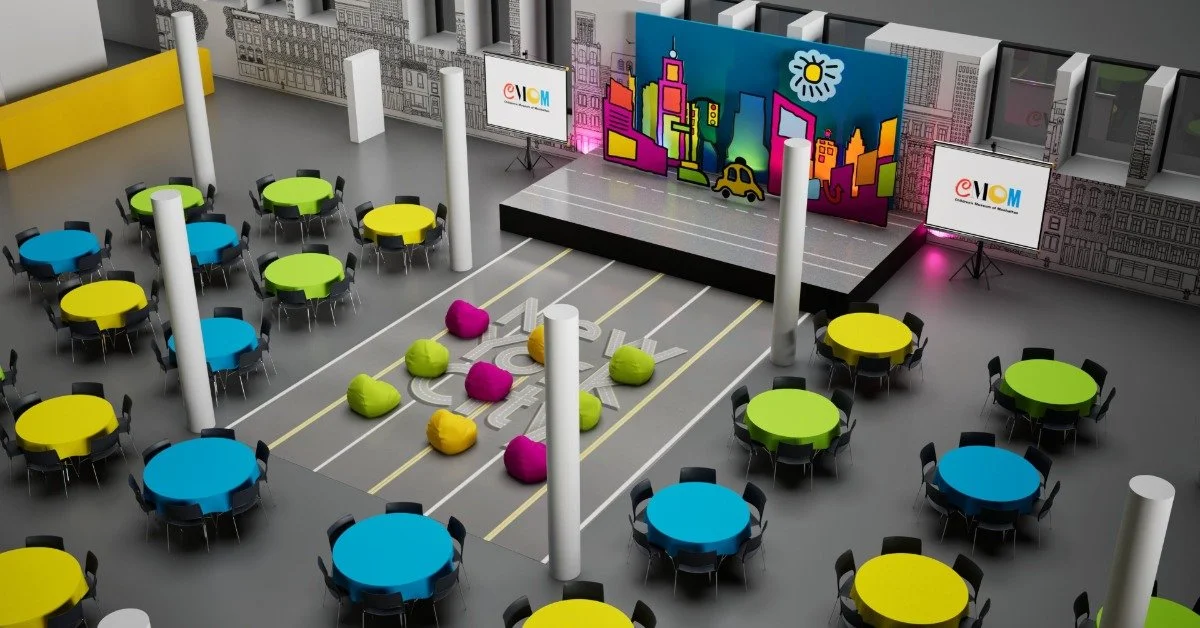
Entering an unfamiliar event environment can feel overwhelming, especially when a venue contains multiple exhibits, activities, or branded installations. Attendees may hesitate when they do not immediately understand how something works.
Brand ambassadors provide a clear point of contact. They can approach guests, answer questions, explain an activity, and remove uncertainty before it turns into frustration.
That human interaction also makes experiences feel more personal. A guest may forget a sign explaining a product feature, but a friendly conversation can create a much stronger impression.
How Can Brand Ambassadors Encourage Event Participation?
An interactive activation only creates value when people actually participate. Even visually striking experiences can struggle to attract engagement if guests cannot tell what they should do.
Brand ambassadors can invite people into the experience and explain the next step. Instead of leaving attendees to figure everything out themselves, ambassadors make participation feel easy and approachable.
They can also adjust their communication based on each interaction. Some attendees need only a quick invitation, while others want a detailed explanation before they participate. That flexibility can help an activation connect with a broader audience.
Can Brand Ambassadors Help Communicate Your Message?
Events often give brands limited time to communicate important information. Guests may encounter dozens of displays, conversations, presentations, and activities during a single day.
Brand ambassadors can reinforce the central message through direct conversations. Rather than overwhelming guests with every detail, they can focus on the information that matters most and answer follow-up questions when attendees show interest.
Consistency matters here. Organizers should prepare ambassadors with clear talking points so every team member communicates accurate information while still sounding natural.
What Makes Someone a Good Brand Ambassador?
An effective ambassador needs more than an outgoing personality. The strongest candidates combine communication skills with professionalism, adaptability, and genuine interest in interacting with people.
Good ambassadors listen as much as they speak. They pay attention to what guests need instead of delivering the same scripted message to everyone. They also recognize when someone wants more information and when someone simply wants to continue exploring the event.
Reliability matters just as much. Ambassadors need to understand their schedules, responsibilities, dress requirements, brand standards, and event procedures before guests arrive.
What Types of Events Benefit From Brand Ambassadors?
Brand ambassadors can support many events, but they add the most value when attendee interaction plays an important role in the experience. Product launches, conferences, trade shows, corporate celebrations, campus events, pop-ups, experiential activations, and promotional events can all benefit from knowledgeable representatives.
Consider the complexity of the guest journey as well. Large events with multiple activities may need ambassadors to help attendees navigate the environment, while smaller activations might use a few carefully positioned representatives to drive participation.
The event format should determine staffing decisions. Adding ambassadors simply because they seem like a standard event feature will not automatically improve the experience.
Do Trade Shows and Conferences Need Brand Ambassadors?
Guest flow affects nearly every part of an event. Confusion around entrances, queues, activities, or transitions can quickly create congestion and frustration.
Brand ambassadors can provide directions and help attendees understand where to go next. Around popular activations, they can explain the process before guests reach the front of a line, which may help interactions move more smoothly.
This support becomes particularly useful at events with several experiences happening simultaneously. Clear human direction can complement signage and environmental design while giving attendees a place to ask questions.
How Should Brand Ambassadors Fit Into the Larger Event Team?
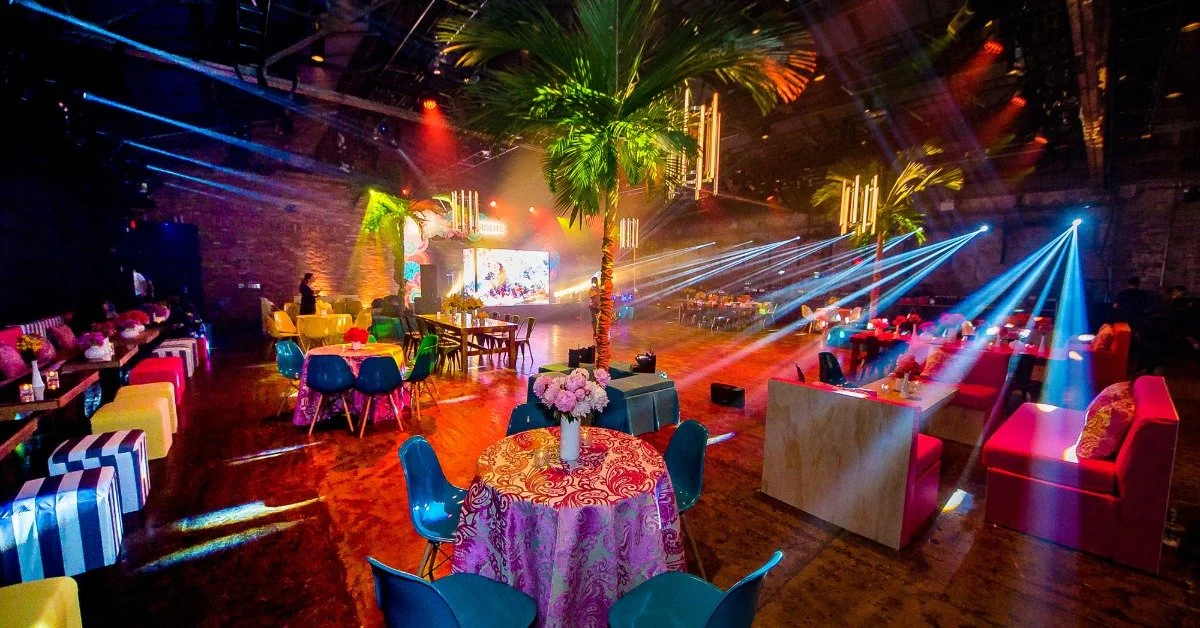
Brand ambassadors work best as part of a coordinated event operation rather than as an isolated group. They should understand how their responsibilities connect with producers, venue teams, technical staff, security, vendors, and other event personnel.
Clear communication becomes especially important when plans change. Ambassadors need to know where to send questions, how to report problems, and who can make decisions when unexpected situations arise.
When working with professional event management services, organizers can incorporate ambassador staffing into the broader guest experience rather than treating it as an afterthought. That coordination can help align staffing, activities, logistics, and messaging around the same event goals.
Should You Add Brand Ambassadors to Your Next Event?
Brand ambassadors can turn a branded environment into a more personal experience. They give attendees someone to approach, help interactive elements feel accessible, and provide brands with an opportunity to communicate through genuine human conversations.
Their value ultimately depends on how well their role supports the event's goals. Thoughtful staffing, clear training, and strong coordination matter more than simply putting more people on the floor.
NYFF Events creates experiences for corporate events, brands, agencies, campuses, and other organizations. When an event calls for multiple moving pieces, we can help bring the experience together so the people, activities, equipment, and environment work toward a common goal. The result can feel organized and intentional while still giving guests plenty of room to explore, interact, and enjoy the experience.