

11 Tips for Renting Carnival Games for a Corporate Event

Corporate events do not always need formal entertainment or complicated programming to keep people engaged. Sometimes, familiar games, friendly competition, and a little nostalgia can give guests exactly what they need to relax and connect. Carnival games can transform an ordinary company gathering into an interactive experience that encourages employees, clients, and other attendees to participate.
However, event planners need to consider their audience, venue, available space, event goals, and overall experience. The following tips can help you choose carnival games that fit naturally into a corporate event while keeping guests entertained.
1. Start With the Purpose of Your Corporate Event
Before selecting any games, identify what you want attendees to get from the event. A company picnic designed to help employees unwind calls for a different experience than a client appreciation event or brand activation.
Your goal can influence everything from game selection to placement. If networking matters, choose activities that encourage conversation and casual participation. If team building matters more, competitive games can give coworkers an easy reason to interact.
Keeping the purpose of the event in mind also prevents entertainment from feeling disconnected from the rest of the experience. Every activity should contribute to the atmosphere you want to create.
2. Consider Who Will Attend
The best carnival games for a corporate event match the interests and comfort levels of the people attending. Consider factors such as group size, workplace culture, event setting, and whether employees will bring family members.
You should also offer activities that guests can understand quickly. Complicated rules can discourage participation, particularly when people want to socialize rather than spend several minutes learning a game.
Variety can help you appeal to a broader audience. A mix of skill based, competitive, and casual games gives attendees more freedom to participate in ways they enjoy.
3. Choose Carnival Games That Encourage Interaction
Corporate events often give colleagues an opportunity to connect outside their usual workplace routines. Games can make those conversations easier by giving attendees something to do together.
Look for games that create natural moments of interaction. Guests might compete against each other, cheer for coworkers, compare scores, or simply watch the action while talking.
The activity does not need to dominate the event. Even simple carnival games can act as social icebreakers and create shared experiences that attendees can talk about afterward.
4. Match Your Games to the Available Space
Before you reserve carnival rentals, take a close look at your venue. Determine how much usable space you have and consider how guests will move between games, food stations, seating areas, entrances, and other attractions.
Do not simply calculate whether each game physically fits. Guests also need enough room to participate safely and comfortably without blocking major pathways.
Outdoor events may offer more flexibility, but planners still need to consider terrain, access, power requirements, and weather conditions. Indoor venues can require more precise measurements, especially when dealing with doors, ceilings, hallways, and elevators.
5. Create a Balanced Mix of Activities
Renting several nearly identical games can make the entertainment area feel repetitive. Instead, create a lineup that offers different types of experiences.
A balanced selection could include:
Head to head competitive games
Individual skill challenges
Quick games for casual participation
Group friendly activities
Familiar carnival classics
Interactive games that attract spectators
Think about how the games complement each other. Some guests will want energetic competition, while others may prefer an activity they can try casually between conversations.
6. Think About Guest Flow Around the Games
Great entertainment can create an unexpected problem when too many people gather in one place. Consider guest flow as you decide where each game should go.
Popular games need enough surrounding space for participants and spectators. Avoid placing multiple high interest attractions directly beside each other if the resulting crowd could block walkways.
You can also spread games throughout a larger venue to encourage exploration. Thoughtful placement helps entertainment feel like part of the overall event rather than a separate area that guests need to seek out.
7. Select Games That Fit Your Event Theme
Carnival games bring plenty of personality on their own, but they should still make sense within the larger event. Consider your theme, decor, audience, and desired atmosphere when making selections.
A casual employee appreciation picnic may work well with classic midway style games. A polished corporate celebration might call for interactive options that provide the excitement of carnival play while complementing a more sophisticated environment.
Consistency matters because guests experience an event as a whole. Entertainment, decor, food, lighting, and other elements should work together instead of competing for attention.
8. Consider Opportunities for Friendly Competition
Competition can add energy to a corporate gathering without requiring a complicated tournament. A simple score, timed challenge, or head to head matchup can motivate attendees to participate.
You can organize departments into teams, create informal leaderboards, or let guests challenge coworkers throughout the event. Keep the structure simple so people can join without committing to a long activity.
Friendly competition works best when it stays welcoming. Give people the freedom to play casually instead of making every game feel like a serious contest.
9. Decide Whether Prizes Make Sense
Prizes can make carnival games more exciting, but they do not need to become the main attraction. Small rewards can provide an extra incentive while keeping attention on the experience itself.
For corporate events, think about prizes that suit the audience and occasion. Branded merchandise, small gift items, or event themed rewards may fit better than traditional carnival prizes.
You can also skip prizes entirely. If the games offer enough entertainment and social interaction, many attendees will participate simply because they enjoy the challenge.
10. Ask About Setup and Operational Requirements
Every rental comes with practical considerations. Before finalizing your selections, understand what each game requires at the venue.
Ask about space, electrical needs, setup time, breakdown procedures, staffing, and any other operational requirements. For outdoor events, discuss weather plans and ground conditions as well.
Clear planning helps prevent surprises on event day. It also allows your venue and event teams to coordinate entertainment with catering, production, decor, and other services that need access to the space.
11. Plan for the Size of Your Guest List
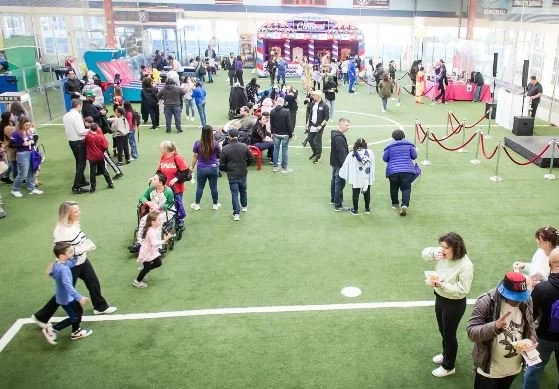
A great game cannot entertain hundreds of guests at once. Consider the number of people attending and how quickly each activity can move participants through.
If you expect a large crowd, offer enough games to distribute guests throughout the event. Activities with short rounds can also help reduce waiting and keep participation moving.
For smaller corporate gatherings, you may benefit from fewer, carefully selected games. The goal involves creating enough entertainment for your audience without making the space feel overcrowded or unnecessarily busy.
Make Carnival Games Part of the Experience
Carnival games can bring energy, conversation, and friendly competition to company picnics, employee appreciation events, client gatherings, and other corporate occasions. The key involves choosing activities intentionally rather than simply filling the venue with games.
Consider your audience first, then evaluate your space, guest count, schedule, theme, and event goals. Choose a varied collection of activities and give guests enough room to participate comfortably.
With thoughtful planning, carnival games can give colleagues and guests a simple way to interact, enjoy the event, and create memorable moments together.