


Retail continues to evolve as shoppers seek memorable, interactive experiences instead of traditional transactions. Brands now compete for attention across physical stores, ecommerce platforms, and social media, making it more important than ever to create meaningful customer connections. Retail pop-up shops offer businesses an opportunity to engage audiences in fresh environments while generating excitement around products and promotions.
Unlike permanent storefronts, pop up shops create urgency. Customers know they have a limited amount of time to visit, which encourages faster purchasing decisions and greater participation. When businesses combine thoughtful planning with engaging design, pop ups become powerful tools for increasing revenue, expanding brand awareness, and collecting valuable customer insights.
Why Retail Pop Up Shops Continue to Grow
Pop up shops give businesses flexibility that traditional retail locations cannot match. Brands can introduce new products, enter unfamiliar markets, or support seasonal campaigns without committing to a long term lease.
Customers also appreciate experiences that feel unique. Limited time events naturally create excitement and encourage people to visit before the opportunity disappears.
Businesses often use pop up shops to:
Launch new products
Test new geographic markets
Build local brand awareness
Generate social media engagement
Increase direct customer interactions
Support seasonal campaigns
These goals often work together, helping businesses increase both immediate sales and long term customer loyalty.
Choose the Right Location
Even the most creative pop up shop struggles without the right location. High visibility areas with strong foot traffic often generate the best results, but traffic alone does not guarantee success.
Consider whether the surrounding audience matches your target customer. A luxury product performs better in an upscale shopping district than at a venue that attracts bargain shoppers. Likewise, family oriented products often perform well near community events or entertainment destinations.
Accessibility also matters. Easy parking, public transportation, and clear signage encourage more visitors to stop and explore.
Create an Experience Instead of Just a Store
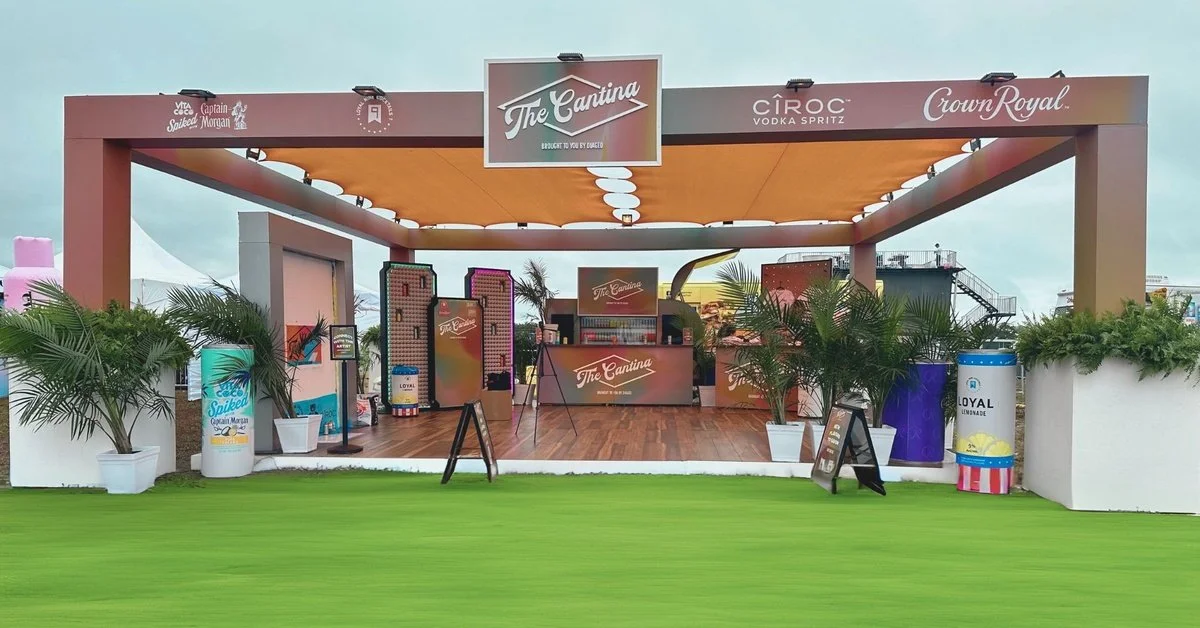
Successful pop up shops focus on experiences rather than shelves filled with products. Visitors remember interactive moments far longer than standard retail displays.
Consider incorporating demonstrations, product customization, hands on activities, or immersive displays that encourage customers to participate. These experiences create emotional connections that often translate into stronger purchasing decisions.
Thoughtful lighting, attractive layouts, and branded environments also encourage guests to spend more time inside the space, increasing opportunities for sales conversations.
Build Anticipation Before Opening Day
Marketing should begin well before the doors open. Customers cannot visit an event they never hear about.
Develop a promotional campaign that builds excitement across multiple channels. Social media countdowns, email campaigns, influencer partnerships, and local media outreach all help create awareness before launch.
Sharing behind the scenes preparation also creates anticipation. Customers enjoy seeing products arrive, displays come together, and final details before opening.
Creating momentum early often leads to stronger attendance during the critical first days of operation.
Offer Exclusive Products or Promotions
Limited availability drives action. Customers often purchase faster when they believe products or promotions will disappear after the event ends.
Exclusive merchandise, early product releases, limited edition collections, or event only discounts encourage immediate buying decisions.
These exclusive offerings also provide excellent opportunities for social sharing. Visitors frequently post unique products online, helping attract additional customers throughout the event.
Scarcity works best when it feels authentic rather than manufactured.
Design the Space for Customer Flow
An attractive display means little if customers struggle to move through the space comfortably.
Organize the layout so visitors naturally progress from entrance to featured products and checkout. Avoid cluttered aisles or confusing product placement.
Clear sightlines allow guests to quickly understand what the pop up offers. Featured displays should attract attention immediately while supporting areas encourage deeper exploration.
Comfortable movement encourages longer visits, which often increases average purchase value.
Train Staff to Create Meaningful Conversations
Knowledgeable, enthusiastic staff members play a major role in retail success.
Rather than focusing exclusively on selling, employees should ask questions, understand customer needs, and recommend appropriate solutions. Genuine conversations build trust and improve the overall shopping experience.
Staff should also understand the goals of the pop up. Whether the objective involves sales, product education, or lead generation, everyone should deliver consistent messaging throughout the event.
Friendly interactions often become one of the most memorable parts of the customer experience.
Incorporate Technology to Increase Engagement
Technology helps create interactive experiences while supporting purchasing decisions.
Digital displays, QR codes, touch screens, and mobile checkout systems reduce friction throughout the buying process. Customers appreciate quick access to product information and fast purchasing options.
Interactive technology also creates opportunities for data collection. Email signups, digital contests, and product surveys help brands continue conversations after the event concludes.
Blending physical experiences with digital convenience strengthens customer engagement.
Encourage Social Media Sharing
Every visitor has the potential to become a brand ambassador.
Design photo worthy displays that encourage guests to capture and share their experience online. Branded backdrops, interactive installations, and visually appealing product presentations naturally inspire user generated content.
Creating an event hashtag also helps organize customer posts while expanding online visibility.
Social media exposure extends the reach of the pop up well beyond those who attend in person.
Measure Results Beyond Immediate Sales
Sales remain an important performance indicator, but they should not stand alone.
Successful brands evaluate several metrics to understand the full impact of a pop up shop. Website traffic, email signups, social engagement, customer feedback, and lead generation all provide valuable insights.
Reviewing multiple performance indicators helps businesses refine future events and improve return on investment.
Understanding customer behavior also supports smarter marketing decisions long after the pop up ends.
Partner With Experienced Event Professionals
Creating a successful retail pop up requires expertise across logistics, design, production, and customer experience.
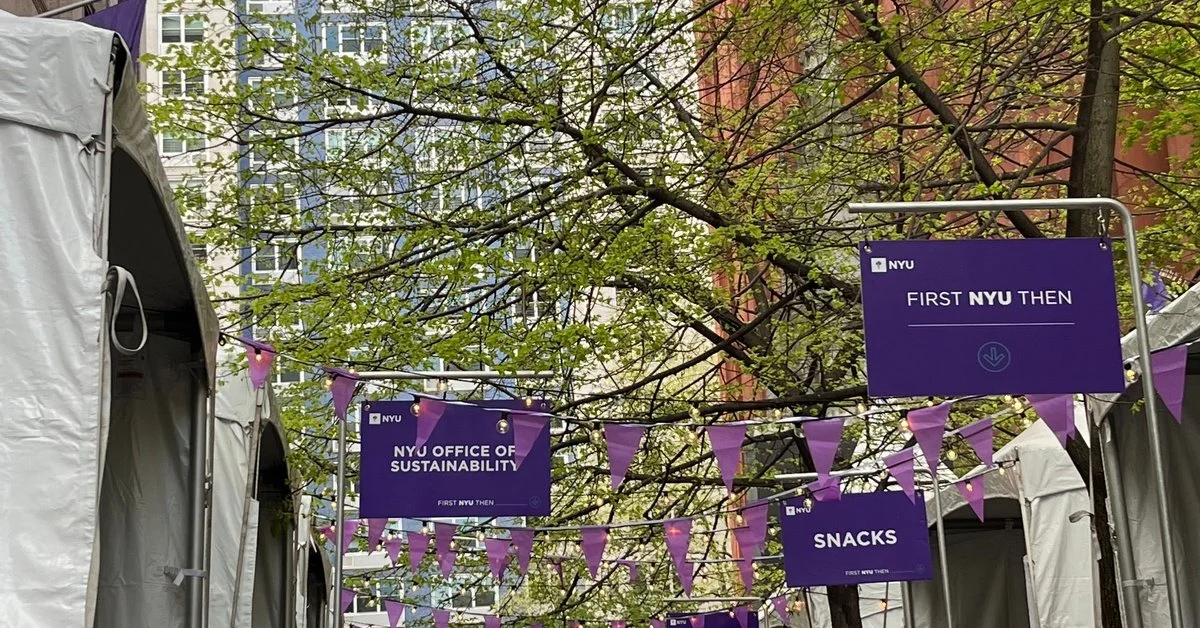
Professional event teams help businesses coordinate layouts, equipment, permits, staffing, branding, and production details while keeping projects organized from planning through execution. Experienced partners also anticipate challenges before they affect the customer experience.
Many organizations rely on creative event services to transform retail concepts into polished, engaging environments that align with business objectives while maintaining operational efficiency.
Strong execution allows brands to focus on customers instead of managing behind the scenes details.
Continue the Customer Relationship After the Event
The end of a pop up should mark the beginning of an ongoing relationship rather than the conclusion of one.
Follow up with customers through email campaigns, loyalty programs, product updates, and personalized offers. Thank visitors for attending and provide opportunities to stay connected with the brand.
Customer data collected during the event becomes valuable when businesses use it thoughtfully. Continued communication strengthens loyalty and increases the likelihood of repeat purchases.
Building long-term relationships often produces greater value than a single transaction.
Businesses Popping Up
Retail pop-up shops create opportunities that traditional retail environments often cannot match. Their temporary nature encourages urgency, while their flexibility allows brands to experiment with new ideas, markets, and customer experiences. Businesses that combine strategic planning with engaging design position themselves to generate stronger sales and lasting brand recognition.
Success depends on more than selecting an attractive venue. The most effective pop up shops focus on customer experience, thoughtful marketing, interactive engagement, knowledgeable staff, and careful performance measurement. Every detail contributes to how visitors perceive the brand and whether they decide to make a purchase.