

Mission-focused galas continue to evolve as organizations search for more meaningful ways to connect with donors, sponsors, and attendees. Today’s guests expect more than a ballroom and a plated dinner. They want immersive moments, emotional storytelling, and intentional design choices that reflect the purpose behind the event.
Strong gala design creates an experience people remember long after the night ends. Every detail matters, from lighting and layouts to interactive installations and branded visuals. Organizations that prioritize thoughtful design often create stronger audience engagement and deeper emotional connections with supporters.
As expectations rise, many nonprofits, universities, and corporate foundations now approach gala planning with the same creativity used in large-scale experiential events. The result includes more dynamic spaces, more audience participation, and more opportunities to reinforce the mission throughout the evening.
Design With the Mission at the Center
The most impactful galas keep the mission visible in every design decision. Instead of treating branding as decoration, successful events integrate the organization’s purpose into the environment itself.
A healthcare fundraiser might use calming lighting palettes and storytelling displays that honor patient journeys. An environmental nonprofit could incorporate natural textures, sustainable materials, and digital projections inspired by nature.
Mission-driven design helps attendees feel emotionally connected to the cause. It also creates a cohesive atmosphere that feels authentic instead of overly corporate.
When planners align visuals with the organization’s goals, guests experience the mission rather than simply hearing about it during speeches.
Create Immersive Arrival Experiences
First impressions shape the tone for the entire evening. Guests often decide how engaged they feel within the first few minutes of entering the venue.
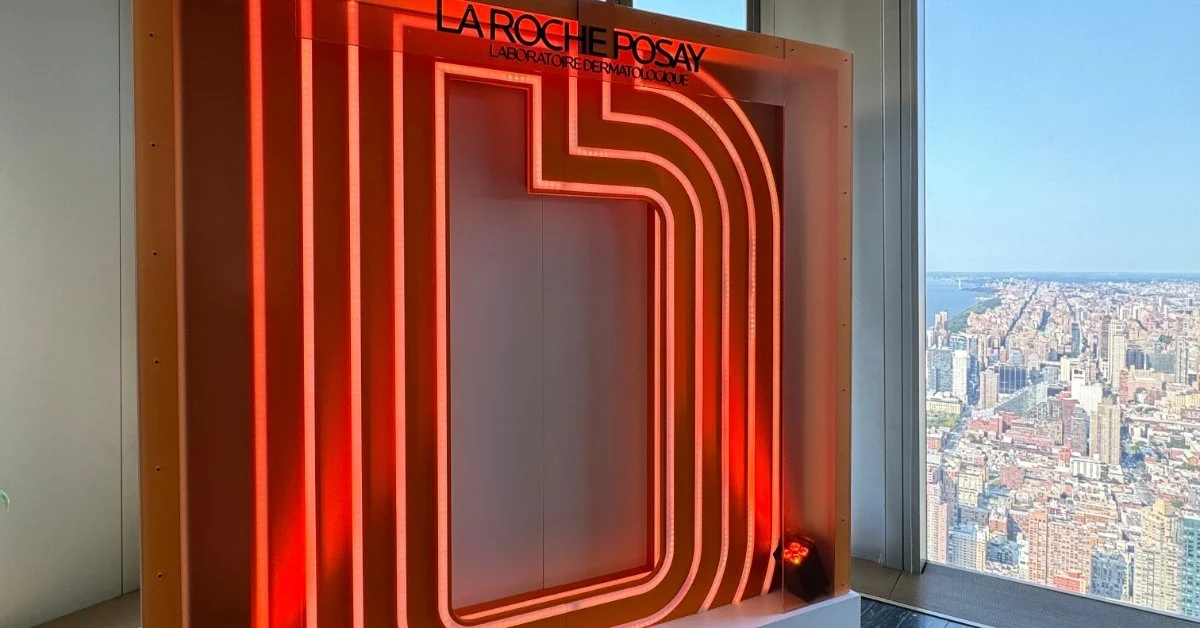
Modern galas increasingly use immersive entrances to build anticipation and excitement. Custom lighting tunnels, branded projections, floral installations, and digital welcome walls create immediate impact.
Some organizations also incorporate interactive check-in experiences that encourage participation from the moment guests arrive. Photo activations, personalized welcome screens, and live social displays help attendees feel connected right away.
An engaging arrival experience sets the emotional tone while reinforcing the event’s theme and mission.
Use Lighting as a Storytelling Tool
Lighting plays one of the biggest roles in gala design. It influences mood, directs attention, and transforms ordinary spaces into memorable environments.
Today’s trending gala designs rely heavily on layered lighting instead of static room washes. Designers often combine uplighting, pin spotting, color transitions, and projection mapping to create movement throughout the evening.
Lighting also supports storytelling. Warm amber tones may create intimacy during fundraising appeals, while vibrant color changes can energize the crowd during entertainment segments.
Organizations that invest in strategic lighting often elevate the overall guest experience without needing excessive décor.
Design Flexible Lounge Spaces
Traditional banquet seating no longer dominates gala layouts. Guests now appreciate spaces that encourage conversation, networking, and comfort.
Flexible lounge areas create opportunities for attendees to relax between scheduled programming. These spaces often include modern furniture, cocktail tables, soft lighting, and branded design elements.
Lounge environments work especially well for corporate galas and university fundraising events because they encourage relationship building. They also create visual variety within large venues.
When planners thoughtfully position lounges near bars, activations, or entertainment areas, guests naturally spend more time engaging with the event.
Incorporate Interactive Design Elements
Interactive experiences continue to trend across the event industry because they encourage participation and increase audience engagement.
Mission-focused galas now include experiential installations that invite attendees to interact with the organization’s story. Some events feature digital pledge walls, touch-screen timelines, immersive exhibits, or live art experiences tied to the cause.
Interactive elements help guests become active participants instead of passive observers.
Popular interactive design ideas include:
Branded photo experiences
Donation driven digital displays
Live polling and audience participation
Interactive storytelling stations
Mission inspired art installations
These experiences often generate organic social sharing while creating stronger emotional connections to the organization.
Prioritize Sophisticated Branding
Branding should feel intentional and refined throughout a gala environment. Overcrowded signage and repetitive logos can make even high-end events feel cluttered.
Current design trends favor subtle, sophisticated branding techniques. Instead of oversized banners, planners often incorporate logos into lighting projections, custom stage builds, cocktail napkins, menus, and digital displays.
Consistent typography, color palettes, and graphic treatments help create a polished look across every touchpoint.
Sophisticated branding reinforces professionalism while allowing the mission and guest experience to remain the focus.
Blend Technology With Human Connection
Technology now shapes many aspects of gala design, but successful events use it strategically rather than excessively.
LED walls, projection mapping, live streaming, and interactive screens can dramatically enhance storytelling when used thoughtfully. However, the best mission-focused galas balance technology with authentic human interaction.
For example, a nonprofit might use immersive video content to introduce a fundraising appeal, then follow it with a powerful live speaker presentation. This combination creates emotional impact without overwhelming attendees.
Modern event production teams often help organizations integrate technology seamlessly into the event experience while maintaining a warm and welcoming atmosphere.
Focus on Stage Design That Feels Dynamic
Stage design has become far more creative in recent years. Simple pipe-and-drape backdrops no longer meet the expectations of many audiences.
Today’s galas often feature layered stage environments with dimensional scenic elements, custom lighting structures, LED integration, and textured materials.
Dynamic stages help maintain visual interest throughout long programs. They also improve audience focus during speeches, entertainment, and fundraising moments.
Organizations should also think carefully about stage sightlines. Guests need clear visibility from every part of the room to remain engaged throughout the event.
A well-designed stage becomes the visual centerpiece of the evening while reinforcing the event’s overall theme.
Embrace Sustainable Design Choices
Sustainability continues to influence event design trends across corporate and nonprofit sectors alike.
Many mission-focused organizations now seek eco-conscious gala solutions that reduce waste while maintaining a high-end aesthetic.
Reusable scenic elements, digital signage, rented décor, LED lighting, and locally sourced floral arrangements all help support more sustainable events.
Guests increasingly notice and appreciate environmentally responsible choices, especially when sustainability aligns with the organization’s mission.
Design teams can also reduce excess by focusing on quality over quantity. A few impactful statement pieces often create stronger visual results than excessive décor spread throughout the venue.
Make Dining Experiences More Visual
Food presentation now plays a larger role in gala design than ever before. Guests increasingly view dining as part of the overall experience rather than a separate component.
Many organizations move beyond traditional plated service by incorporating visually engaging culinary stations, elevated dessert displays, and chef driven presentations.
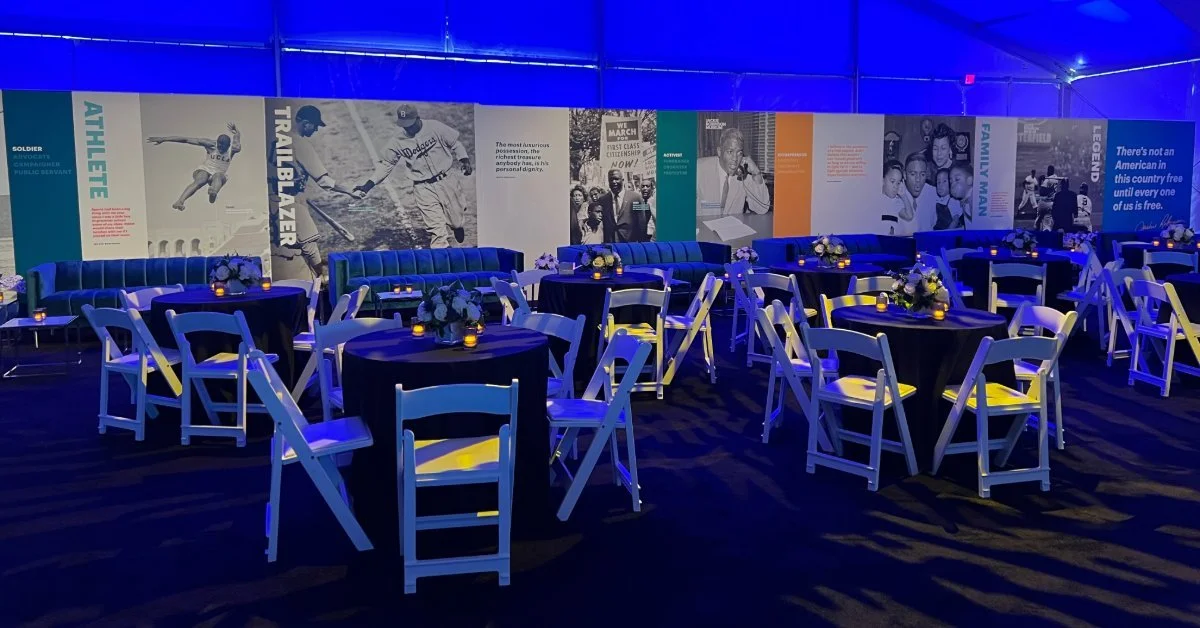
Creative table styling also enhances the dining atmosphere. Textured linens, layered place settings, modern centerpieces, and custom menus help elevate the experience.
When dining design aligns with the event theme, guests experience greater immersion throughout the evening.
Use Entertainment as Part of the Design
Entertainment should feel integrated into the event environment instead of disconnected from the overall experience.
Modern galas often blend performers directly into the design concept through immersive entertainment experiences. Live musicians may perform within lounge spaces, aerial artists might complement a themed environment, or interactive performers could engage guests during cocktail hour.
This approach creates more energy and movement throughout the venue.
Entertainment driven design also helps maintain momentum between formal programming segments. Guests remain engaged because the experience continues evolving throughout the night.
Galas That Impress
Mission-focused galas continue to push beyond traditional event formats as organizations prioritize deeper audience engagement and more immersive experiences. Today’s design trends emphasize storytelling, intentional branding, interactive elements, and emotionally driven environments that align closely with organizational values.
Successful gala design does not require excessive extravagance. Instead, it depends on thoughtful choices that create meaningful moments for attendees. From sophisticated lighting and dynamic stage design to immersive arrivals and social media friendly activations, every detail contributes to the overall experience.