

Creating Impactful Nonprofit Event Staging
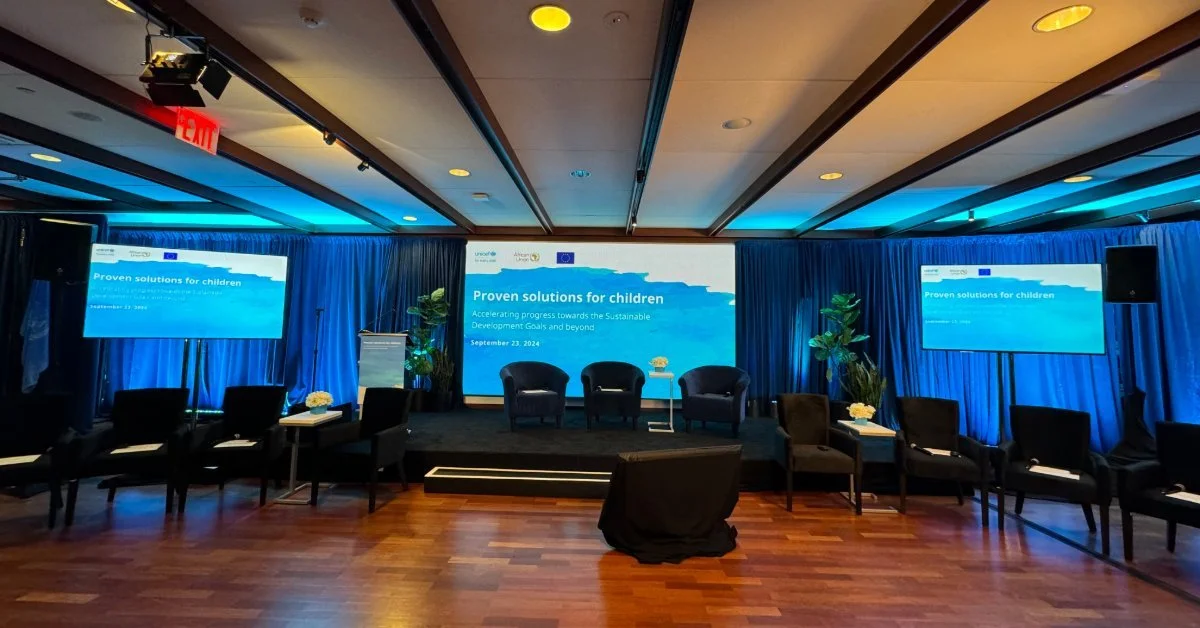
Nonprofit events rely on emotion, storytelling, and audience connection. Every design choice inside a venue shapes how attendees experience a mission. Strong staging helps organizations communicate their purpose clearly while creating an environment that encourages engagement and support.
Nonprofit event staging directs attention, supports programming, improves audience flow, and reinforces brand identity. Whether an organization hosts a fundraising gala, awareness campaign, donor appreciation dinner, or community event, staging influences how guests remember the experience long after the event ends.
Many nonprofits work within strict budgets, but impactful staging does not require excessive spending. Strategic planning, thoughtful layouts, and intentional production choices often create stronger results than oversized installations or expensive décor.
Why Event Staging Matters for Nonprofits
Staging shapes the atmosphere before a speaker even walks on stage. Guests form opinions immediately when they enter a venue. Lighting, room layout, scenic elements, and audiovisual production establish tone and credibility within seconds.
Nonprofits often ask audiences to invest emotionally and financially. Professional staging builds trust by showing attention to detail and organizational care. A cohesive environment also helps attendees focus on the message instead of distractions.
Strong staging supports several nonprofit goals at once:
Increase audience engagement
Improve storytelling opportunities
Highlight sponsors appropriately
Support fundraising moments
Create memorable visual experiences
Encourage social sharing and photography
When staging aligns with the mission, attendees feel more connected to the organization’s purpose.
Start With the Mission and Audience
Effective nonprofit staging begins with understanding the audience and event goals. A donor gala requires a different atmosphere than a university fundraiser or public awareness event.
Organizations should ask several important questions during planning:
What emotions should guests feel during the event?
Which moments require the most audience attention?
Will the event prioritize fundraising, education, networking, or celebration?
How should the nonprofit brand appear visually?
What experience matches attendee expectations?
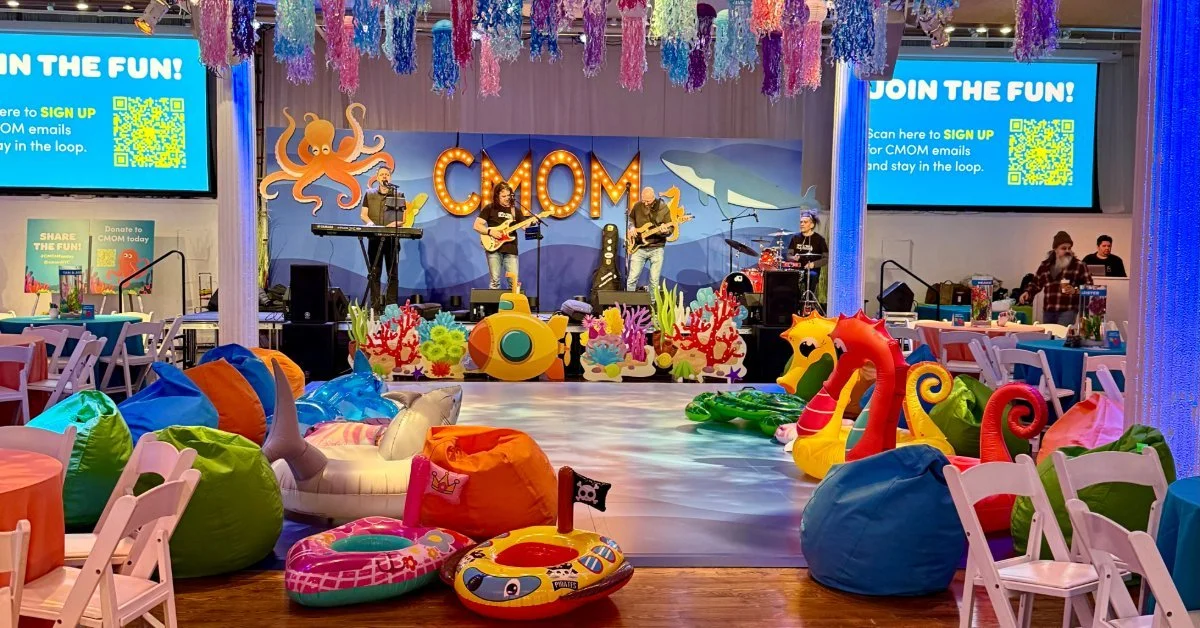
The answers influence every production decision. A healthcare nonprofit may focus on calm, elegant visuals with emotional storytelling. A youth focused organization may choose energetic lighting and immersive visuals that create excitement.
Staging should always support the mission instead of competing with it.
Create a Strong Stage Focal Point
The stage serves as the visual anchor of most nonprofit events. Guests naturally direct attention toward the main presentation area, so the stage design should feel intentional and balanced.
Simple scenic elements often create the strongest impact. Clean backdrops, branded graphics, dimensional lighting, and layered textures add sophistication without overwhelming the space.
Organizations should also prioritize visibility. Guests seated in the back of the room need clear sightlines to presenters, screens, and key moments. Elevated staging platforms, properly sized projection screens, and thoughtful seating arrangements improve audience engagement significantly.
A cluttered stage weakens presentations. Clean layouts help speakers, performers, and videos remain the primary focus.
Use Lighting to Shape Emotion
Lighting transforms nonprofit events more than almost any other production element. It controls mood, highlights focal points, and guides audience attention throughout the program.
Warm lighting creates intimacy during donor recognition moments. Dynamic color changes increase energy during entertainment segments. Focused stage lighting ensures presenters remain visible and professional.
Nonprofits can also use lighting to reinforce branding. Colored uplighting that matches organizational colors creates a cohesive environment without major construction costs.
Lighting transitions matter as well. Smooth changes between presentations, videos, and fundraising appeals help maintain audience focus and emotional momentum.
Even modest lighting upgrades can elevate an event dramatically.
Prioritize High Quality Audio
Guests remember poor audio immediately. If attendees cannot hear presenters clearly, even the strongest program loses effectiveness.
Nonprofit events often include speeches, videos, musical performances, and live fundraising appeals. Each element depends on reliable sound reinforcement.
Professional audio planning includes:
Speaker placement for even room coverage
Wireless microphones for presenters
Backup microphones and equipment
Audio support for video playback
Sound checks before guest arrival
Clear sound improves audience comfort and keeps attention focused on the mission.
Many organizations underestimate the importance of audio because guests notice it only when problems occur. Reliable sound production creates a smoother, more polished experience from beginning to end.
Incorporate Storytelling Through Visual Design
Visual storytelling helps nonprofit audiences connect emotionally with a cause. Scenic elements, screen content, photography, and motion graphics should work together to support the organization’s message.
Large screens provide opportunities to showcase:
Impact statistics
Community stories
Volunteer highlights
Sponsor recognition
Donation progress
Mission driven videos
Consistency matters throughout the event. Fonts, colors, imagery, and messaging should align across screens, signage, and stage elements.
Strong visual storytelling helps attendees understand how their support creates measurable impact.
Design for Guest Experience
Successful nonprofit staging extends beyond the stage itself. The entire guest journey contributes to the event experience.
Attendees interact with multiple environments throughout an event, including entrances, registration areas, cocktail spaces, dining areas, and photo opportunities. Consistent production design across these areas creates a cohesive atmosphere.
Wayfinding also improves guest comfort. Clear signage, logical layouts, and intentional traffic flow reduce confusion and help attendees move naturally through the venue.
Comfort influences engagement as well. Guests stay more attentive when seating arrangements allow clear views, proper spacing, and comfortable movement throughout the room.
Thoughtful staging should make the experience feel effortless from arrival through departure.
Balance Budget and Production Value
Nonprofits often face pressure to maximize impact while managing limited budgets. Smart staging focuses resources where they create the strongest audience impression.
Organizations do not need extravagant builds to create memorable environments. Strategic lighting, clean scenic design, and strong audiovisual execution often provide greater value than oversized décor installations.
Rental flexibility also helps nonprofits scale production according to event needs. An experienced event management company can recommend solutions that balance visual impact with financial efficiency.
Prioritizing high visibility elements usually creates the best results. Guests notice stage presentation, lighting quality, audio clarity, and overall atmosphere more than small decorative details.
Careful planning prevents overspending while still delivering professional production value.

Support Fundraising Moments Strategically
Fundraising moments require intentional production planning. The emotional momentum leading into donation appeals often determines event success.
Lighting, audio, visuals, and stage pacing should work together during key fundraising segments. Emotional videos need strong screen visibility and clear sound. Speakers should remain well lit and easy to hear. Donation progress displays should feel exciting without becoming distracting.
Transitions matter significantly during fundraising appeals. Abrupt changes in lighting or audio can interrupt emotional connection.
Many nonprofits also benefit from simplifying stage activity during donation requests. A cleaner visual environment keeps audience focus on the message and call to action.
Well executed production supports stronger audience engagement during critical fundraising moments.
Collaborate With Experienced Production Teams
Nonprofit events involve many moving parts. Production professionals help organizations navigate technical planning, logistics, scheduling, and execution more efficiently.
Experienced staging teams understand how to maximize impact within specific budgets and venue limitations. They also anticipate challenges before they become problems during the event.
Collaboration between nonprofit leadership, creative teams, and production partners leads to stronger outcomes because each group contributes different expertise.
The most successful nonprofit events combine mission driven storytelling with polished execution. Strong collaboration helps organizations achieve both goals simultaneously.
Focus on Lasting Audience Impressions
Impactful nonprofit staging creates more than visual appeal. It helps organizations communicate purpose, inspire audiences, and strengthen emotional connection.
Guests may forget individual décor details, but they remember how an event made them feel. Thoughtful lighting, strong storytelling, clear audio, and cohesive staging create experiences that support fundraising and long term engagement.