

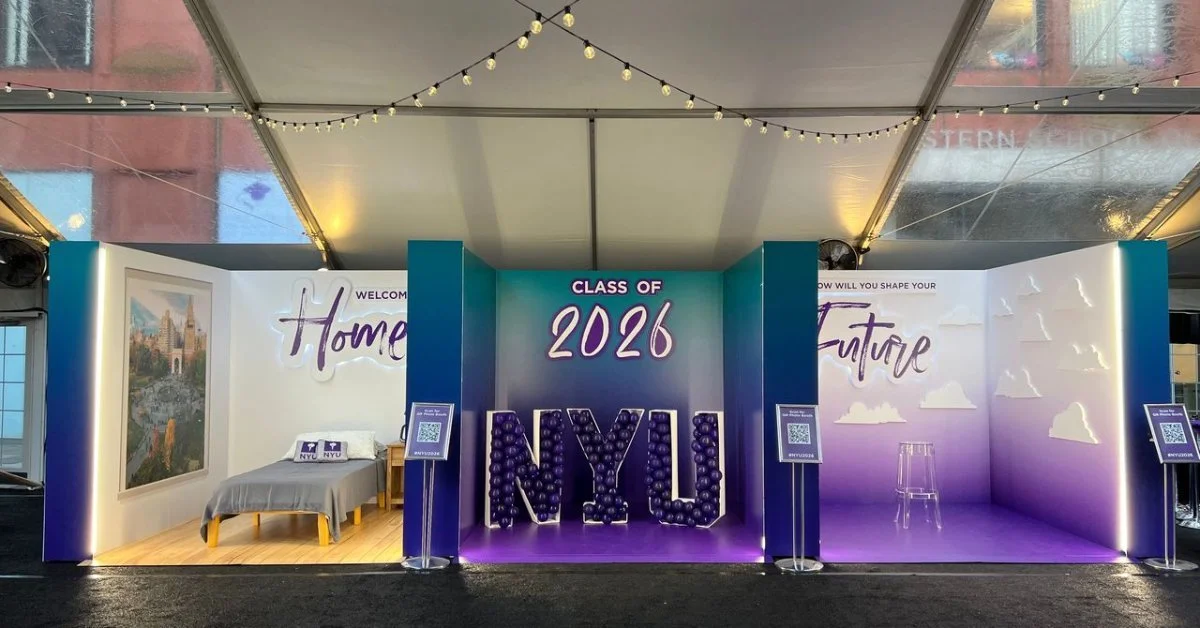
Interactive installations have transformed how student programs engage audiences. Static events no longer hold attention the way they once did. Students expect immersive, hands-on experiences that spark curiosity and encourage participation.
Colleges, universities, and student organizations now look for creative ways to build meaningful connections. Interactive installations offer a powerful solution. They combine entertainment, education, and engagement in one cohesive experience.
Organizations like NYFF Events, known for producing experiential events across a wide range of scales, understand how these installations create memorable moments that resonate long after the event ends.
What Are Interactive Installations in Student Programs?
Interactive installations invite participants to actively engage with an environment or activity. Instead of watching or listening, students become part of the experience.
These installations can include digital displays, hands-on exhibits, immersive environments, or gamified activations. The goal stays consistent. Create participation rather than observation.
Student programs benefit because these experiences naturally draw attention. They also encourage longer engagement times compared to traditional formats.
Why Interactive Experiences Matter for Students
Student audiences value connection and authenticity. Passive programming rarely delivers either.
Interactive installations create shared experiences. Students collaborate, compete, or explore together. This builds stronger social connections and increases overall satisfaction with the event.
Engagement also improves retention. When students actively participate, they remember the experience and the message behind it.
How Interactive Installations Boost Campus Engagement
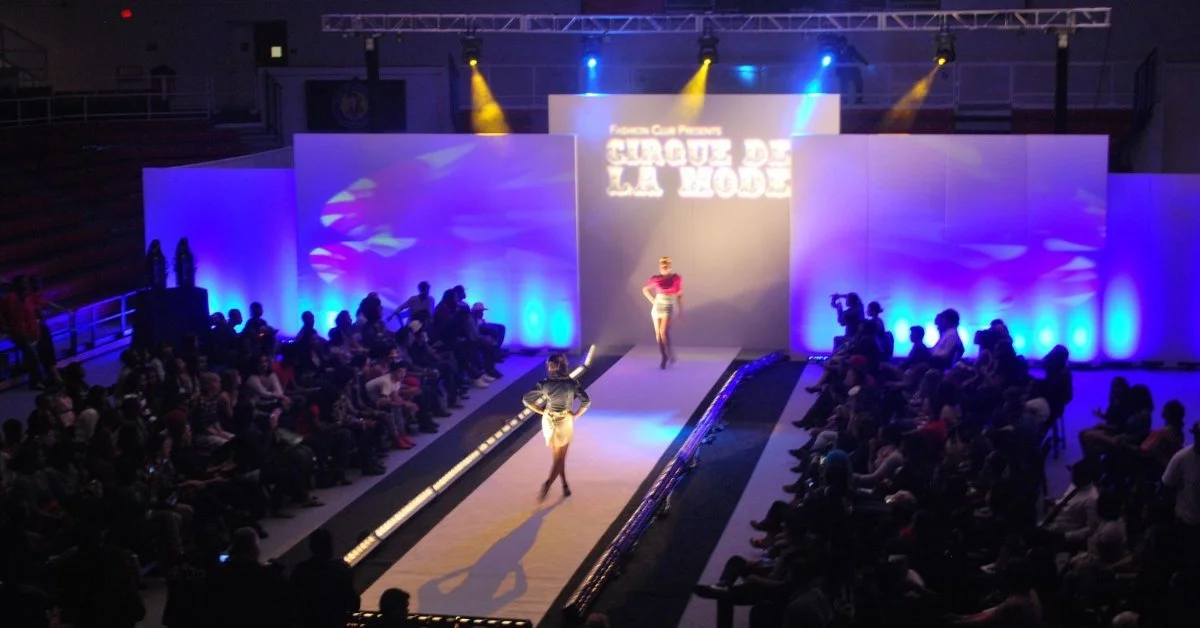
Interactive elements pull students in quickly. They reduce hesitation and make events feel approachable.
When students see others participating, they feel more comfortable joining. This creates a ripple effect that increases overall turnout and energy.
These installations also encourage repeat participation. Students often return to explore different aspects or improve their results in gamified setups.
Types of Interactive Installations That Work Well
Different formats appeal to different audiences. The most effective student programs often combine multiple types.
Here are some popular options:
Immersive projection rooms that respond to movement
Augmented reality experiences tied to campus themes
Interactive art walls where students contribute content
Game-based challenges with leaderboards
Touchscreen exhibits with educational content
Photo and video activations designed for social sharing
Each option creates a different kind of engagement. The best choice depends on the program’s goals.
Aligning Installations With Educational Goals
Interactive does not mean purely entertainment. These installations can support academic and developmental objectives.
Programs can integrate learning outcomes into the experience. For example, sustainability events can include interactive simulations. Career fairs can use gamified skill assessments.
Students engage more deeply when learning feels dynamic. Interactive formats make complex topics easier to understand and more enjoyable to explore.
Designing Experiences for Diverse Student Audiences
Student populations include a wide range of interests, backgrounds, and comfort levels.
Effective installations offer multiple entry points. Some students prefer competitive activities. Others enjoy creative or exploratory experiences.
Accessibility also plays a key role. Installations should accommodate different physical abilities and learning styles. Clear instructions and intuitive design help ensure everyone can participate.
The Role of Technology in Interactive Installations
Technology powers many of today’s most engaging experiences. It allows for real-time feedback, personalization, and adaptability.
However, technology should support the concept, not overshadow it. A simple idea executed well often outperforms a complex system that confuses users.
Reliable equipment and seamless integration remain essential. Technical issues can quickly disrupt engagement and reduce overall impact.
Creating Shareable Moments Through Interaction
Students love to share experiences on social platforms. Interactive installations naturally generate this type of content.
Photo opportunities, branded environments, and real-time outputs encourage sharing. This extends the reach of the program beyond the physical event.
Designers should consider visual appeal from the start. Lighting, layout, and user flow all influence how shareable the experience becomes.
Planning Logistics for Interactive Installations
Successful execution requires careful planning. Interactive elements often involve more setup and coordination than traditional programming.
Key considerations include space requirements, power needs, and staffing. Installations must fit comfortably within the venue while allowing for smooth traffic flow.
Working with an experienced event planning agency can streamline this process. They help anticipate challenges and ensure the installation runs efficiently from start to finish.
Measuring the Success of Interactive Student Programs
Evaluation helps determine whether the installation achieved its goals. Metrics can include participation rates, dwell time, and social engagement.
Feedback from students provides valuable insights. Surveys and informal conversations reveal what worked and what could improve.
Data allows planners to refine future programs. Over time, this leads to more effective and impactful experiences.
Budget Considerations and Scalability
Interactive installations can fit a range of budgets. Smaller programs can use simple, creative concepts. Larger events may incorporate advanced technology and custom builds.
Flexibility remains key. Planners should prioritize elements that deliver the most engagement for the investment.
Companies with broad capabilities, like us here at NYFF Events, often support both small-scale activations and large experiential productions. This versatility helps organizations scale their programs as needs evolve.
Common Challenges and How to Address Them
Interactive installations come with unique challenges. Planning ahead reduces the risk of issues during the event.
One common challenge involves crowd management. High-interest installations can create bottlenecks. Clear signage and staff guidance help maintain flow.
Another challenge involves user understanding. If instructions feel unclear, students may hesitate to participate. Simple, intuitive design solves this problem.
Technical reliability also matters. Backup plans ensure the experience continues even if issues arise.
Future Trends in Interactive Student Programming
Interactive experiences continue to evolve. New technologies and creative approaches expand what is possible.
Artificial intelligence, immersive storytelling, and personalized experiences are becoming more common. These innovations allow programs to adapt in real time to user behavior.
Sustainability also plays a growing role. Reusable installations and energy-efficient designs align with student values.
The focus remains consistent. Create meaningful, engaging experiences that bring students together.
How to Get Started With Interactive Installations
Starting with a clear objective sets the foundation. Planners should define what they want students to gain from the experience.
Next, identify the audience and environment. Consider the size of the event, available space, and student preferences.
Collaborating with experienced partners helps bring ideas to life. Execution requires both creative vision and logistical expertise.
Most importantly, focus on engagement. When students feel involved, the installation succeeds.
Bringing Student Programs to Life Through Interaction
Interactive installations have reshaped student programming. They create energy, encourage participation, and leave lasting impressions.
Students no longer want to sit on the sidelines. They want to explore, create, and connect.
By integrating interactive elements, organizations can deliver programs that feel relevant and exciting. The result is stronger engagement and more meaningful experiences across campus.