

Top Corporate Event Entertainment Ideas To Engage Guests
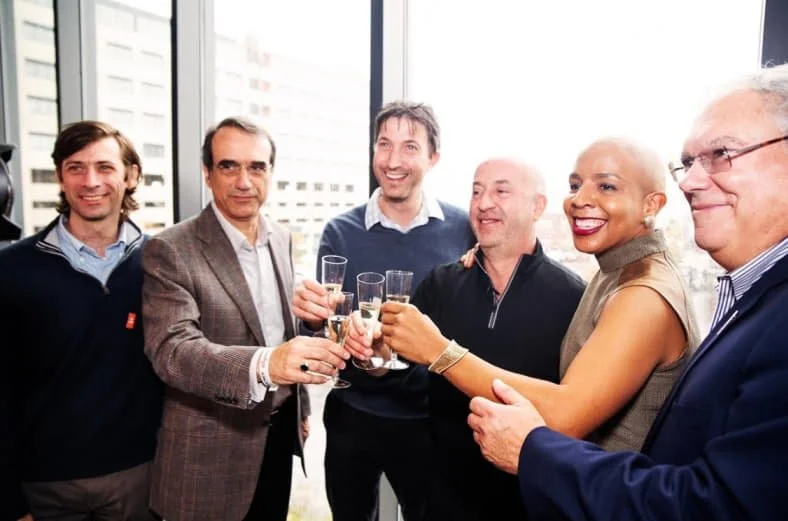
Corporate events work best when guests have something meaningful to experience, not just a schedule to follow. The right entertainment can spark conversations, create memorable moments, and give attendees a reason to participate instead of watching from the sidelines.
Corporate event entertainment should complement the event’s purpose, suit the audience, and encourage the type of interaction you want guests to have.
Whether you’re organizing an employee celebration, conference, product launch, networking event, or client appreciation party, these corporate event entertainment ideas can help you create an experience that keeps guests interested from arrival to departure.
1. Bring Energy to the Event With Live Music
Live music can establish the mood as soon as guests enter the space. A solo musician or acoustic group can support a relaxed cocktail hour, while a full band can turn an evening celebration into a high energy party.
Consider the event schedule before selecting a musical act. Loud music can interfere with networking or conversation, so save energetic performances for moments when you want everyone’s attention. For receptions and dinners, lower volume performances can provide atmosphere without overwhelming the room.
Music can also reinforce an event theme. A carefully selected genre, performance style, or set list helps the entertainment feel connected to the larger experience.
2. Encourage Friendly Competition With Interactive Games
Games give guests an easy way to connect, especially when attendees do not already know one another. Friendly competition can break down social barriers and make networking feel less formal.
Consider arcade games, sports challenges, trivia, game shows, carnival style attractions, or team competitions. Match the difficulty and pace to your audience so guests can participate without needing lengthy instructions.
You can also organize games around departments, tables, or randomly selected teams. That approach encourages people to interact with attendees outside their usual professional circles.
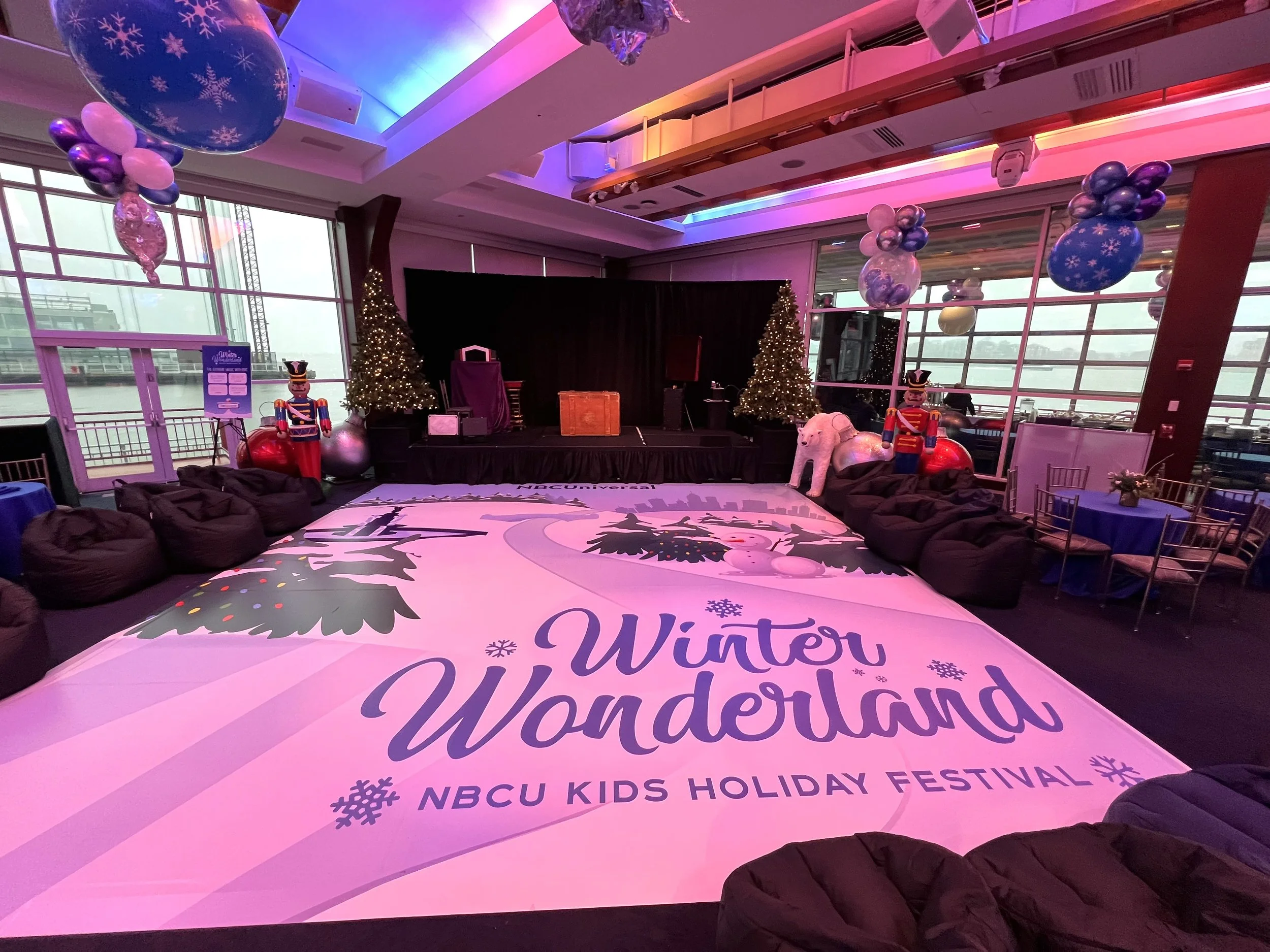
3. Create Immersive Experiences With Virtual Reality
Virtual reality can turn a small section of an event into an entirely different environment. Guests might explore a virtual destination, compete in a game, experience a simulation, or enter a branded digital world.
VR works particularly well when organizers want to create short, memorable interactions throughout an event. Instead of asking every attendee to participate at once, guests can visit the activation between other activities.
The experience should remain simple enough for first time users. Clear instructions and event staff can keep the line moving and help guests feel comfortable trying the technology.
4. Give Guests a Reason To Visit a Photo Booth
Photo booths continue to work well at corporate events because they combine entertainment with a takeaway. Guests can step away from the main event, interact with colleagues, and capture a moment they can share afterward.
Modern photo experiences can go far beyond a basic backdrop. Organizers can incorporate themed sets, digital effects, branded graphics, GIFs, or interactive features that complement the event.
A photo activation can also support a company’s visual identity without making the experience feel like an advertisement. Thoughtful branding keeps the company visible while letting the entertainment remain the focus.
5. Surprise Attendees With Specialty Performers
Unexpected performances can create memorable transitions throughout an event. Instead of placing all entertainment on a central stage, consider performers who interact with attendees or appear at strategic moments.
Depending on the event’s atmosphere, options can include magicians, dancers, roaming musicians, circus performers, mentalists, or other specialty acts. Choose performers who fit both the audience and venue.
Timing matters as much as the act itself. A short surprise performance can reset the room after a long presentation, energize a reception, or create a natural transition into the next part of the program.
6. Turn Networking Into an Interactive Experience
Traditional networking can feel uncomfortable when guests have few natural conversation starters. Entertainment can solve that problem by giving attendees something to do together.
Interactive stations, collaborative games, trivia, and creative challenges encourage organic conversations. Guests can focus on a shared activity rather than immediately finding something to discuss.
For example, organizers might create several entertainment zones throughout a reception. Guests can move between activities, meet different people, and experience the venue at their own pace.
7. Let Guests Participate in Creative Activities
Not every corporate event needs high energy entertainment. Hands on creative activities can provide a welcome alternative, particularly during conferences, employee events, or longer programs.
Possible activities include:
Collaborative art installations
Custom merchandise stations
Craft or design experiences
Digital drawing stations
Personalized keepsake creation
Group building challenges
These experiences give guests control over their participation. Someone can spend several minutes creating something while another attendee can simply watch or move to another attraction.
8. Use Game Show Entertainment To Involve the Crowd
A live game show can transform attendees from spectators into participants. Trivia competitions, survey style games, and other familiar formats can create energy without requiring complicated rules.
Organizers can customize questions around the company, industry, conference topic, or event theme. However, the questions should remain accessible enough for broad participation.
A strong host can make a significant difference. The host keeps the pace moving, encourages audience participation, and creates excitement even among guests who never take the stage.
9. Add a Casino Experience Without Centering the Event on Gambling
Casino style entertainment can give guests structured opportunities to socialize and compete without making real money the focus. Tables and professional dealers can create the atmosphere of a casino while guests play with event currency or points.
This format works well for open receptions because people can join or leave games throughout the evening. Guests do not need to commit to a long activity.
Organizers can also combine casino tables with other attractions. Multiple entertainment choices allow guests with different interests and comfort levels to find something they enjoy.
10. Use Branded Activations To Connect Entertainment and Marketing
Product launches, conferences, and experiential marketing events often need entertainment that supports a broader brand message. Interactive activations can accomplish both goals when organizers prioritize the guest experience.
Instead of placing a logo on every surface, connect the activity to the brand’s personality, product, or campaign. A technology company might use an interactive digital experience, while an athletic brand might create a physical challenge.
Companies that provide live entertainment services can also help coordinate entertainment with staging, production, guest flow, and other event elements so each component contributes to a cohesive experience.
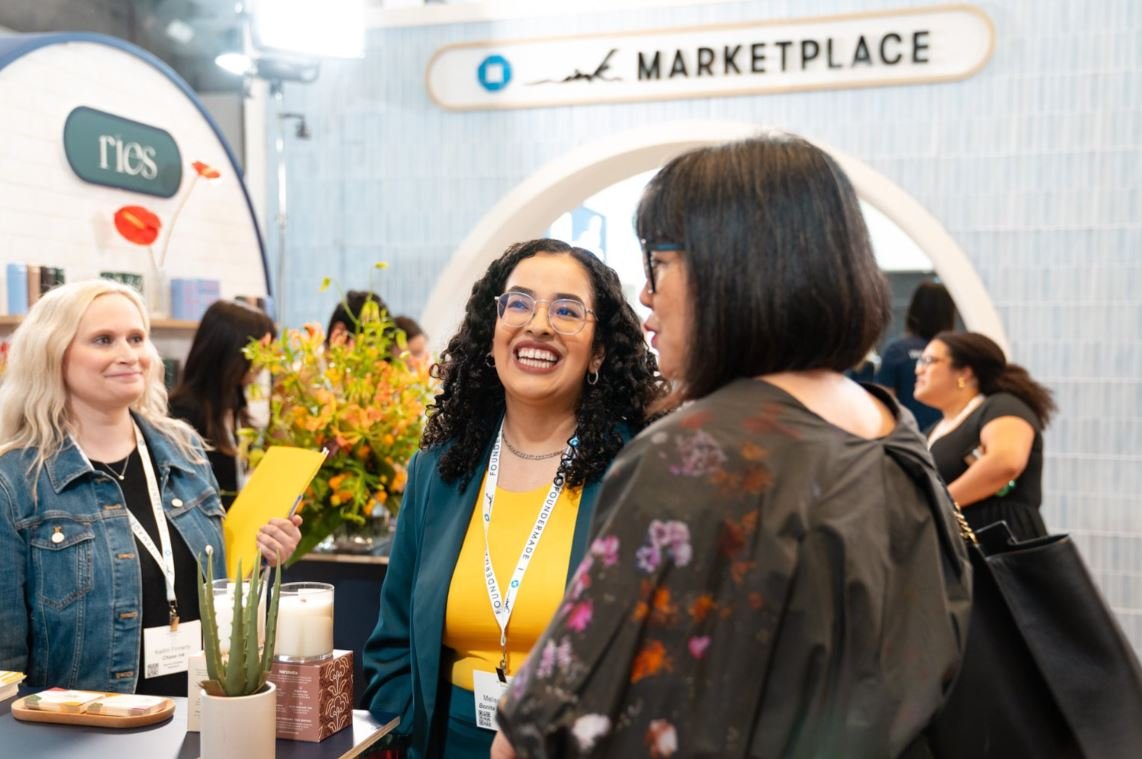
11. Make Food and Beverage Part of the Entertainment
Food can become an activity rather than simply a meal. Interactive food stations, live cooking demonstrations, custom dessert experiences, and creative beverage presentations can draw guests together throughout the event.
These stations work particularly well during receptions because they naturally encourage movement. Guests can explore the room instead of remaining at one table for the entire evening.
Keep service speed in mind when planning interactive food experiences. An entertaining station loses its appeal if guests spend most of their time waiting in line.
12. Create Lounge Areas That Support Social Entertainment
Constant activity can exhaust guests, especially during long conferences or multi hour corporate events. Lounge spaces provide places where attendees can recharge while still participating in the social experience.
Comfortable seating, lower music levels, charging stations, and smaller entertainment features can make these areas useful without isolating guests from the event. A lounge can also support more meaningful conversations than a crowded dance floor or busy networking area.
Position these spaces strategically so attendees can easily move between high energy attractions and quieter areas.
Create Corporate Entertainment Guests Want To Join
Successful corporate entertainment gives guests opportunities to participate on their own terms. Some attendees will jump into a competition immediately, while others may prefer live music, a creative station, or a comfortable place to socialize.
Variety, thoughtful placement, and a clear connection to the event’s purpose can help organizers engage a wider range of attendees. When every entertainment choice contributes to the atmosphere and guest experience, the event feels cohesive rather than crowded with unrelated activities.