

12 Questions You Should Ask Your Tent Vendor
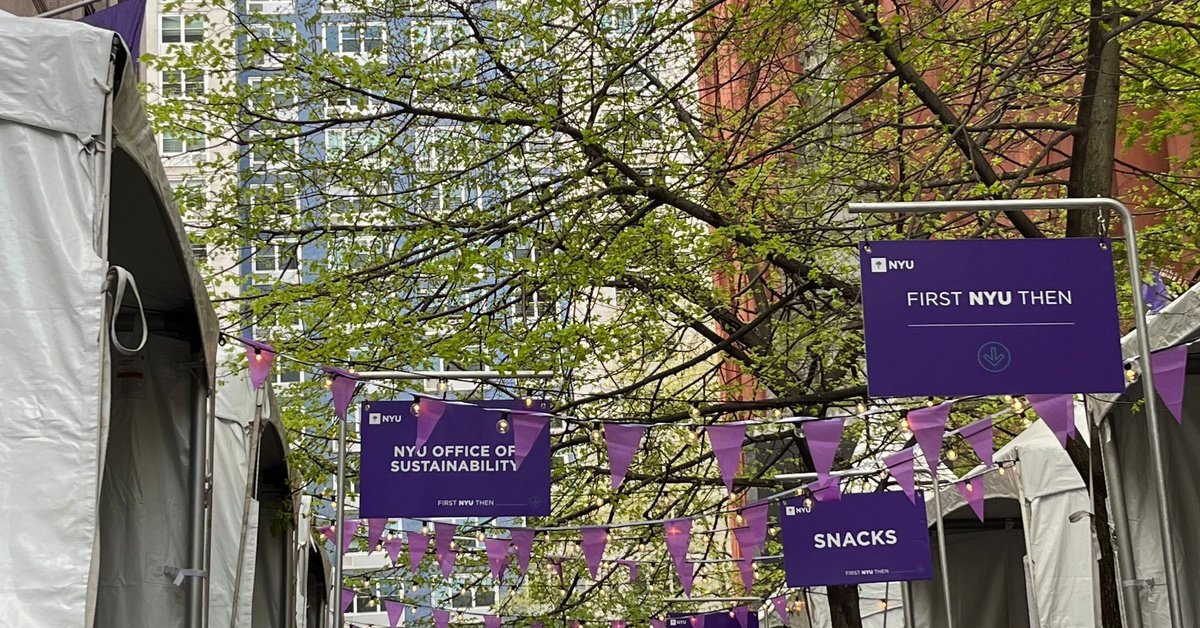
A tent can completely change how an outdoor event looks, feels, and functions. It can create an elegant reception space, protect guests from the elements, support event branding, or turn an open area into a fully developed venue. However, getting the right tent involves much more than choosing a size and scheduling delivery.
Your tent vendor can play an important role in everything from site planning to installation. Asking detailed questions early helps you understand exactly what the vendor provides and what your team still needs to arrange. Before you commit to a tent for a corporate event, campus program, gala, festival, or private celebration, make sure you cover the following topics.
1. What Tent Size Do You Recommend for My Event?
You may have a rough idea of the square footage you need, but guest count alone does not determine the right tent size. Your floor plan also needs to accommodate tables, chairs, bars, stages, catering stations, entertainment, walkways, and other event features.
Explain your complete event plan to the vendor instead of simply requesting a tent for a certain number of people. An experienced vendor can help determine how much space each component requires. That conversation can prevent you from choosing a tent that technically accommodates your guests but feels crowded once everything arrives.
2. Which Type of Tent Works Best for the Site?
Different tent styles work better for different environments and event plans. The available space, ground surface, desired appearance, weather conditions, and interior layout can all influence your options.
Ask the vendor why they recommend a particular tent rather than focusing only on its appearance. Understanding the practical reasons behind the recommendation helps you make an informed decision. A tent that works well on a large grass field may not offer the same advantages in a paved parking lot or another restricted installation area.
3. Can You Inspect the Event Site Before Installation?
A site visit can reveal issues that photos and measurements might miss. Slopes, landscaping, overhead obstacles, underground utilities, access points, and nearby structures can affect where crews place the tent and how they install it.
Ask whether your vendor conducts site inspections and what information they need beforehand. If an in person visit does not make sense for your event, find out what measurements, photographs, plans, or venue details will help them evaluate the location. Thorough preparation reduces surprises when installation day arrives.
4. What Does the Tent Rental Include?
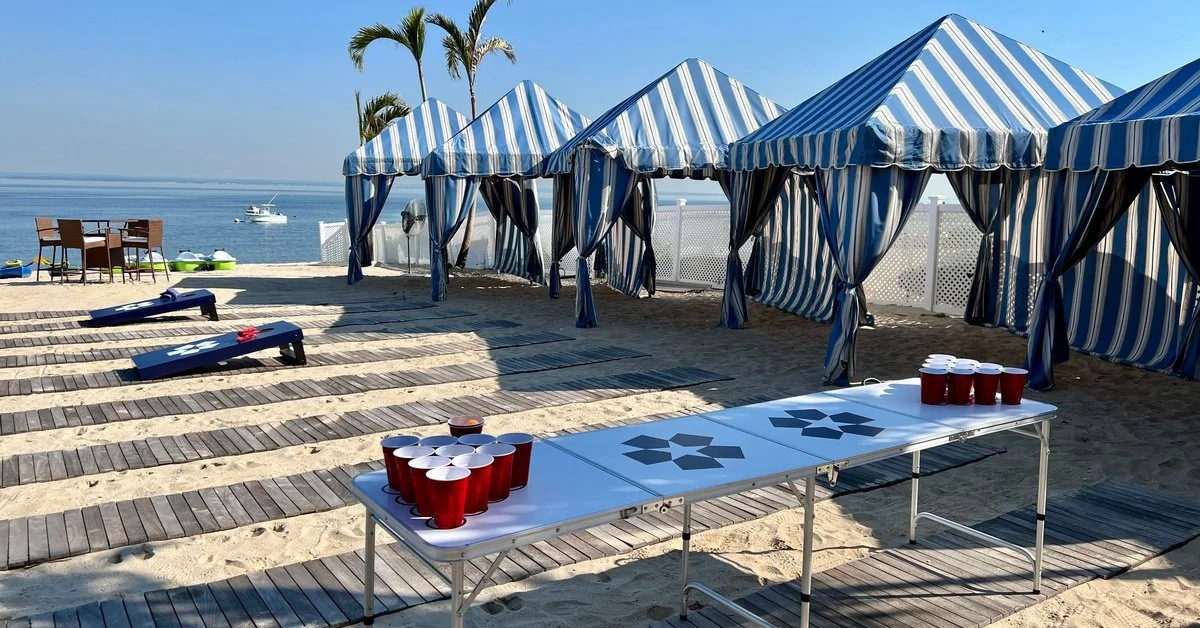
Never assume that every item shown with a tent comes with the rental. Ask your vendor to explain exactly what the quoted package includes so you can build an accurate event plan and budget.
Depending on the provider and event, party tent rentals may involve the tent structure as well as optional flooring, sidewalls, lighting, climate control, furniture, or other equipment. Knowing what comes standard and what costs extra makes it easier to compare proposals. It also helps prevent last minute additions when your team realizes an essential feature never made it into the original order.
5. How Will You Secure the Tent?
Tent installation depends heavily on the event site. Grass, asphalt, concrete, and other surfaces can require different approaches, and the surrounding area may create additional limitations.
Ask the vendor how they plan to secure the specific tent at your location. You should also discuss underground utilities, irrigation systems, pavement restrictions, or other site concerns before installation begins. The venue may have its own rules about staking or equipment placement, so bring those requirements into the conversation early.
6. What Should We Know About Permits and Venue Requirements?
Large temporary structures may come with local requirements, while venues can establish additional rules for tent installations on their property. Your vendor should explain what responsibilities fall within their scope and which tasks remain with you, the venue, or another event partner.
Ask about documentation early rather than waiting until installation approaches. Your event team should know who handles permits when applicable, who communicates with the venue, and whether the site requires specific approvals. Clear responsibilities keep important administrative details from falling through the cracks.
7. What Happens if the Weather Changes?
Weather ranks among the biggest variables for any outdoor event. Rain may come to mind first, but wind, heat, cold, and changing ground conditions can also influence a tented event.
Ask your vendor how weather could affect installation and event operations. Find out what conditions might require changes to the plan and how the vendor communicates weather related decisions. A clear process gives your team time to coordinate with the venue, caterers, entertainment providers, and guests when conditions change.
8. Can You Provide Flooring, Sidewalls, Lighting, and Climate Control?
The tent itself creates the structure, but additional elements can make the space more comfortable and functional. Flooring can create a more finished environment, while sidewalls may provide additional coverage. Lighting allows the event to continue after sunset and can help establish the desired atmosphere.
Temperature also deserves attention. Depending on the season and location, your plan may require fans, heaters, or another climate solution. Ask what your tent vendor can provide directly and what you will need to source elsewhere.
9. How Much Installation Space Do You Need?
The tent footprint does not always represent the total amount of space required for installation. Crews may need additional room around the structure for anchoring, equipment, vehicles, and safe working areas.
Ask for the complete space requirements before finalizing your site plan. This information becomes especially important at venues with buildings, fences, landscaping, parking areas, or other structures nearby. Your vendor should understand the available installation area, not simply the dimensions of the tent you want.

10. When Will Installation and Removal Take Place?
Tent installation needs to fit within a much larger event production schedule. Caterers, decorators, audiovisual teams, furniture providers, entertainers, and other vendors may all need access to the same space.
Ask your tent vendor for a realistic installation and removal schedule. Confirm when the tent will become available for other teams and when everything must leave the property after the event. Sharing that timeline with everyone involved can reduce congestion and help each crew work efficiently.
11. How Can We Make the Tent Fit Our Event Design?
A tent does not need to feel like a generic temporary structure. The right layout and design choices can help it support the overall event concept.
Talk with your vendor about your visual goals from the beginning. Depending on the event, you might consider:
Lighting that establishes the desired mood
Flooring that creates a polished foundation
Draping or decor that complements the event theme
Furniture arrangements that encourage conversation
Branded elements that reinforce a corporate identity
Strategic layouts that highlight stages or focal points
Design conversations should also consider practical needs. An attractive space still needs comfortable pathways, accessible service areas, and enough room for guests to move naturally.
12. How Will Guests Enter and Move Through the Tent?
Guest flow can have a major effect on the event experience. A poorly placed entrance can create congestion, while an inefficient layout can make bars, food stations, restrooms, and entertainment areas harder to reach.
Discuss entrances, exits, aisles, and major activity areas with your vendor while developing the floor plan. Think about how guests will arrive and where they will naturally go next. You should also consider how staff and vendors will move through the space without interfering with guest traffic.
Ask Detailed Questions Before Your Event Takes Shape
Choosing a tent vendor requires the vendor to understand your site, schedule, guest experience, design plans, and operational requirements.
Start these conversations early and share as much information as possible. Ask specific questions about the structure, installation process, weather planning, accessories, scheduling, and costs. Clear communication gives everyone a stronger foundation for planning an outdoor event that looks polished and functions smoothly from setup through breakdown.