

Key Elements of Successful Company Conferences
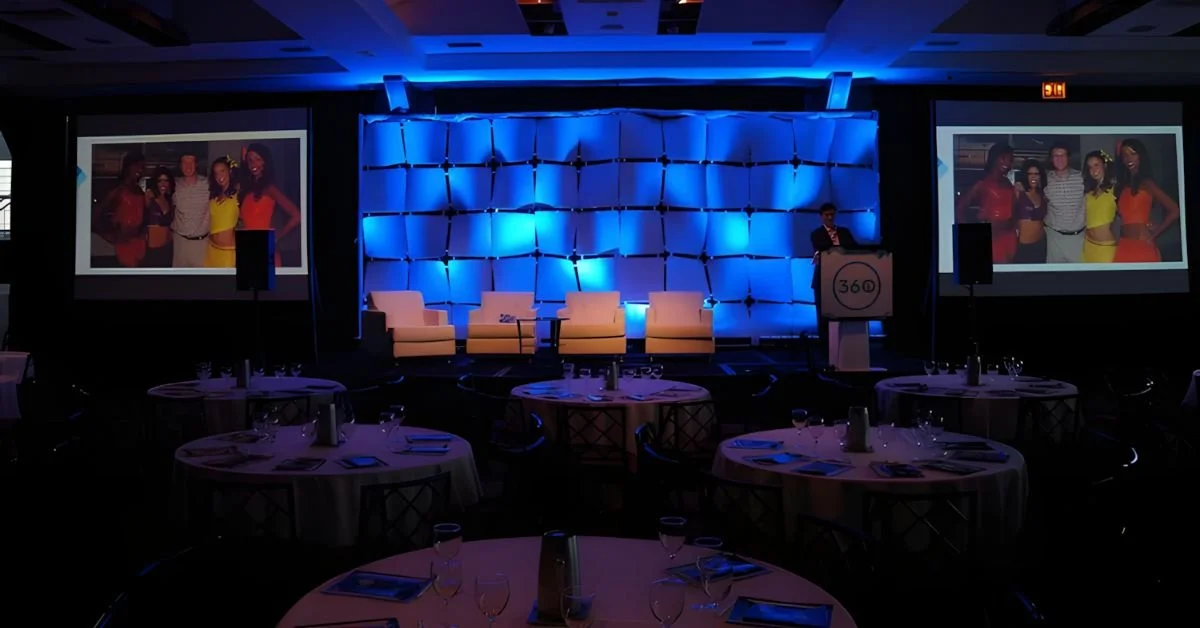
Company conferences shape how organizations communicate, connect, and grow. A well-executed conference delivers more than information. It creates engagement, strengthens relationships, and reinforces brand identity in a meaningful way. When companies understand what drives success, they can design events that leave a lasting impact.
NYFF Events brings a wide range of capabilities to corporate conferences, supporting everything from smaller gatherings to large-scale productions. That flexibility reflects what modern conferences require: thoughtful planning, creative execution, and attention to detail.
Below are the key elements that define successful company conferences.
Clear Objectives Guide the Entire Event
Every successful conference starts with a defined purpose. Teams need to know exactly what they want to accomplish before making any decisions.
Some conferences focus on education, while others aim to strengthen relationships or launch new initiatives. When planners establish clear goals early, they create a roadmap for the entire event. Every decision, from content to venue, aligns with those objectives.
Without clear direction, events can feel scattered and ineffective. Strong goals keep everything focused and intentional.
Audience Insight Shapes the Experience
Understanding the audience plays a critical role in conference success. Corporate attendees often include executives, brand leaders, and agency professionals who expect a polished experience.
Planners need to consider how much attendees already know and what they expect to gain. Some audiences prefer high-level insights, while others want detailed, actionable takeaways. When the content matches expectations, engagement increases naturally.
Events that feel tailored to the audience create stronger connections and better outcomes.
A Well-Structured Agenda Maintains Energy
A thoughtful agenda keeps attendees engaged from start to finish. Conferences that feel rushed or overloaded quickly lose momentum.
Strong agendas create a natural flow between sessions. They balance educational content with time for networking and breaks. Attendees need space to absorb information and connect with others.
Pacing matters just as much as content. When sessions build on each other and stay focused, the entire event feels more cohesive.
High-Quality Content Delivers Real Value
Content remains the foundation of any conference. Attendees invest time to learn something meaningful, so the material needs to deliver.
Successful conference content addresses real challenges and provides useful insights. Speakers should communicate clearly and avoid unnecessary complexity. Simple, direct messaging often resonates more than overly technical presentations. When content feels relevant and actionable, attendees stay engaged and leave with value.
The Right Venue Sets Expectations
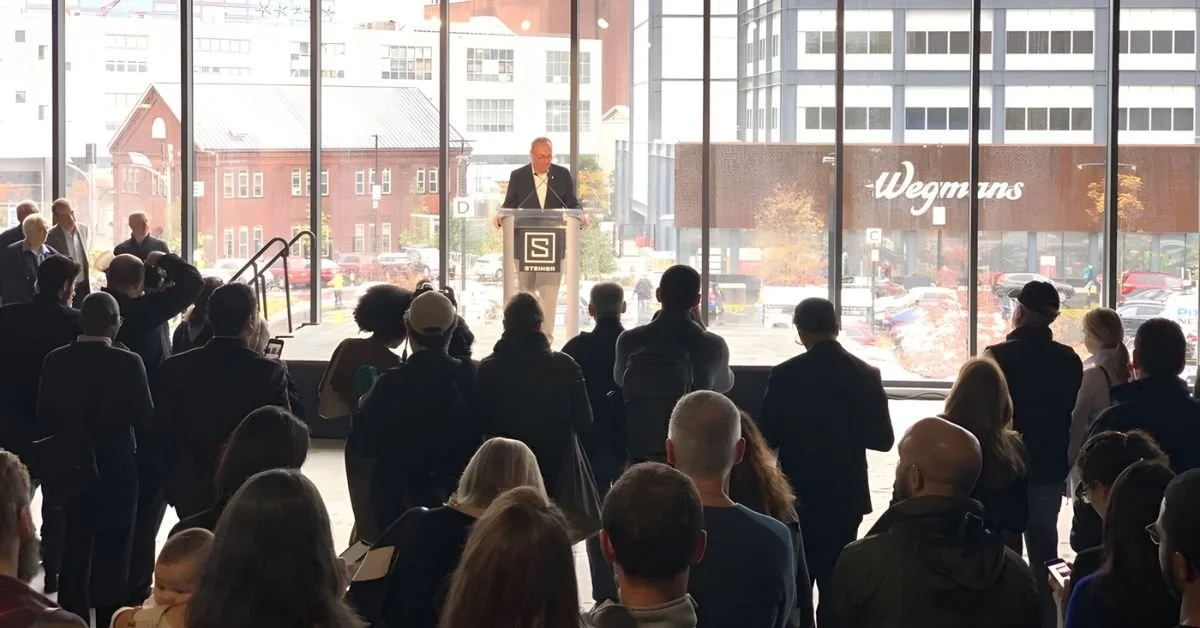
The venue influences how attendees experience the event from the moment they arrive. It sets the tone and supports the overall flow.
Location plays a major role in accessibility and convenience. Inside the venue, layout matters just as much. Spaces need to accommodate presentations, networking, and movement between sessions.
In some cases, planners expand their setup by incorporating outdoor elements or tents for rent. This approach allows for flexibility while maintaining a cohesive environment. The right venue supports both comfort and functionality.
Professional Production Enhances Every Moment
Production quality has a direct impact on how attendees experience the conference. Clear audio, strong visuals, and effective lighting all contribute to engagement.
When attendees can hear speakers clearly and see presentations without distraction, they stay focused. Lighting helps direct attention and creates the right atmosphere for different moments throughout the event.
High-quality production makes the experience feel seamless. It allows the content to take center stage without technical interruptions.
Logistics Keep Everything Running Smoothly
Behind every successful conference, strong logistics ensure that everything stays on track. Planning must cover every detail, from registration to scheduling.
Efficient check-in processes help attendees start their experience without frustration. Clear schedules prevent confusion and keep sessions running on time. Transportation and accommodations also need coordination, especially for larger events.
When logistics run smoothly, attendees can focus on the experience instead of worrying about details.
Technology Supports Engagement and Efficiency
Technology plays an important role in modern conferences. It enhances both the attendee experience and event management.
Event apps allow attendees to access schedules, updates, and session details in real time. Interactive features such as live polling and Q and A sessions encourage participation. Digital tools also streamline registration and communication.
The key is to keep technology simple and intuitive. When tools feel easy to use, they add value without creating distractions.
Networking Opportunities Create Meaningful Connections
Networking often serves as one of the main reasons people attend conferences. Attendees want opportunities to connect with peers, partners, and industry leaders.
Planners should create spaces and moments that encourage interaction. Structured sessions can guide conversations, while informal areas allow for more relaxed connections. Social events also provide valuable opportunities to build relationships.
When networking feels natural and intentional, attendees gain more from the experience.
Consistent Branding Strengthens Identity
Branding should appear in every aspect of the conference. A consistent visual and messaging approach reinforces the company’s identity.
From signage to stage design, every element should reflect the brand. Messaging should also stay aligned across presentations and materials. Even the tone of communication contributes to the overall impression.
Consistency builds trust and recognition. It helps attendees connect the experience with the brand in a meaningful way.
Hospitality Shapes the Attendee Experience
Hospitality plays a larger role than many teams expect. Food, service, and overall comfort all influence how attendees feel about the event.
Quality catering shows attention to detail. Offering a range of options ensures that attendees with different preferences feel included. Timely service keeps the schedule on track and prevents delays.
Comfort also matters. Clear directions, helpful staff, and welcoming environments all contribute to a positive experience.
Flexibility Keeps the Event on Track
Even the most detailed plans require adjustments. Successful conferences build flexibility into their approach.
Unexpected changes can include schedule shifts, technical challenges, or attendance variations. A responsive team can adapt quickly and keep the event moving forward without disruption.
Flexibility ensures that challenges do not negatively impact the overall experience.
A Strong On-Site Team Brings the Event to Life
Execution depends on the team managing the event in real time. A well-prepared team ensures that everything runs smoothly from start to finish.
Clear roles and responsibilities help avoid confusion. Strong communication allows team members to respond quickly to any issues. When everyone understands their role, the event operates efficiently.
Attendees notice when an event feels organized and professional. A strong team makes that possible.
Post-Event Evaluation Drives Future Success
The end of the conference marks the beginning of the evaluation process. Teams need to review what worked and what needs improvement.
Feedback from attendees provides valuable insight into their experience. Internal discussions help identify strengths and areas for growth. Metrics such as attendance and engagement also offer important data.
Continuous improvement leads to better conferences over time. Each event builds on the success of the last.
Creativity Enhances Engagement When Used Thoughtfully
Creative elements help conferences stand out. Unique designs, interactive features, and themed experiences capture attention and create memorable moments.
However, creativity must align with practical execution. Ideas need to fit within the event’s goals and resources. When creativity supports the overall experience, it adds value without creating complications.
Balance helps make sure that innovation enhances the event instead of overwhelming it.
Bringing It All Together
Successful company conferences rely on a combination of strategy, execution, and audience understanding. Each element plays a role in shaping the overall experience.
Clear objectives provide direction. Strong content and production create engagement. Logistics and execution ensure everything runs smoothly. When these elements align, the conference delivers meaningful results.
Organizations that focus on these fundamentals create events that resonate with attendees and support long-term goals.
Overall Conference Success
Company conferences continue to evolve as expectations grow. Attendees want engaging, well-organized experiences that feel intentional and valuable.
Teams that prioritize planning, audience experience, and execution consistently deliver stronger results. They create conferences that leave a lasting impression and encourage future participation.
Focusing on these key elements helps companies build conferences that truly succeed.