

How Sound Design Shapes Social Experiences
Sound does more than fill silence. It directs attention, sets emotional tone, and influences how people connect in shared spaces. In social and corporate events, sound design acts as a powerful tool that shapes perception from the moment guests arrive.
Event organizers often focus on visuals first, yet sound determines how people feel, move, and interact. When executed with intention, it transforms a standard gathering into a memorable experience that resonates long after it ends.
Why Sound Design Matters in Social Environments
Sound design impacts how people interpret their surroundings. Music, ambient noise, and audio cues all guide behavior without requiring explanation.
Guests react instinctively to sound. A well-curated audio environment encourages conversation, builds energy, and supports the event’s purpose. Without thoughtful sound design, even visually stunning events can feel disconnected or flat.
How Sound Influences First Impressions
The first few moments of an event set expectations. Sound plays a key role in shaping that initial perception.
Guests often hear an event before they fully see it. A welcoming soundtrack or subtle ambient layer signals professionalism and intention. Harsh or inconsistent audio, on the other hand, creates confusion and discomfort.
Creating Emotional Connection Through Audio
Sound triggers emotional responses faster than most other elements. Music selection, tone, and pacing all influence how guests feel in real time.
Event planners use sound to align emotions with the event’s purpose. A corporate gathering may benefit from polished, understated audio, while a celebratory event may require high energy soundscapes that encourage engagement.
The Role of Music in Social Interaction
Music shapes how people interact with each other. It sets the rhythm of conversation and movement throughout an event.
When volume and tempo align with the environment, guests feel comfortable connecting. If music overpowers the space, conversations become strained. If it lacks presence, the atmosphere can feel empty.
Designing Sound for Different Event Zones
Events often include multiple spaces with different purposes. Each zone requires a tailored sound approach.
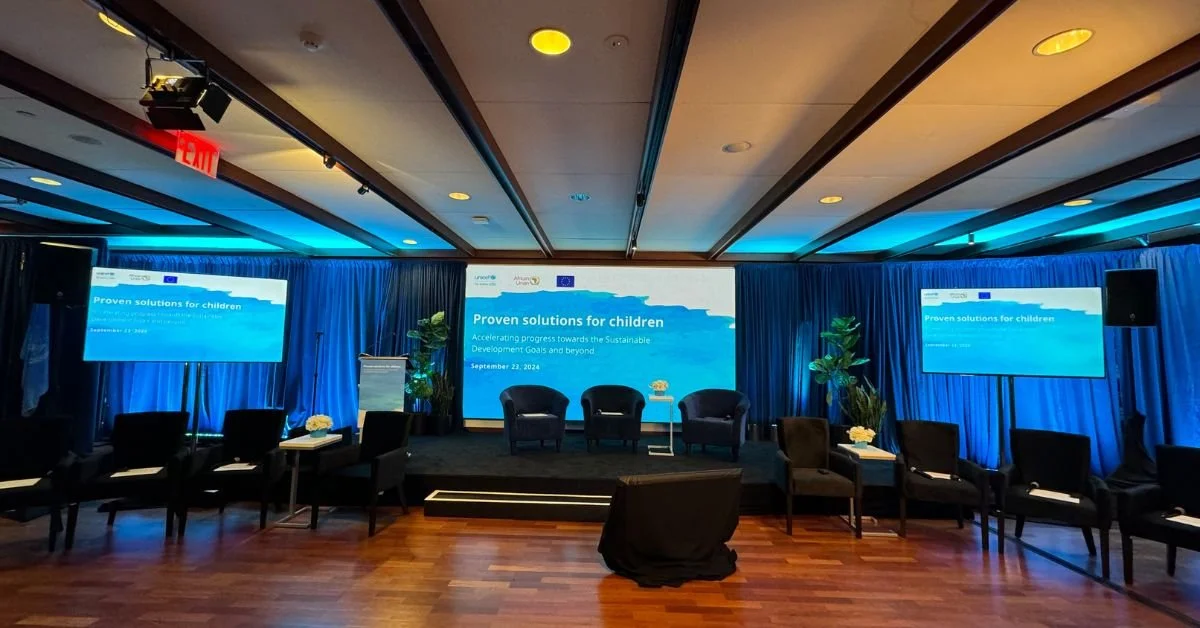
A networking area benefits from low, unobtrusive audio that supports conversation. A main stage requires clear, focused sound that captures attention. Transitional spaces need subtle cues that guide movement without overwhelming guests.
Balancing Energy Levels Throughout the Event
Sound design helps control the flow of energy. Events rarely maintain a single tone from start to finish.
Planners can gradually build momentum through music and audio cues. They can also create intentional pauses or quieter moments that allow guests to recharge. This balance keeps attendees engaged without fatigue.
Supporting Brand Identity Through Sound
Sound contributes to brand perception just as much as visuals. Every audio choice communicates something about the organization hosting the event.
Consistent sound design reinforces brand values. A modern brand may lean into clean, minimal audio, while a bold brand may use dynamic, high impact soundscapes. These decisions shape how guests remember the experience.
Integrating Live Musical Elements
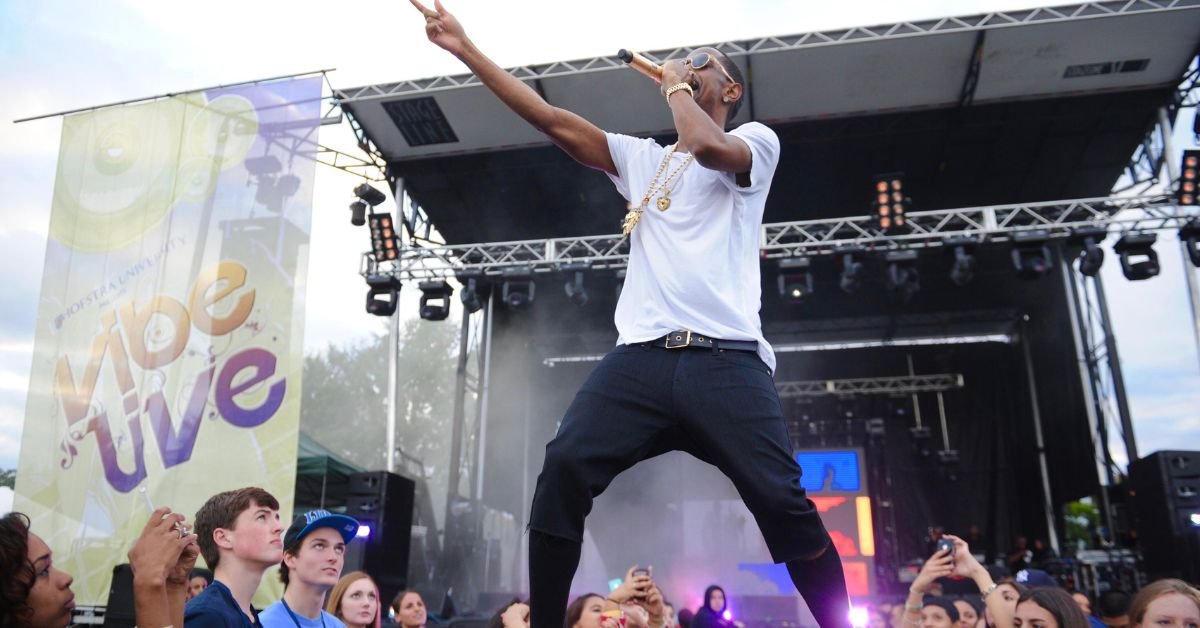
Incorporating live musical acts adds a dynamic layer that recorded audio cannot replicate. Live performances create a sense of immediacy and authenticity.
Guests often respond more strongly to live sound. It encourages participation and creates memorable moments that feel unique to the event. When integrated thoughtfully, it elevates the entire experience without overwhelming other elements.
Managing Acoustics in Event Spaces
Every venue presents different acoustic challenges. Hard surfaces can cause echoes, while large open areas can dilute sound.
Effective sound design accounts for these variables. Strategic speaker placement, sound absorption techniques, and professional equipment all contribute to clarity. Without this attention, even high-quality audio can lose its impact.
Using Sound to Guide Guest Behavior
Sound can subtly direct how guests move and interact. Audio cues signal transitions, highlight key moments, and maintain flow.
For example, a shift in music can indicate the start of a presentation. A gradual increase in volume can draw attention to a focal point. These cues reduce the need for constant verbal direction.
Avoiding Common Sound Design Mistakes
Many events struggle with sound because planners treat it as an afterthought. Addressing common pitfalls improves overall experience quality.
Overly loud music that disrupts conversation
Inconsistent volume levels across different areas
Poor microphone quality during presentations
Lack of coordination between audio and event timing
Ignoring venue acoustics during planning
Each of these issues can undermine guest comfort and engagement. Addressing them early ensures a smoother experience.
The Technical Side of Sound Execution
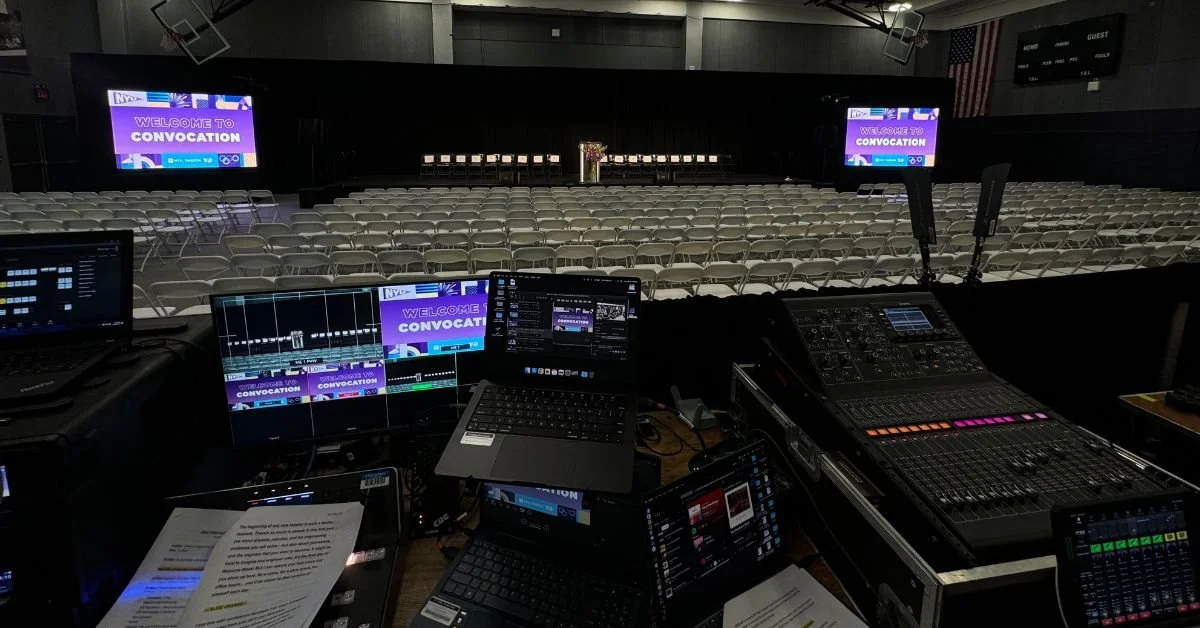
Sound design requires both creativity and technical expertise. Equipment selection, setup, and management all influence results.
Professional teams understand how to calibrate systems for specific environments. They ensure consistent quality across all areas of the event. This level of execution supports the broader experiential goals that clients expect from a capable event partner.
Enhancing Engagement Through Layered Sound
Layered sound design creates depth within an event environment. Combining music, ambient effects, and live audio produces a more immersive experience.
This approach keeps guests engaged on multiple levels. It prevents monotony and allows the atmosphere to evolve naturally throughout the event.
Aligning Sound With Event Objectives
Every event serves a purpose. Sound design should support that goal rather than distract from it.
Corporate events often require clarity and professionalism. Social gatherings may prioritize energy and interaction. Understanding the objective allows planners to make intentional audio choices that reinforce outcomes.
The Connection Between Sound and Memory
Sound plays a major role in how people remember experiences. Certain songs or audio cues can trigger vivid recollections long after the event ends.
When sound design aligns with key moments, it strengthens those memories. Guests leave with a clearer impression of the event and the brand behind it.
Collaborating With Event Production Experts
Sound design works best when integrated into the overall event strategy. Collaboration ensures consistency across all elements.
Experienced event production teams bring both creative vision and technical knowledge. They understand how sound interacts with lighting, staging, and spatial design. This holistic approach leads to more cohesive and impactful experiences.
NYFF Events operates with this kind of versatility, delivering both small scale gatherings and large corporate productions with a focus on experiential quality. Our approach reflects the importance of aligning every detail, including sound, with the broader event vision.
Sound Design in Social Experiences
Sound design shapes how people feel, connect, and remember events. It influences everything from first impressions to lasting impact.
Event planners who prioritize sound create more engaging and effective experiences. They recognize that audio does more than support an event. It defines it.
When sound aligns with purpose, environment, and audience, it transforms gatherings into meaningful social experiences that resonate long after the final moment.