

Why Guest Flow Matters More Than You Think
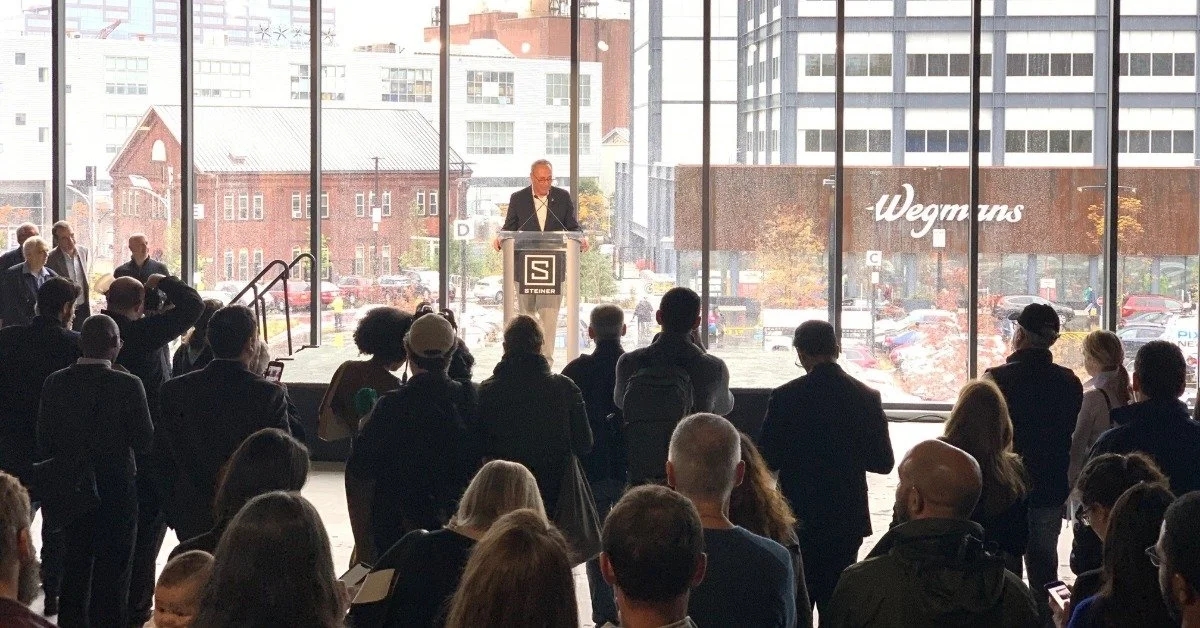
Every attendee experiences an event through movement. From arrival and check in to networking, dining, presentations, and departure, guests constantly interact with the space around them. When those transitions feel effortless, the event feels organized, professional, and enjoyable.
Guest flow refers to how people move throughout an event. It influences comfort, safety, engagement, and the overall impression guests take home. Even the most visually stunning event can feel frustrating if attendees encounter long lines, crowded spaces, or confusing layouts.
Whether you plan a corporate conference, university celebration, fundraising gala, or brand activation, understanding guest flow helps create a better experience for everyone involved. Organizers who prioritize movement from the earliest planning stages often avoid common problems while increasing attendee satisfaction.
What Is Guest Flow?
Guest flow describes how attendees move through every stage of an event. It includes physical movement between spaces as well as how people interact with activities, staff, and other guests.
Every event naturally creates movement patterns. Guests enter the venue, find registration, visit exhibits, locate food stations, attend presentations, participate in activities, and eventually leave. Successful event planning anticipates these patterns instead of reacting to problems after they appear.
Thoughtful guest flow makes every transition feel natural. Attendees spend less time wondering where to go and more time enjoying the event itself.
First Impressions Begin Before Guests Enter
Many organizers focus heavily on the main event space while overlooking the arrival experience. In reality, guest flow starts well before attendees walk through the entrance.
Parking, transportation, directional signage, and registration all contribute to first impressions. Guests immediately notice whether the arrival process feels organized or chaotic.
Simple improvements often make a significant difference. Clear directional signs, designated staff members, organized check in stations, and logical entrance layouts reduce stress before the event even begins.
A smooth arrival also creates positive momentum that carries throughout the rest of the experience.
Registration Sets the Tone
Registration often creates the first interaction between attendees and the event team. Long lines or confusing procedures immediately create frustration.
Efficient registration focuses on speed and clarity. Multiple check in stations, organized attendee lists, digital registration systems, and clearly marked queues help guests move through the process quickly.
Staff members also play an important role. Friendly greetings, clear instructions, and quick problem solving help guests feel welcomed while keeping lines moving.
The goal involves helping attendees transition naturally from arrival into the event without unnecessary delays.
Venue Layout Influences Every Experience
The physical layout of an event affects how guests behave throughout the day.
People naturally gravitate toward wide pathways, open gathering areas, and visible destinations. They also avoid crowded spaces, narrow walkways, and confusing room arrangements.
Successful layouts place related activities near one another while allowing enough space for movement. Food stations should not block entrances. Registration should not interfere with networking areas. Presentation spaces should remain accessible without forcing guests through crowded zones.
When attendees move comfortably, they spend more time engaging with the event rather than navigating obstacles.
Clear Signage Reduces Confusion
Guests should never struggle to find important areas.
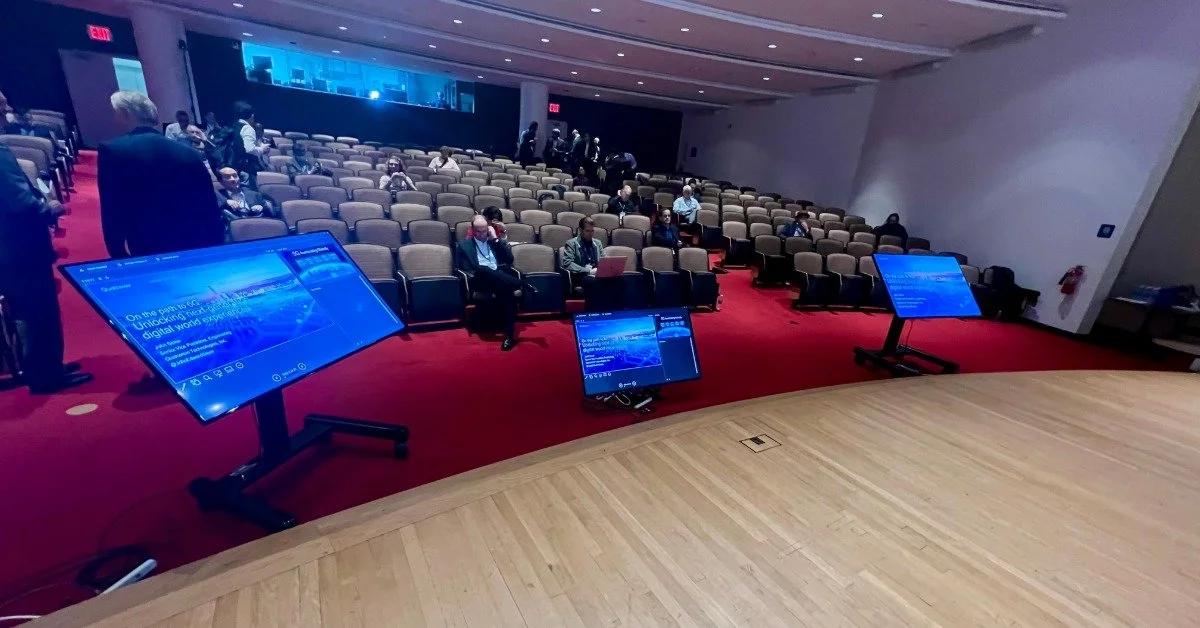
Directional signage serves as silent communication throughout an event. Well placed signs help attendees locate meeting rooms, restrooms, dining areas, presentations, exits, and activity stations without constantly asking for assistance.
Effective signage remains simple and easy to read from a distance. Consistent branding and clear visual cues also help reinforce the event experience while improving navigation.
When guests always know where to go next, they feel more confident and relaxed.
Strategic Placement of Attractions Encourages Exploration
The placement of event features affects where guests spend their time.
Many organizers unintentionally create crowding by placing every popular attraction in one location. Instead, distributing engaging experiences throughout the venue encourages attendees to explore multiple areas.
Interactive displays, networking lounges, entertainment, food stations, and sponsor activations can all help balance traffic when positioned thoughtfully.
A well-designed layout encourages natural movement instead of creating congestion around a single attraction.
Food and Beverage Areas Require Careful Planning
Dining spaces often generate the highest concentration of guests.
Buffets, beverage stations, snack tables, and bars attract attendees throughout the event. Without proper planning, these areas quickly become bottlenecks that disrupt movement across the venue.
Several planning considerations improve traffic flow:
Space multiple food and beverage stations throughout the venue.
Allow generous room for waiting lines.
Separate seating areas from serving stations.
Position trash and recycling bins nearby.
Keep major walkways free from dining traffic.
These simple decisions reduce congestion while making dining more enjoyable.
Guest Flow Supports Better Networking
Many events exist primarily to help people connect. Corporate conferences, industry expos, alumni gatherings, and fundraising events all rely on meaningful conversations.
Crowded layouts often discourage networking because attendees struggle to find comfortable places to gather. Quiet seating areas, open lounge spaces, and strategically placed conversation zones encourage guests to stay longer and interact more naturally.
Spacing also matters. Comfortable distances between tables, exhibits, and activity stations allow conversations without excessive noise or interruption.
Good guest flow supports both planned interactions and spontaneous conversations.
Presentations Should Not Interrupt Movement
Educational sessions, keynote speeches, and live demonstrations often attract large audiences. Their placement affects the rest of the event.
Presentation rooms should allow attendees to enter and exit without disrupting nearby activities. Wide entrances, clearly marked seating, and nearby overflow areas help reduce congestion before and after sessions.
Scheduling also plays an important role. Staggering presentation times prevents large groups from moving simultaneously between multiple rooms.
When movement remains organized, attendees enjoy presentations without affecting other parts of the event.
Accessibility Improves the Experience for Everyone
Guest flow includes creating spaces that every attendee can navigate comfortably.
Wide pathways, accessible entrances, clear signage, seating options, and unobstructed routes help individuals with mobility challenges while improving movement for everyone else.
Parents with strollers, guests carrying equipment, older attendees, and large groups all benefit from thoughtful accessibility planning.
Inclusive design reflects professionalism while creating a welcoming environment for every guest.
Crowd Management Enhances Safety
Safety and guest flow work together throughout every event.
Emergency exits should remain visible and accessible. High traffic areas require careful monitoring. Staff members should understand traffic patterns and know how to redirect guests if needed.
Large events often benefit from designated staff positioned at key intersections or transition points. Their presence keeps movement organized while providing assistance when questions arise.
Planning for safe movement before the event reduces the likelihood of unexpected challenges during busy periods.
Technology Can Improve Guest Flow
Modern event technology helps organizers anticipate and manage movement more effectively.
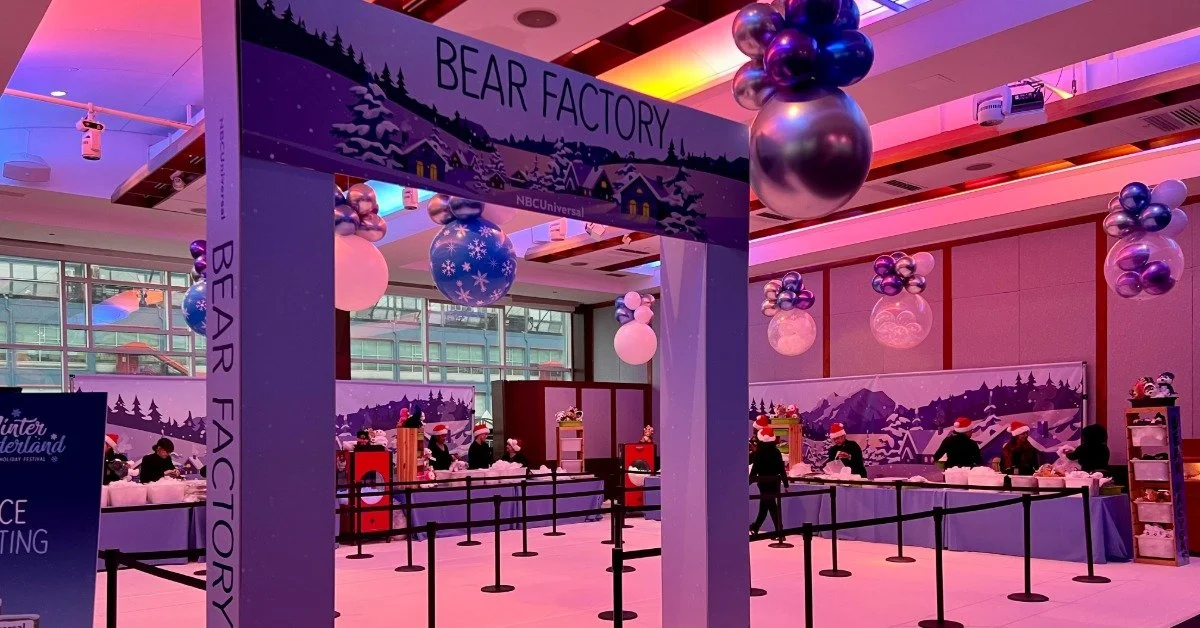
Digital event maps allow attendees to navigate unfamiliar venues. Mobile schedules reduce confusion about session locations. Digital check in systems speed registration while minimizing lines.
Some large events also use attendance data to identify crowded areas and adjust operations in real time.
Technology should simplify the guest experience rather than add unnecessary complexity. When implemented thoughtfully, digital tools complement good planning instead of replacing it.
Coordination Keeps Everything Moving
Even the best venue layout requires coordination throughout the event.
Vendors, venue staff, security personnel, entertainers, and organizers all influence guest movement. Clear communication ensures everyone understands schedules, transitions, and responsibilities.
A live event coordinator often oversees these moving parts while monitoring attendee traffic and responding quickly to changing conditions. Coordinated teams can adjust entrances, redirect guests, or modify schedules before minor issues become larger disruptions.
Preparation and communication allow every part of the event to operate as one cohesive experience.
Why Guest Flow Deserves More Attention
Successful events feel effortless because careful planning happens behind the scenes. Guests rarely notice exceptional guest flow, but they immediately recognize poor organization.
Thoughtful movement supports every aspect of an event, including networking, education, entertainment, dining, safety, and overall satisfaction. It reduces stress for attendees while helping organizers maintain control throughout the day.