

12 Ways To Create Emotional Experiences During Events
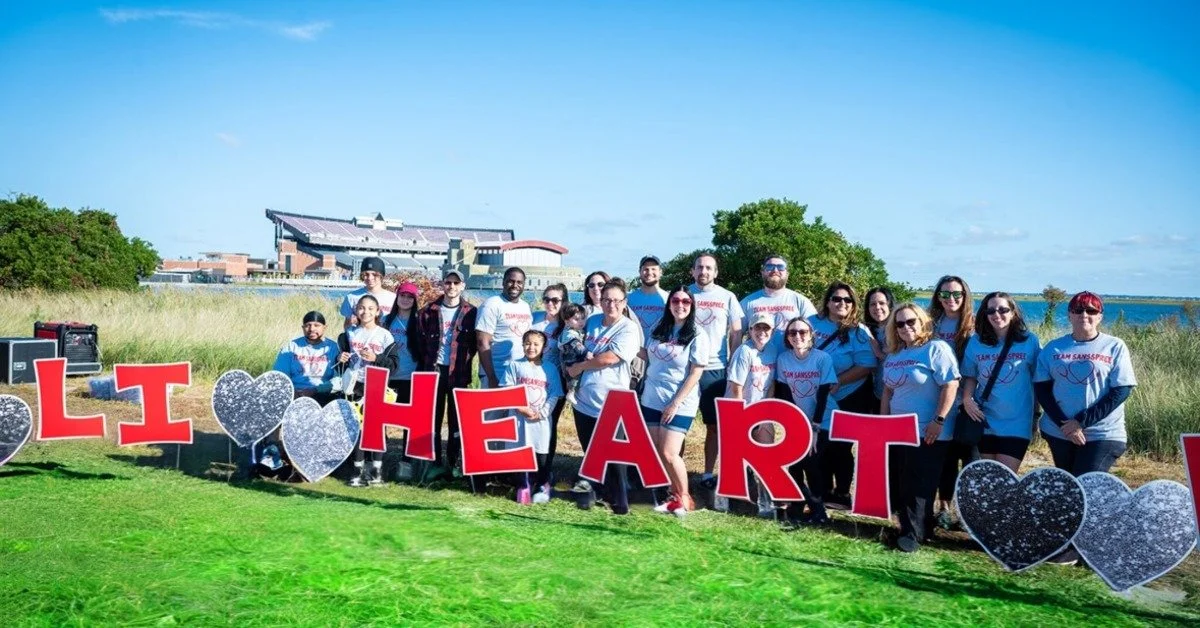
People remember how an event made them feel long after they leave the venue. A strong emotional connection turns a standard gathering into a meaningful experience that guests talk about, share online, and associate with a brand or organization for years. Whether the event supports a corporate initiative, university program, nonprofit fundraiser, or social celebration, emotional engagement drives stronger participation and deeper audience loyalty.
Creating emotional experiences during events requires intentional design choices. Every sensory detail, interactive element, and audience touchpoint contributes to the atmosphere. Successful events do not rely on one dramatic moment alone. They build emotional momentum from arrival through the final farewell.
Start With a Clear Emotional Goal
Every memorable event begins with a specific emotional intention. Organizers should decide what they want attendees to feel before selecting decor, entertainment, or technology.
Some events aim to inspire. Others focus on excitement, nostalgia, connection, or celebration. A fundraising gala may encourage empathy and hope, while a product launch may build anticipation and confidence.
A clear emotional direction helps shape every production decision. It also creates consistency throughout the experience. Guests notice when visuals, music, messaging, and interactions all support the same emotional tone.
Design a Strong Arrival Experience
First impressions influence how attendees experience the rest of the event. The arrival sequence should immediately establish energy and atmosphere.
Lighting, signage, music, and staff interactions all contribute to the emotional tone. Guests should feel welcomed and immersed from the moment they approach the venue.
Simple adjustments often create a major impact. Warm lighting creates comfort. Dramatic entryways create anticipation. Interactive installations encourage curiosity and participation.
An engaging entrance also signals professionalism and attention to detail. Attendees become more receptive to the experience when they feel considered from the beginning.
Use Lighting To Shape Mood
Lighting affects emotion more than almost any other design element. Bright white lighting creates energy and focus, while softer tones create intimacy and relaxation.
Color choices also influence emotional response. Blue tones often feel calm and sophisticated. Amber lighting feels warm and inviting. Bold saturated colors can increase excitement during performances or celebrations.
Dynamic lighting changes keep the environment emotionally active throughout the event. A shift in lighting during a keynote speech, award presentation, or live performance helps reinforce important moments.
Well planned lighting transforms ordinary venues into immersive environments that feel intentional and memorable.

Incorporate Meaningful Storytelling
Storytelling gives attendees a reason to emotionally invest in the experience. Events that communicate a strong narrative feel more authentic and engaging.
Corporate events often use storytelling to reinforce brand identity and company values. Nonprofits use emotional narratives to connect audiences with their mission. Universities and organizations use storytelling to celebrate milestones and achievements.
The strongest event stories appear throughout the entire experience rather than during one presentation alone. Visual displays, stage design, video content, and speaker messaging should work together cohesively.
Attendees connect more deeply when they understand the purpose behind the event experience.
Engage Multiple Senses
Sensory engagement strengthens memory and emotional response. Events that activate multiple senses feel more immersive and dynamic.
Music creates emotional pacing throughout the event. Scent enhances atmosphere and memory association. Textured decor and interactive displays encourage physical engagement.
Food and beverage presentation also contributes to emotional impact. Guests notice thoughtful details such as signature drinks, creative plating, or menu items tied to the event theme.
Multi-sensory experiences feel more personal because they engage attendees on several levels simultaneously.
Encourage Audience Participation
Guests form stronger emotional connections when they actively participate rather than simply observe.
Interactive experiences create energy and conversation throughout the event space. Activities may include live art installations, collaborative displays, immersive exhibits, or digital engagement opportunities.
Participation also helps attendees feel connected to one another. Shared experiences naturally encourage networking and relationship building.
Effective engagement opportunities often include:
Interactive photo activations
Live audience polling
Collaborative art or message walls
Immersive brand experiences
Hands on demonstrations
Social media participation stations
These interactions create emotional investment because attendees become part of the experience itself.
Create Moments of Surprise
Unexpected moments often become the most memorable parts of an event. Surprises create excitement and keep audiences emotionally engaged.
The surprise does not need to feel extravagant. A sudden performance, immersive reveal, personalized gift, or unexpected visual transformation can create a lasting impression.
Timing matters when introducing surprise elements. Emotional pacing should build naturally throughout the event instead of relying on constant stimulation.
Strategic surprises keep energy levels high while making the experience feel unique and intentional.
Use Music With Purpose
Music influences emotional perception immediately. The right soundtrack helps shape audience mood throughout the event experience.
Upbeat music creates anticipation during arrivals and transitions. Softer instrumental music supports networking environments and intimate conversations. High energy performances encourage celebration and excitement.
Music should align with the audience demographic and overall event goals. A mismatch between music and atmosphere can disrupt emotional consistency.
Live performances often create particularly strong emotional engagement because they feel immediate and shared. Even subtle background music choices can dramatically affect attendee perception.
Build Comfortable Social Spaces
Emotional connection grows more naturally when guests feel physically comfortable. Seating arrangements, lounge spaces, and traffic flow all influence how attendees interact with the environment.
Crowded or confusing layouts create stress and frustration. Thoughtfully designed spaces encourage conversation and relaxation.
Comfortable social environments often include flexible seating, quiet networking areas, and visually inviting gathering spaces. Guests stay engaged longer when they feel at ease.
Sophisticated event environments balance visual impact with functionality. A beautiful space should still feel approachable and easy to navigate.
Personalize the Experience
Personalization helps attendees feel valued rather than anonymous. Small customized touches create stronger emotional resonance.
Personalization may include branded welcome gifts, customized event messaging, attendee recognition, or curated experiences tailored to audience interests.
Technology also supports personalized interactions through event apps, digital experiences, and interactive content.
Many event planning companies prioritize personalization because audiences increasingly expect experiences that feel relevant and intentional.
Guests remember events that acknowledge their presence and participation in meaningful ways.
Use Visual Design To Reinforce Emotion
Visual cohesion creates a stronger emotional atmosphere. Color palettes, textures, signage, staging, and decor should support the overall mood of the event.
Minimalist environments can feel sophisticated and focused. Layered textures and dramatic visuals create excitement and immersion.
Visual consistency also strengthens storytelling. When every design element supports the same emotional direction, the event feels more polished and impactful.
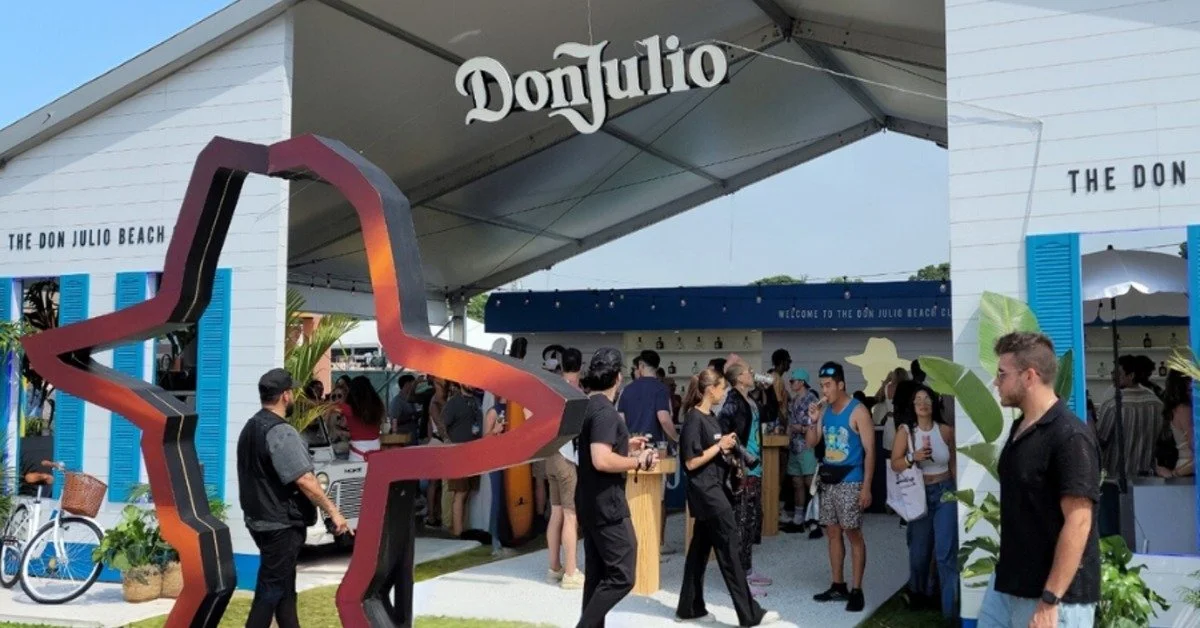
Large scale visual installations often become conversation pieces that encourage photography and social sharing. These moments extend emotional engagement beyond the physical event itself.
End With a Memorable Final Moment
The ending often shapes the strongest lasting impression. A powerful conclusion leaves attendees emotionally satisfied and more likely to remember the experience positively.
Final moments may include an inspiring speech, immersive performance, visual finale, or meaningful audience interaction.
Closing experiences should reinforce the emotional goal established at the beginning of the event. Consistency helps create a complete narrative arc.
Guests should leave feeling energized, inspired, appreciated, or emotionally connected to the event’s purpose.
Emotional Experiences Strengthen Long Term Impact
Events continue to evolve beyond traditional presentations and gatherings. Audiences now expect immersive environments that feel meaningful, engaging, and memorable.
Creating emotional experiences requires thoughtful planning, creative execution, and attention to human connection. Every detail contributes to how attendees feel during the event and what they remember afterward.
When events successfully create emotional resonance, they strengthen relationships between brands, organizations, and audiences. Guests become more engaged, conversations become more authentic, and experiences become far more memorable.
The most successful events do not simply entertain attendees. They create moments that people genuinely feel.