

Creating Experiential Events That Wow Guests
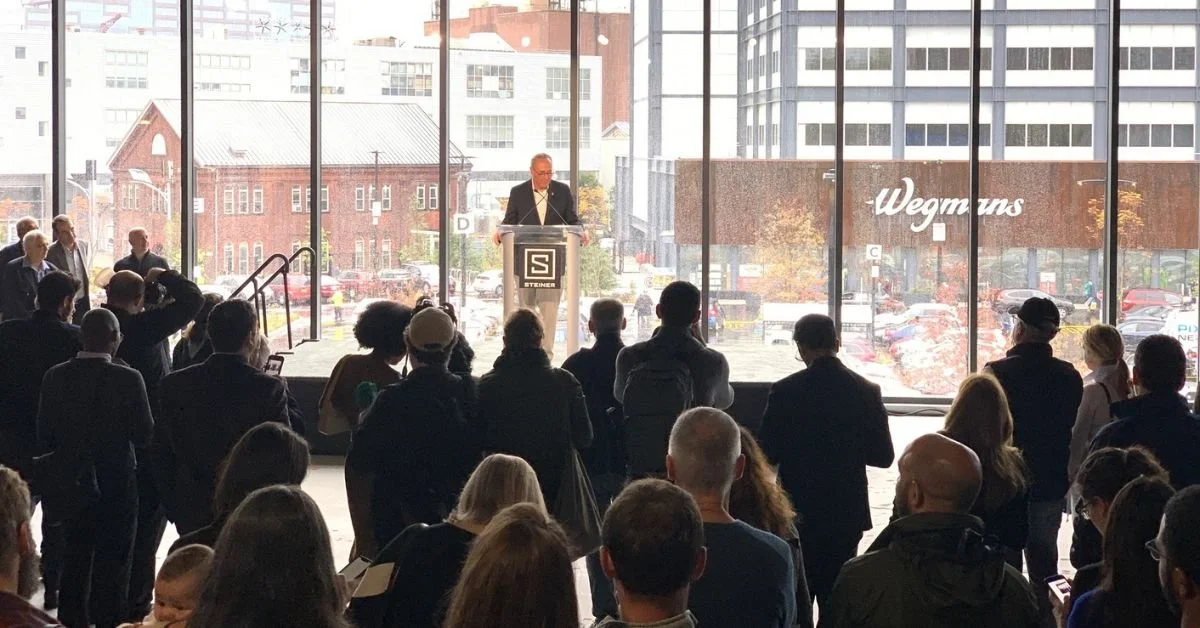
Modern audiences want more than a typical event. They want something memorable, immersive, and emotionally engaging. Experiential events deliver exactly that. They transform gatherings into interactive environments where guests participate instead of simply observing.
Corporate brands, universities, and agencies increasingly prioritize experiential formats because they create stronger connections. A well-designed experience encourages guests to explore, interact, and share the moment with others. This approach often turns a single event into a lasting brand memory.
Event producers now combine entertainment, design, technology, and storytelling to shape these experiences. Organizations that embrace experiential strategies often see higher engagement, stronger attendance, and greater post event buzz.
The sections below explain how event planners can create experiential events that truly wow guests.
Start With a Clear Event Experience Goal
Every successful experiential event begins with a clear objective. Event planners should define what guests should feel, learn, or remember after the event ends.
Some events aim to celebrate employees. Others introduce a product, build brand awareness, or strengthen community relationships. The experience design should always support that goal.
Ask a few key questions before planning begins:
• What emotion should guests feel during the event?
• What message should guests remember afterward?
• What action should guests take following the event?
A clear purpose helps shape every decision, from entertainment choices to venue layout.
Design the Event Around Guest Participation
Experiential events focus on interaction. Guests should not feel like spectators. They should feel like active participants in the environment.
Interactive elements might include hands on installations, live performances, themed environments, or creative activities. When guests engage directly with the experience, they stay energized and curious.
Participation also encourages conversation among attendees. That energy often spreads throughout the entire venue and keeps guests engaged for longer periods of time.
When people interact with an event rather than watch it, the experience becomes far more memorable.
Build an Immersive Theme That Tells a Story
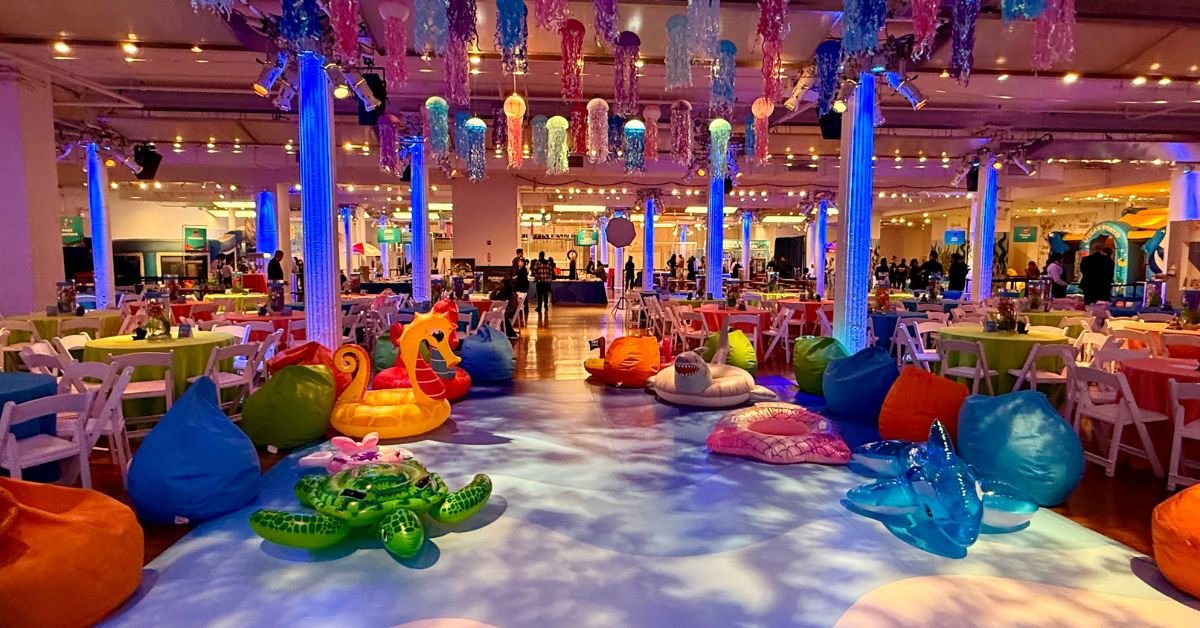
Themes help unify every element of an experiential event. A strong concept gives the event identity and direction.
A thoughtful theme can influence:
• Decor and scenic design
• Lighting and visual effects
• Entertainment and performers
• Interactive stations
• Food and beverage presentation
Instead of selecting random attractions, event planners should connect each element to the theme. This approach creates a cohesive environment where every detail contributes to the story. Guests immediately feel the difference when an event follows a clear narrative.
Choose Entertainment That Creates Energy
Entertainment plays a huge role in experiential events. The right performers can transform a standard event into a dynamic experience.
Live entertainment encourages movement, excitement, and conversation. Performers often interact with guests and help create spontaneous moments.
Event planners may incorporate:
• Live bands or DJs
• Interactive performers
• Cirque style acts
• Dance performances
• Specialty entertainers
Some event producers even source hard to find live acts that surprise audiences and elevate the overall experience. Unique performers can quickly become the highlight of the entire event.
Design the Physical Environment With Purpose
Event layout strongly influences how guests move and interact within the space. Experiential events benefit from thoughtful design that encourages exploration.
Instead of a single central stage, planners may create multiple activity zones throughout the venue. Guests can travel from one experience to another.
Consider including:
• Entertainment stages
• Interactive activity stations
• Lounge spaces for conversation
• Photo opportunities
• Food and beverage areas
Strategic placement keeps traffic flowing and prevents overcrowding. Guests remain engaged because something interesting always happens nearby.
Use Lighting and Visual Effects to Set the Mood
Lighting often determines how guests perceive the environment. A creative lighting design can instantly transform a venue.
Color, movement, and projection mapping help shape the atmosphere. Planners can highlight stages, spotlight performers, or create dramatic visual moments throughout the evening.
Lighting can also guide guest attention. Subtle changes in lighting often signal transitions between program segments.
When lighting aligns with the event theme, the entire space feels intentional and immersive.
Add Interactive Attractions Guests Want to Explore
Experiential events often feature attractions that invite participation. These elements encourage guests to move around and interact with the environment.
Interactive attractions may include:
• Virtual reality stations
• Custom photo experiences
• Games and competitions
• Interactive art installations
• Activity lounges
Guests naturally gravitate toward these experiences because they offer something memorable. Many attractions also generate social media moments, which helps extend the event's reach beyond the venue.
Incorporate Creative Food and Beverage Experiences
Food should never feel like an afterthought. Experiential events often turn dining into part of the entertainment.
Creative culinary stations encourage guests to explore new flavors and presentations. Chefs can prepare dishes in front of guests or offer customizable food experiences.
Examples include:
• Build your own dessert bars
• Themed cocktail stations
• Global tasting stations
• Chef demonstration counters
Food experiences give guests another opportunity to interact with the event environment while enjoying something delicious.
Create Moments Guests Want to Share
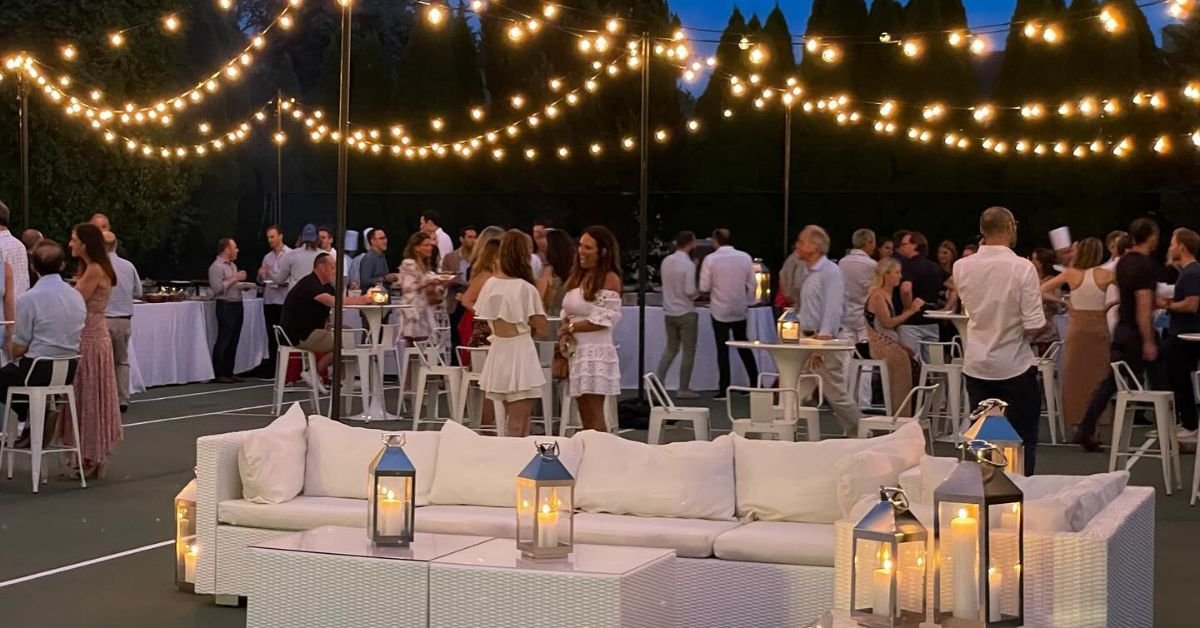
Experiential events thrive on shareable moments. When guests feel excited, they naturally want to capture and share the experience.
Photo opportunities often help drive that excitement. Unique backdrops, immersive scenery, and interactive installations encourage guests to take photos.
Event planners should consider:
• Branded photo environments
• Dramatic lighting installations
• Immersive themed backdrops
• Live performance moments
These visual experiences often appear across social media during the event, expanding brand visibility and generating buzz.
Coordinate Production Details Carefully
Behind every experiential event sits a detailed production plan. Even the most creative concepts require strong logistics and coordination.
Event production teams manage multiple elements simultaneously:
• Scenic installation
• Lighting and sound systems
• Entertainment scheduling
• Equipment setup
• Vendor coordination
Smooth production ensures that guests experience the event exactly as intended. When production runs seamlessly, the immersive atmosphere remains uninterrupted.
Experienced event teams often handle these complexities so planners can focus on guest experience.
Adapt Experiences for Different Event Sizes
Experiential design works for many types of events. Corporate galas, campus celebrations, brand activations, and private gatherings can all benefit from immersive concepts.
A smaller event might focus on a few high impact experiences. Larger corporate events may include multiple entertainment zones, stages, and attractions.
Flexibility allows planners to tailor experiential concepts to different audiences and budgets. The key remains the same: keep guests actively engaged.
Organizations that host recurring events often evolve their experiential elements each year to maintain excitement.
Keep the Guest Journey in Mind
Every experiential event should follow a clear guest journey from arrival to departure. Each stage of the event should feel intentional.
The experience may include:
• A visually exciting entrance moment
• Interactive experiences during the event
• Entertainment highlights throughout the evening
• A memorable finale
A well-planned journey helps make sure that guests stay engaged from the moment they arrive until the event concludes. When the experience flows naturally, guests rarely feel bored or disconnected.
Focus on Emotion and Memory
The most successful experiential events focus on emotion. Guests remember how an event made them feel.
Great experiences spark excitement, curiosity, and connection. These emotions turn a simple event into a lasting memory.
Planners should think beyond logistics and focus on atmosphere. Music, lighting, entertainment, and interactive design all contribute to emotional impact.
When guests leave an event feeling energized and inspired, the event achieved its goal.
Experiential Events Create Lasting Impact
Experiential events continue to grow in popularity because they deliver stronger engagement than traditional formats. They transform gatherings into immersive environments where guests actively participate.
Organizations that invest in experiential design often create more meaningful connections with their audiences. Guests remember the excitement, the atmosphere, and the unique moments they experienced.
With thoughtful planning, creative entertainment, and strong production support, event planners can create experiences that truly wow guests and leave lasting impressions long after the event ends.