

12 Tips for Maximizing Small Venues With Smart Design
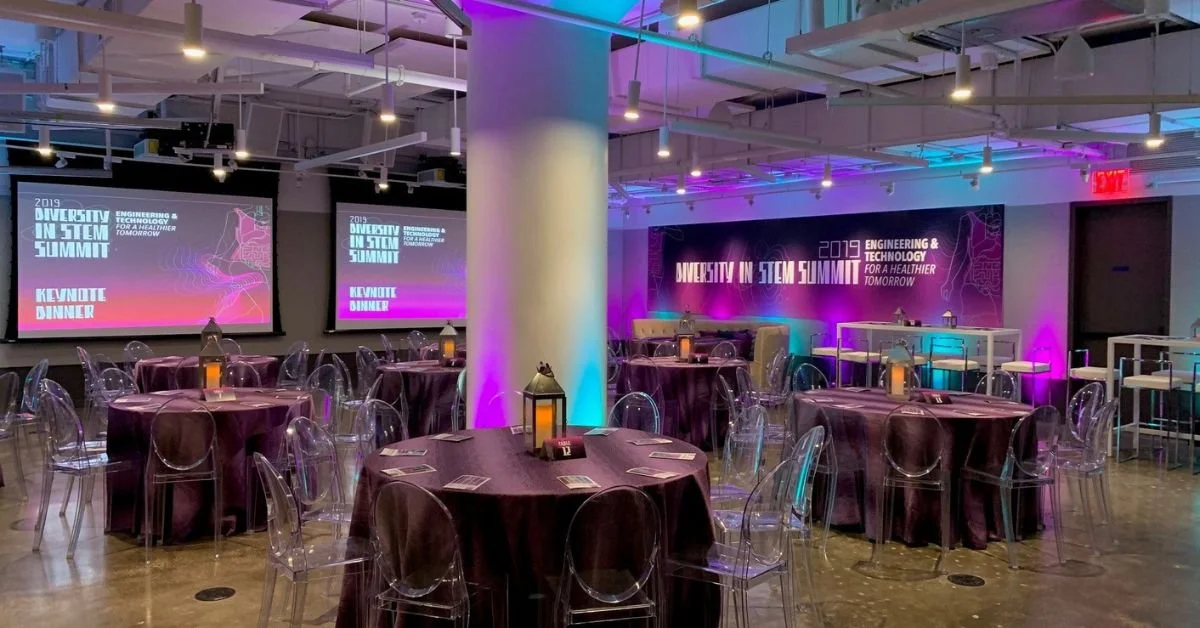
Event planners often face space limitations when selecting venues. A smaller footprint does not limit creativity or impact. Smart design decisions allow planners to transform compact spaces into memorable environments that feel purposeful and engaging.
Corporate brands and agencies often prioritize experiences that encourage connection and interaction. Thoughtful design allows smaller venues to support these goals without sacrificing comfort or style. Strategic layouts, layered lighting, and intentional décor choices help planners maximize every square foot.
The following tips help planners use smart design strategies to transform small venues into high-impact event spaces.
Start With a Clear Event Purpose
Every design decision should support the event’s purpose.
Corporate events often include networking, presentations, product launches, or team building activities. Each objective requires a different layout and atmosphere. When planners define the event goal early, they can design a space that supports guest flow and engagement.
A networking event requires open areas and flexible seating. A presentation requires sightlines and controlled lighting. A product launch may need staging and display zones. Clarity at the beginning prevents wasted space and unnecessary design elements.
Prioritize Layout Before Décor
A well planned layout maximizes function and flow.
Many planners focus on décor before considering how guests will move through the space. This approach often creates congestion or awkward gathering points. Smart design begins with layout planning.
Map out major areas such as check in, bar stations, seating areas, and stages. Leave clear walking paths so guests can circulate easily.
Designers often use zoning techniques to organize a smaller venue:
Networking areas near entrances
Presentation space toward the center
Food and beverage stations along walls
Interactive activations in open corners
This structure helps guests navigate naturally without crowding.
Use Vertical Space for Visual Impact
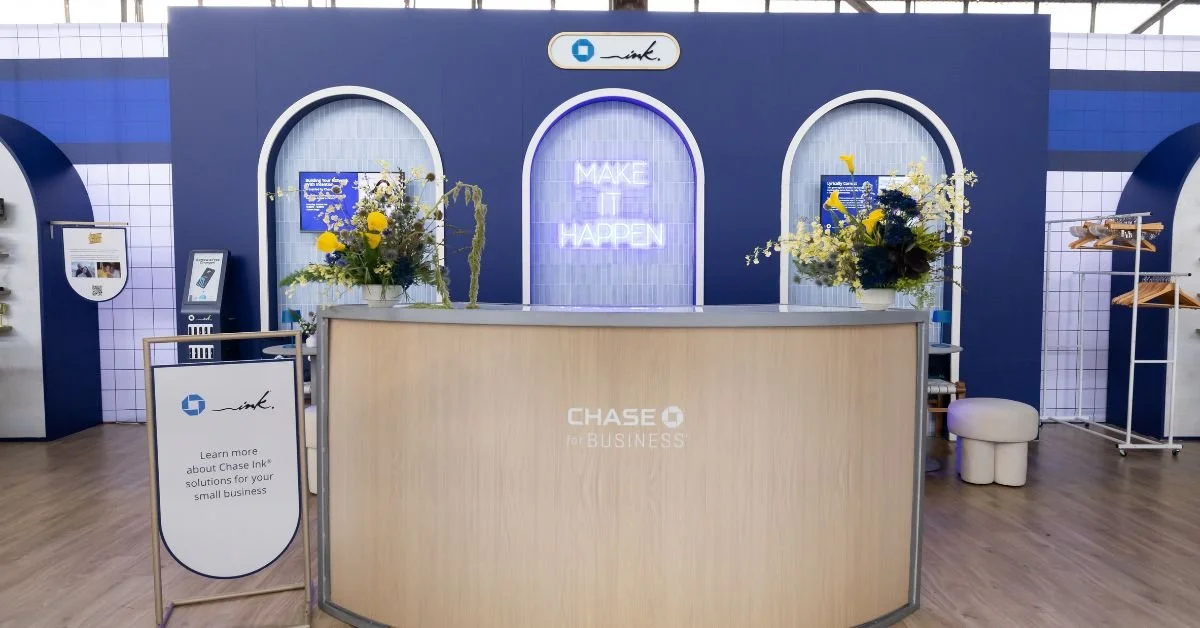
Small venues often lack floor space but offer usable vertical space.
Designers can use height to add visual energy without reducing guest movement. Tall décor elements, hanging lighting features, and suspended signage help create a layered environment.
Popular vertical design options include:
Hanging greenery or floral installations
Overhead lighting trusses
Elevated stage platforms
Tall branded signage
These elements draw attention upward and make the room feel larger.
Create Defined Zones Within the Venue
Small venues benefit from purposeful zoning. Dividing a venue into distinct areas makes the space feel organized rather than cramped. Zones help guide guests through different activities throughout the event.
For example, planners may create:
A welcome and registration area
A lounge space for conversation
A presentation or entertainment area
A refreshment zone
Soft boundaries help establish these areas. Designers often use rugs, lighting, or décor clusters to separate zones without blocking sightlines.
Choose Multi-Purpose Furniture
Furniture selection plays a major role in maximizing small venues. Bulky furniture quickly consumes valuable space. Smart planners select pieces that support multiple uses.
Examples include:
Cocktail tables that encourage standing conversations
Modular lounge seating that can reconfigure easily
Ottomans that function as seating or side tables
Stackable chairs that simplify transitions
These choices keep the room flexible throughout the event.
Use Lighting to Shape the Room
Lighting dramatically affects how guests perceive space.
Proper lighting design creates depth and highlights key areas. Even a compact venue can feel dynamic when lighting directs attention.
Designers often combine several lighting layers:
Ambient lighting to illuminate the room
Accent lighting to highlight décor or branding
Stage lighting for presentations or entertainment
Decorative lighting for atmosphere
Up lighting placed along walls also adds height and dimension. This simple technique helps a room appear taller and more open.
Keep Décor Intentional and Strategic
Small spaces benefit from thoughtful restraint. Over decorating often overwhelms a compact venue. Strategic design choices create impact without clutter. Designers should focus on a few standout elements rather than filling every corner.
A strong focal point often anchors the entire design. Examples include:
A branded stage backdrop
A dramatic centerpiece installation
A themed entrance experience
When planners highlight key features, the room feels curated rather than crowded.
Optimize Guest Flow Throughout the Event
Guest movement influences comfort and engagement.
Poor flow leads to bottlenecks near entrances, bars, or entertainment areas. Smart design eliminates these issues through careful placement of event elements.
Place high traffic stations along walls instead of central pathways. Spread food and beverage stations across the venue to distribute guests evenly.
Designers should also consider how the event transitions between phases. A cocktail reception might shift into a presentation or performance. Flexible layouts allow these changes without disrupting the experience.
Incorporate Interactive Experiences
Interactive elements help small venues feel lively and engaging. Guests remember events that offer participation rather than passive observation. Smaller venues often create a more intimate environment for interactive activities.
Examples include:
Branded photo activations
Interactive digital displays
Game stations or social competitions
Custom themed experiences
Experiential event companies frequently design these elements to encourage connection and brand engagement.
Consider Outdoor Extensions When Possible
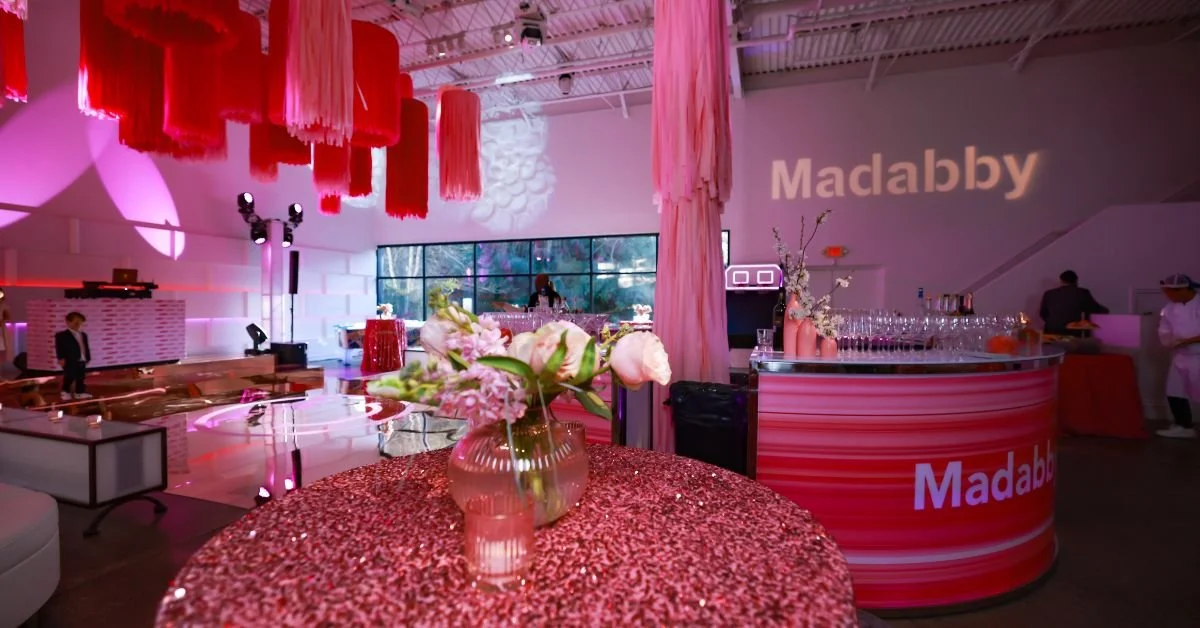
Some venues allow planners to expand beyond indoor space.
Outdoor areas provide valuable breathing room for guests. Courtyards, patios, and lawns often become additional zones for networking or entertainment.
When outdoor space exists, planners may incorporate seating areas, games, or food stations outside. A party tent rental can also extend usable space while protecting guests from weather conditions. This approach allows a smaller venue to accommodate more guests comfortably.
Simplify the Event Schedule
Smaller venues benefit from streamlined programming.
Too many activities within a limited space create congestion and distractions. Smart design pairs with a thoughtful event schedule that allows guests to focus on key moments.
A clear structure may include:
Welcome reception
Main presentation or entertainment
Networking period
Closing activity
Spacing out these elements prevents overcrowding and maintains a relaxed atmosphere.
Work With an Experienced Event Production Team
Professional event producers bring valuable expertise to venue optimization.
Companies with in house equipment and logistics capabilities can adapt designs to fit the space efficiently. They often manage staging, lighting, décor, and experiential activations as part of a unified production plan.
NYFF Events specializes in experiential events and provides equipment and design services that support both intimate and large scale productions. Our experience allows planners to create sophisticated environments even within smaller venues.
Working with experienced professionals reduces logistical challenges and ensures a smooth event experience.
Smart Design Turns Small Venues Into Memorable Experiences
A smaller venue does not limit the potential for impactful events. Smart design transforms compact spaces into engaging environments that support networking, presentations, and entertainment.
Strategic layouts, intentional décor, layered lighting, and flexible furniture allow planners to maximize every square foot. Clear zoning and thoughtful guest flow further enhance comfort and interaction.
When planners approach small venues with creativity and planning, they unlock opportunities for unique and memorable experiences. With the right design strategies and production support, even the most compact space can deliver a powerful event.