

From Concept to Event Day: Design Essentials
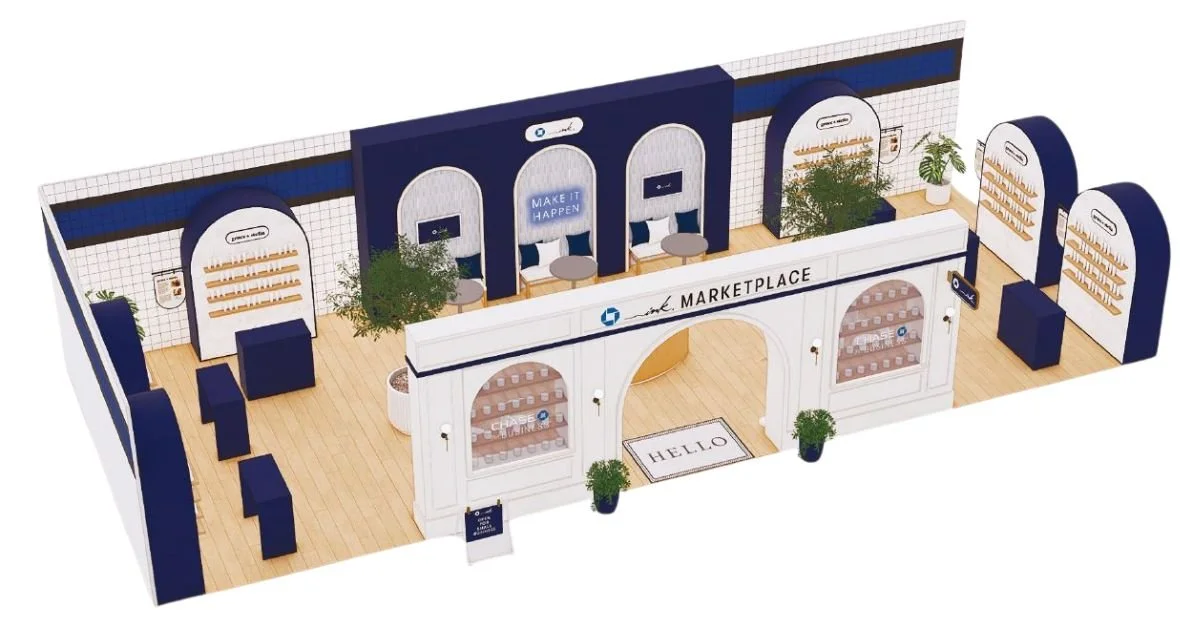
Great events do not happen by accident. Strong design decisions shape every detail, from the first brainstorm to the final guest interaction. When teams approach event planning with clarity and intention, they create experiences that feel cohesive, engaging, and memorable.
Whether you plan a corporate gathering, campus activation, or branded experience, design serves as the foundation. The following will walk through what it takes to move from concept to event day with confidence and creativity.
Start With a Clear Event Vision
Every successful event begins with a defined purpose. Before selecting décor or entertainment, clarify the outcome you want to achieve.
Ask focused questions:
What does success look like?
Who is the primary audience?
What emotions should the experience create?
What action should attendees take after the event?
When you align design choices with clear objectives, you eliminate unnecessary elements. You also ensure every detail supports the larger goal.
Define Your Audience Experience Early
Event design centers on people, not products. Corporate brands, agencies, and executive producers want experiences that feel intentional and impactful.
Consider how guests will move through the space. Think about how they will interact with each feature. Anticipate where they will gather, pause, and engage.
When you prioritize guest flow and comfort early, you reduce friction on event day. You also increase engagement and participation.
Build a Strong Creative Concept
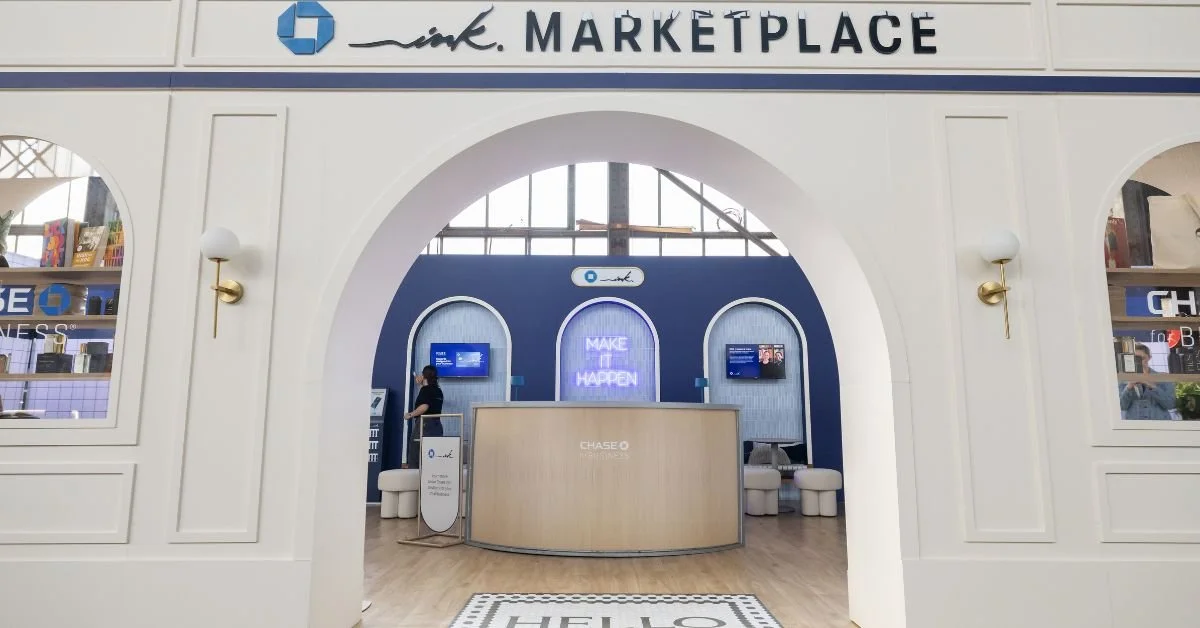
A strong concept anchors every design decision. Without it, events feel scattered.
Your concept might stem from:
A brand campaign
A seasonal theme
A milestone celebration
A cultural or campus moment
Translate that idea into visual and experiential elements. Colors, textures, lighting, signage, and entertainment should all reinforce the central theme.
Consistency creates immersion. Immersion creates impact.
Balance Creativity With Practical Logistics
Bold ideas require realistic execution. Event design must account for venue restrictions, timelines, power access, load in schedules, and safety requirements.
Creative teams should collaborate with operations early. That collaboration ensures the concept fits within the physical space and production timeline.
When design and logistics align, teams avoid last minute compromises. The event feels seamless instead of stressful.
Design With the Venue in Mind
Every venue influences the final look and feel. A corporate campus differs from a ballroom. An outdoor activation requires different materials than an indoor conference.
Study the layout carefully. Measure ceiling heights, entry points, and staging areas. Identify focal points and potential bottlenecks.
Then design around those realities. Use lighting to enhance architecture. Use layout to improve traffic flow. Let the space support the story rather than fight against it.
Create Intentional Zones Within the Event
Large events benefit from defined areas. Zoned layouts improve clarity and energy.
Common event zones include:
Welcome and registration
Main stage or presentation space
Networking areas
Interactive experiences
Food and beverage stations
Clear zoning prevents overcrowding and confusion. It also gives guests options. Some attendees seek conversation, while others look for high energy interaction. Thoughtful zoning allows both to coexist.
Use Lighting as a Design Driver
Lighting shapes mood faster than almost any other element. It highlights focal points, directs attention, and reinforces brand colors.
Consider layered lighting:
Ambient lighting for overall tone
Accent lighting for décor and installations
Stage lighting for speakers or performers
Dynamic lighting for high energy moments
Even simple adjustments can elevate the environment. Strategic lighting transforms standard spaces into immersive experiences.
Incorporate Interactive Elements
Modern audiences expect more than passive observation. Interactive features invite participation and extend dwell time.
Interactive elements may include:
Branded photo activations
Digital engagement stations
Hands on activities
Game areas or experiential installations
For some events, carnival rentals add a playful and nostalgic layer that encourages connection and movement. When used thoughtfully, interactive features create energy without distracting from the event’s purpose.
The key lies in alignment. Each activation should support the overall concept and audience expectations.
Select Décor That Supports the Message
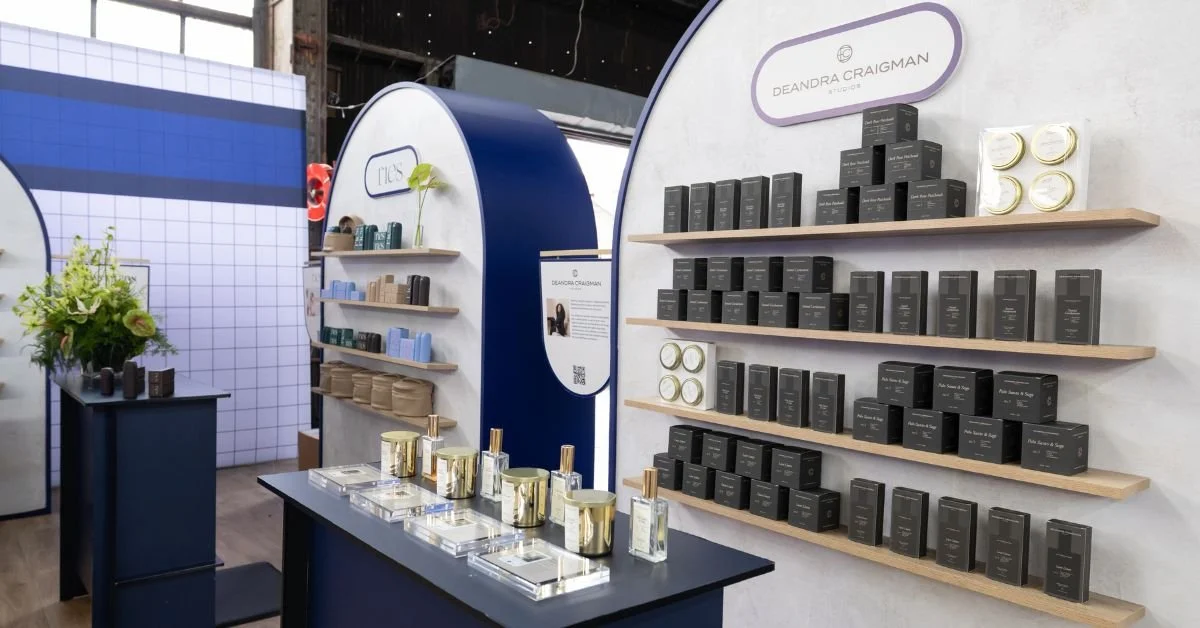
Décor should enhance the narrative, not overwhelm it. Focus on quality over quantity.
Choose statement pieces that anchor the space. Use textures and materials that align with the theme. Maintain visual consistency across signage, stage design, lounge furniture, and table settings.
Overloading a space with mismatched elements weakens impact. Clean, intentional design often communicates more effectively.
Prioritize Seamless Production Planning
Design ideas only succeed when production teams execute them properly. Develop a detailed production timeline well before event day.
Include:
Load in schedules
Vendor arrival times
Installation sequences
Technical rehearsals
Final walkthroughs
Clear documentation keeps teams aligned. It also allows time to solve issues before guests arrive.
Strong production planning protects the creative vision from preventable disruptions.
Coordinate Vendors With Clear Communication
Events often involve multiple partners. Designers, fabricators, entertainment providers, and technical crews must operate as one team.
Establish clear communication channels. Share renderings, layouts, and run of show documents in advance. Confirm responsibilities and deadlines early.
When everyone understands the concept and expectations, execution improves. Miscommunication creates costly setbacks and unnecessary stress.
Rehearse the Guest Journey Before Doors Open
Walk the event from a guest perspective before launch. Enter through registration. Sit in the audience. Visit activations. Order food.
This walkthrough reveals potential issues:
Signage that lacks clarity
Audio that needs adjustment
Bottlenecks in high traffic areas
Lighting that distracts rather than enhances
Addressing these details before guests arrive preserves the experience you worked to design.
Maintain Flexibility on Event Day
Even the most detailed plans require adaptability. Weather shifts. Timelines adjust. Speakers run long.
Design teams should prepare backup solutions in advance. Extra signage, alternate layouts, and contingency plans allow quick adjustments without sacrificing quality.
Flexibility protects both the guest experience and the creative concept.
Capture the Design for Future Growth
Document the final setup through professional photography and video. Capture wide shots, close details, and guest interactions.
These assets serve multiple purposes:
Internal evaluation
Marketing materials
Sales support
Social media promotion
Review what worked well and what could improve. Strong documentation turns one successful event into a blueprint for future projects.
Keep Budget Alignment in Focus
Event design should inspire, not intimidate. Strong planning allows teams to work across a range of budgets while maintaining impact.
Prioritize high visibility elements first. Allocate resources toward areas guests will notice most. Adjust secondary décor as needed without compromising the overall vision.
Smart allocation keeps creativity strong while protecting financial goals.
Elevate the Experience With Cohesive Execution
The transition from concept to event day requires discipline and creativity in equal measure. Clear vision, intentional design, and coordinated production create events that feel effortless.
When teams invest in these essentials, they avoid common pitfalls. They reduce last minute stress. Most importantly, they deliver experiences that resonate with audiences long after the event concludes.
Thoughtful event design turns ideas into environments. It transforms empty spaces into memorable moments. With the right planning and attention to detail, every event can move confidently from concept to event day with purpose and impact.
If you are planning an upcoming corporate or experiential event and want to explore what strong design can accomplish, connect with a team that understands both creativity and execution. The right partnership helps bring your vision to life with clarity and confidence.