

Boost Engagement With Creative Event Designs
Corporate events often suffer from a reputation for being dry, obligatory gatherings held in sterile conference rooms. Attendees shuffle in, listen to speakers for hours, and leave with little more than a branded pen. However, the landscape of corporate gatherings is shifting rapidly. Companies now realize that the physical environment plays a massive role in how employees, clients, and partners receive information. A well-designed event does more than look good; it facilitates connection, reinforces brand values, and keeps attendees engaged from the moment they arrive until the final closing remarks.
Creative design transforms a standard meeting into a memorable experience. When you approach an event with a focus on engagement, you move beyond simple logistics. You create an atmosphere that encourages interaction and fosters enthusiasm. Professional planners understand that every element, from the lighting to the furniture layout, communicates a message. By making intentional design choices, you demonstrate value to your guests and ensure your content resonates.
Engagement stands as the primary metric for success in the modern corporate world. Without it, you waste valuable resources and time. Active participants retain information better and form stronger connections with their peers. To achieve this, you must rethink traditional formats and embrace innovation. The following strategies outline how to utilize design to capture attention and elevate the attendee experience.
Develop Immersive Thematic Environments
A cohesive theme anchors an event and provides a narrative thread for attendees to follow. However, a theme involves more than just a catchy slogan or a specific color palette. You must create an immersive environment that transports guests away from their daily grind. Think about the story you want to tell. Does your company value innovation? Perhaps a futuristic theme with metallic accents and sleek lines works best.
Immersive design requires attention to detail. Every touchpoint, from the invitations to the exit signage, should reflect the chosen narrative. This consistency builds a world that attendees can step into, allowing them to leave external distractions at the door. When guests feel fully immersed, they engage more deeply with the content and with each other. A strong theme sparks conversation and creates a shared experience that lasts long after the event concludes.
Leverage Interactive Technology Tools
Technology offers powerful ways to bridge the gap between content and audience. Passive consumption of slides often leads to boredom. Instead, incorporate tools that invite participation. Touch screens, augmented reality (AR) stations, and virtual reality (VR) headsets turn observers into active participants.
Consider using live polling software that displays results in real-time on large screens. This technique gives the audience a voice and allows speakers to adjust their presentations based on immediate feedback. Digital graffiti walls or interactive floor projections add an element of playfulness that breaks the ice. When you utilize technology creatively, you create dynamic energy. It encourages attendees to explore the space and interact with the information in a hands-on manner, significantly boosting retention and interest.
Revolutionize Seating Configurations
The days of rigid theater-style rows are fading. How people sit directly influences how they behave and interact. Traditional rows encourage passivity and isolate individuals. To foster engagement, you must mix up the seating arrangements. Use a variety of furniture styles to create different zones within the main space.
High-top tables encourage standing and mingling, while lounge areas with sofas invite relaxed conversation. Pods or clusters of chairs facilitate small group discussions and networking. By offering choice, you empower attendees to find an environment that suits their learning style and comfort level. Flexible seating also allows for easy transitions between keynote speeches and breakout sessions. When guests feel physically comfortable and free to move, their mental engagement increases.
Utilize Strategic Lighting Design
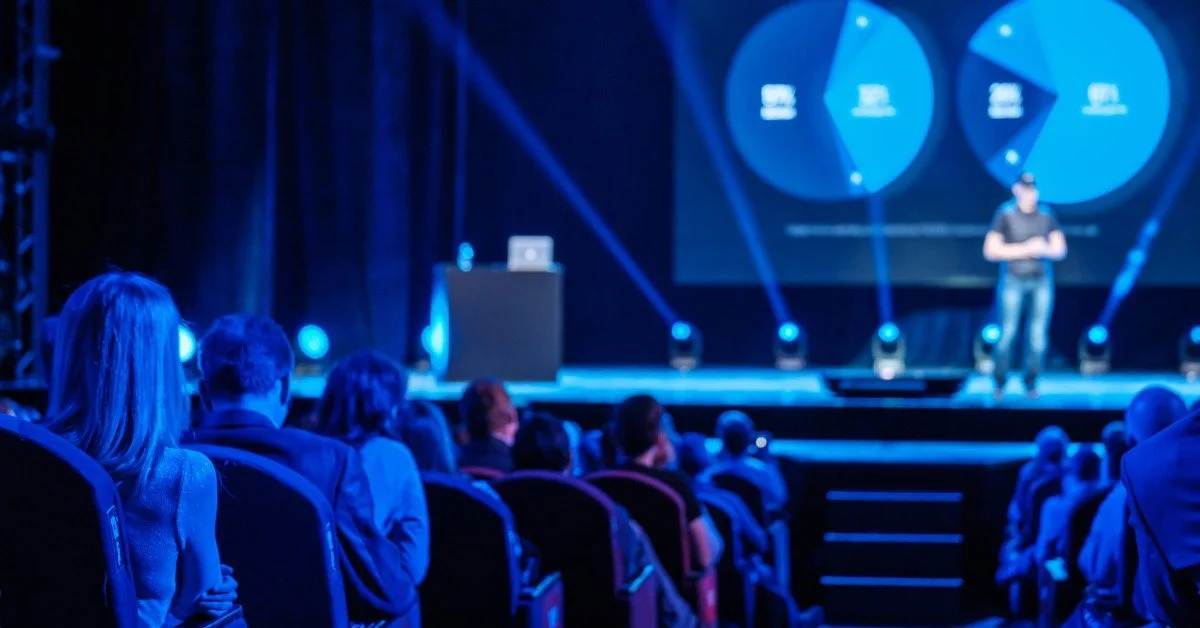
Lighting creates atmosphere more effectively than almost any other design element. It directs attention, sets the mood, and can even influence energy levels. Harsh fluorescent lights drain energy and cause fatigue. In contrast, dynamic lighting schemes keep the environment fresh and engaging.
Use spotlights to focus attention on speakers or key product displays. Color-changing LEDs can shift the mood as the event progresses from a serious morning session to a high-energy evening reception. You can also use projection mapping to turn plain walls into dynamic canvases that display moving art or branded content. Professional event production teams often use lighting to subtly guide the flow of traffic or highlight specific areas of interest. Strategic illumination ensures the environment remains visually stimulating without becoming overwhelming.
Curate Experiential Dining Options
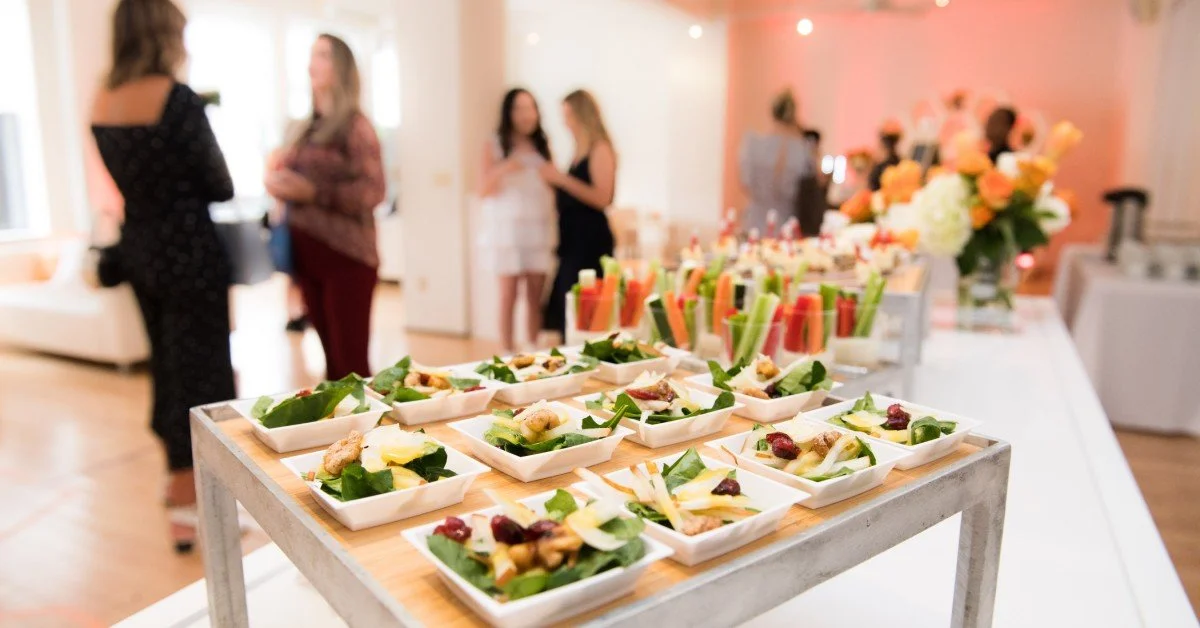
Food and beverage service offers a prime opportunity for engagement. The standard buffet line often creates bottlenecks and stifles conversation. Instead, turn catering into an experience. Interactive food stations where chefs prepare dishes to order create a spectacle and a natural gathering point for guests.
Consider themed food displays that match the overall event narrative. Vertical food walls or suspended serving platters add a visual "wow" factor. You might also incorporate educational elements, such as a sommelier guiding a wine tasting or a mixologist teaching guests how to craft a signature cocktail. When dining becomes an activity rather than just a necessity, it sparks conversation. Sharing a unique culinary experience builds camaraderie and keeps energy levels high throughout the day.
Construct Purposeful Breakout Zones
Attendees need downtime to process information and recharge. If you pack the schedule without providing spaces for rest, engagement will plummet. Designate specific areas as breakout zones or "recharge lounges." These spaces should be visually distinct from the main event area, perhaps using softer lighting and quieter acoustics.
Equip these zones with comfortable seating, charging stations for devices, and refreshments. You might create a "genius bar" style setup where guests can ask experts questions in a casual setting. These areas allow for serendipitous networking and organic conversations that often yield high value. By respecting the need for rest and informal connection, you ensure that attendees return to the main sessions refreshed and ready to focus.
Deploy Gamification for Active Participation
Gamification taps into the human competitive spirit to drive engagement. Design elements can facilitate this by creating physical checkpoints or activity stations. Guests might complete a scavenger hunt that requires them to visit different exhibitors or interact with specific design installations to earn points.
Leaderboards displayed on digital screens track progress and build excitement. You can design the event layout to encourage exploration, hiding clues or rewards in less trafficked areas. Prizes should be desirable and relevant. This strategy turns the event into a game where participation is the key to winning. It forces attendees to be active rather than passive and encourages them to interact with every aspect of the event design you have created.

Elevate Your Next Corporate Gathering
Creative design acts as the catalyst for meaningful engagement at corporate events. By moving away from sterile, standard formats and embracing immersive, attendee-centric strategies, you elevate the entire experience. Every design choice, from the lighting to the layout, serves a purpose. These elements work together to keep guests interested, comfortable, and open to connection.
Focus on the needs of your demographic and build an environment that tells a compelling story. Use technology and sensory details to surprise and delight. When you invest in creative design, you invest in the success of your event and the satisfaction of your stakeholders. Start planning your next function with these principles in mind, and watch as your engagement levels soar.