

Top Trends Shaping Modern Corporate Events
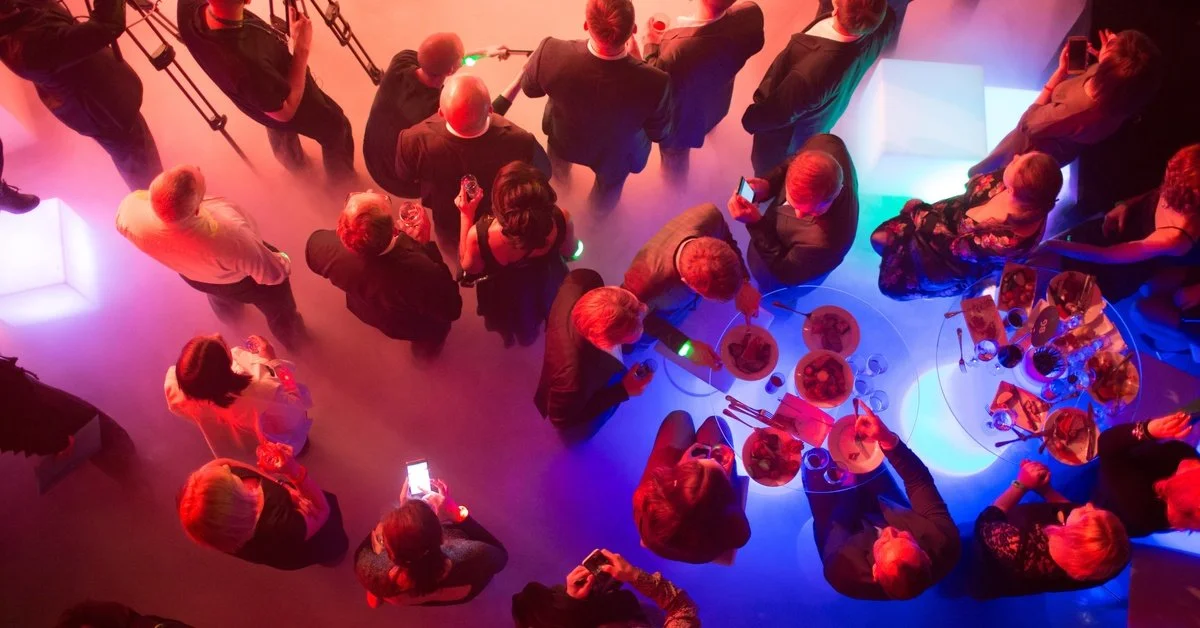
The corporate event landscape has undergone a radical transformation in recent years. What once worked for conferences and annual meetings no longer guarantees success. Attendees now expect more than just a keynote speaker and a buffet lunch. They demand immersion, connection, and purpose. As organizations navigate this new era, staying ahead of emerging trends is not just an option; it is a necessity for creating impactful experiences.
Modern events prioritize the attendee experience above all else. Companies are moving away from rigid schedules and towards flexible, engaging formats that cater to diverse needs. This shift reflects a broader change in workplace culture, where values like sustainability, wellness, and inclusivity take precedence. Understanding these shifts allows organizers to craft events that resonate deeply with participants and deliver measurable ROI.
We see a future where technology and human connection blend seamlessly. The tools we use to plan and execute gatherings have become more sophisticated, allowing for unprecedented levels of personalization. However, the core goal remains the same: bringing people together to share ideas and build relationships. The following trends highlight how the corporate events industry is evolving to meet these new expectations with confidence and creativity.
Hybrid Events Offer Flexibility and Reach
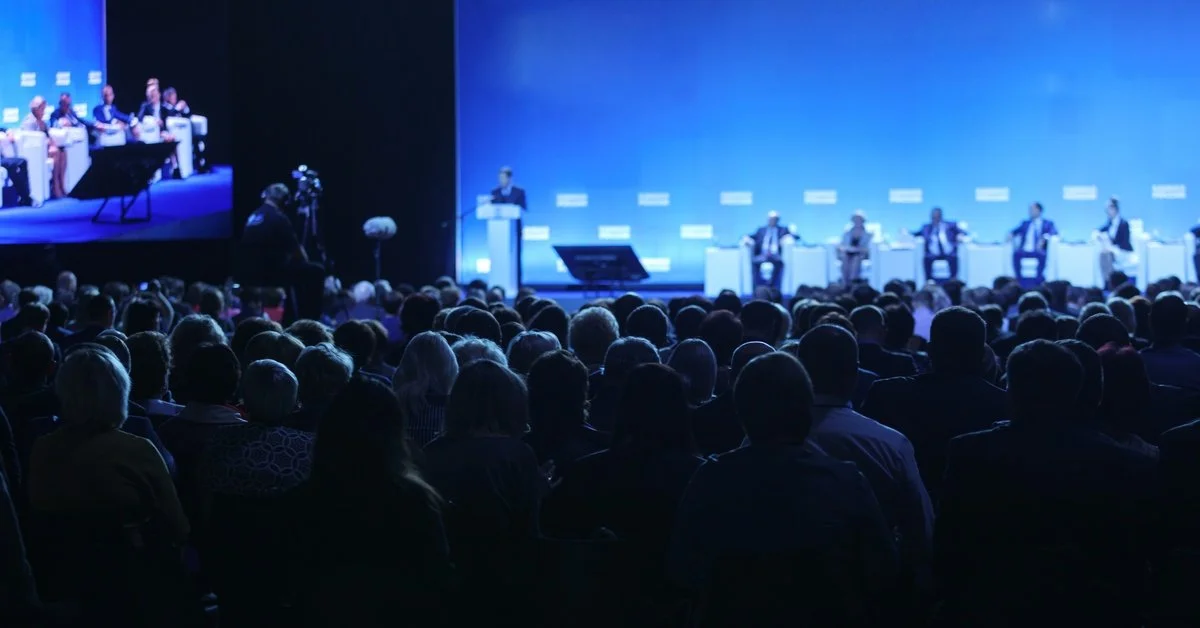
The debate between in-person and virtual gatherings has settled into a comfortable middle ground. Hybrid models combine the energy of live attendance with the accessibility of digital participation. This approach allows organizations to extend their reach globally without sacrificing the intimacy of face-to-face interaction. Organizers now design parallel tracks that engage both audiences simultaneously, ensuring remote participants feel just as involved as those in the room. Advanced streaming platforms and interactive tools bridge the gap, creating a unified community regardless of physical location.
Sustainability Takes Center Stage
Environmental responsibility has moved from a niche concern to a fundamental requirement. Corporate attendees are increasingly conscious of their carbon footprint and expect the events they attend to reflect those values. We see a significant move towards zero-waste initiatives, locally sourced catering, and digital-only collateral. Venues that prioritize green practices are in high demand. Companies are not just reducing waste; they are actively measuring the environmental impact of their gatherings and seeking ways to offset it. This commitment to sustainability enhances brand reputation and aligns with the values of modern professionals.
Wellness Activities Enhance Engagement
The days of back-to-back sessions with little downtime are fading. Mental and physical well-being now play a crucial role in event agendas. Planners incorporate mindfulness breaks, yoga sessions, and healthy food options to keep energy levels high. A focus on wellness acknowledges that attendees perform better when they feel their best. Designated quiet zones and hydration stations are becoming standard features. By prioritizing health, organizations demonstrate care for their employees and guests, fostering a more positive and productive environment.
Immersive Technology Transforms Experiences
Passive consumption of content creates bored audiences. To combat engagement fatigue, organizers are turning to immersive technologies like virtual reality (VR) and augmented reality (AR). These tools transport attendees to new worlds, visualize complex data in 3D, or gamify the networking process. Interactive projection mapping can turn a blank wall into a dynamic storytelling canvas. The goal is to create moments of awe that leave a lasting impression. When participants actively interact with the event environment, they retain information better and form stronger emotional connections with the brand.
Personalization Drives Attendee Satisfaction
One size rarely fits all in the modern corporate world. Data and technology now allow for hyper-personalized attendee journeys. From curated session recommendations to dietary preferences, every touchpoint can be tailored to the individual. Mobile apps play a huge role here, delivering real-time updates and personalized schedules directly to user devices. This level of attention to detail makes guests feel valued and understood. It transforms a generic corporate function into a bespoke experience that speaks directly to an individual's professional goals and interests.
Micro-Events Facilitate Deeper Connections
While massive conferences still have their place, we observe a rising preference for smaller, more frequent gatherings. These "micro-events" focus on specific topics or niche groups within an organization. The intimate setting encourages open dialogue and stronger relationship building. Participants feel more comfortable sharing ideas and asking questions in a room of fifty peers than in a hall of five thousand. These targeted events often yield higher engagement rates and provide more actionable insights for leadership.
Data Analytics Inform Strategic Decisions
Gut feelings no longer drive event strategy. Robust data analytics provide concrete evidence of what works and what fails. Organizers track metrics such as session attendance, app engagement, and lead generation in real-time. This data-driven approach allows for agile adjustments during the event and comprehensive post-event analysis. Understanding attendee behavior helps justify budgets and refine future strategies. It turns event planning from a creative art into a precise science, ensuring that every dollar spent contributes to the organization's broader objectives.

Inclusivity Becomes a Standard Practice
Diversity, equity, and inclusion are pillars of modern corporate culture, and events must reflect this. This goes beyond speaker selection to include accessible venue design, live captioning, and prayer rooms. Organizers are proactively removing barriers to entry to ensure everyone feels welcome and able to participate fully. An inclusive event considers neurodiversity, offering sensory-friendly spaces and clear communication channels. When everyone belongs, the exchange of ideas becomes richer and more innovative.
Non-Traditional Venues Spark Creativity
The setting sets the tone. Boredom often stems from the predictability of windowless hotel ballrooms. To counter this, companies are selecting unique, non-traditional venues that inspire creativity. Museums, art galleries, industrial warehouses, and outdoor spaces offer fresh backdrops for corporate gatherings. These environments break down formal barriers and encourage unconventional thinking. A distinctive venue acts as a conversation starter and makes the event memorable before the first speaker even takes the stage.
Authentic Networking Replaces Forced Interactions
The awkward exchange of business cards is evolving into meaningful connection. Modern events facilitate networking through shared experiences rather than forced mixers. Activity-based networking, such as group workshops or community service projects, provides a natural context for interaction. This approach takes the pressure off individuals to "perform" and allows relationships to develop organically. When people bond over a shared task or passion, the professional connection follows naturally.
Professional Support Elevates Execution
Executing complex, trend-driven events requires specialized skills and resources. Many organizations find that partnering with an event planning agency ensures seamless delivery. These professionals bring expertise in logistics, vendor management, and creative design that internal teams may lack. External partners stay abreast of the latest technologies and sustainability practices, bringing fresh perspectives to the table. Relying on experts allows internal stakeholders to focus on the content and strategy while leaving the operational heavy lifting to those who do it best.
Partnering for Future Success
The trends shaping corporate events point towards a future that is more human-centric, technologically advanced, and socially responsible. Organizations that embrace these shifts will not only host better events but will also build stronger cultures and brands. The focus has moved from logistics to experience, from attendance to engagement.
Navigating these changes requires a willingness to experiment and a commitment to quality. Whether it is adopting a hybrid model, investing in wellness, or choosing a unique venue, every decision should serve the ultimate goal of connecting people meaningfully. As we look forward, the most successful events will be those that make attendees feel seen, heard, and inspired.