

Maximizing ROI With High-Impact Event Design
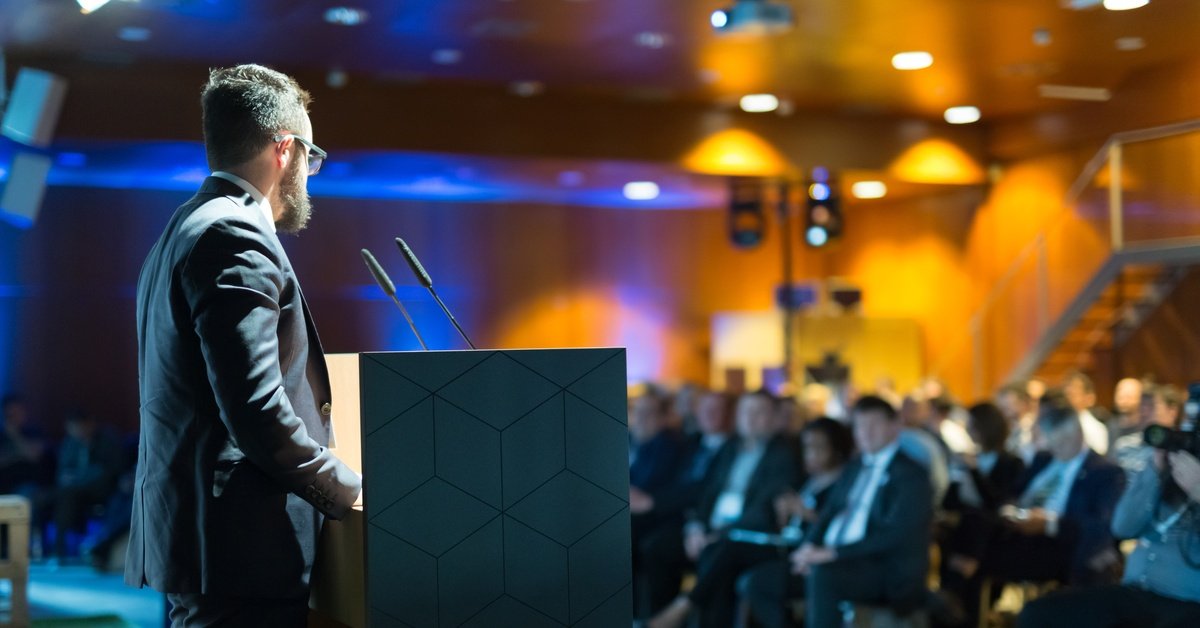
Corporate events represent significant investments. Whether launching a product, hosting a conference, or celebrating a company milestone, organizations allocate substantial resources to these gatherings. However, simply hosting an event does not guarantee a return on investment (ROI). True value emerges when strategic design aligns with business objectives, creating an experience that resonates with attendees long after the lights go down.
Maximizing ROI through high-impact event design goes beyond aesthetics. It serves as a powerful tool to drive engagement, foster connections, and ultimately, deliver measurable results. By prioritizing purposeful design elements, organizations can transform standard corporate gatherings into strategic assets that generate tangible value.
Align Design With Strategic Objectives
The foundation of a high-ROI event lies in clarity of purpose. Before selecting a venue or approving a catering menu, organizers must define specific goals. Are you aiming to generate leads, boost employee morale, or position your brand as an industry leader? Every design choice should directly support these objectives.
If the goal involves networking, the layout must facilitate conversation. Intimate seating arrangements and quiet zones encourage interaction more effectively than loud, crowded spaces. Conversely, if brand awareness is the priority, visual branding should be immersive and shareable, encouraging attendees to post on social media. Aligning design with strategy ensures that every dollar spent contributes to the desired outcome.
Create Immersive Brand Experiences
Passive attendance is a relic of the past. Modern audiences expect immersion. High-impact design engages attendees from the moment they arrive, transporting them into the brand's world. This requires a cohesive visual identity that extends beyond logos on screens.
Consider the entire sensory experience. Lighting, sound, and even scent play crucial roles in shaping perception. A tech company might utilize sleek, futuristic lighting and interactive digital displays to convey innovation. A wellness brand might opt for natural light, calming soundscapes, and organic textures. Creative event services can help translate abstract brand values into tangible environments, ensuring that the physical space reinforces the brand narrative at every touchpoint.
Optimize Flow And Navigation
Confusion kills engagement. If attendees struggle to find breakout sessions or restrooms, their frustration will overshadow the content. Effective event design prioritizes intuitive navigation and seamless flow.
Clear signage is important, but layout dictates movement. Wide walkways prevent bottlenecks, while strategically placed landmarks help attendees orient themselves. Consider the attendee journey from entry to exit. Is the registration process streamlined? Is the transition from the keynote to the reception smooth? Removing friction points allows attendees to focus on the message rather than the logistics, leading to a more positive and productive experience.

Leverage Technology For Engagement
Technology serves as a potent enabler of ROI when applied thoughtfully. It should enhance, not distract from, the human connection. Mobile apps facilitate networking, allowing attendees to schedule meetings and exchange contact information effortlessly. Live polling and Q&A features during sessions democratize participation, giving every attendee a voice.
Beyond utility, technology can create "wow" moments. Augmented reality (AR) or virtual reality (VR) stations offer interactive ways to explore products or services. These memorable interactions deepen engagement and increase the likelihood of post-event recall. However, technology must always serve a purpose; gratuitous tech usage often results in wasted budget without added value.
Design For Content Consumption
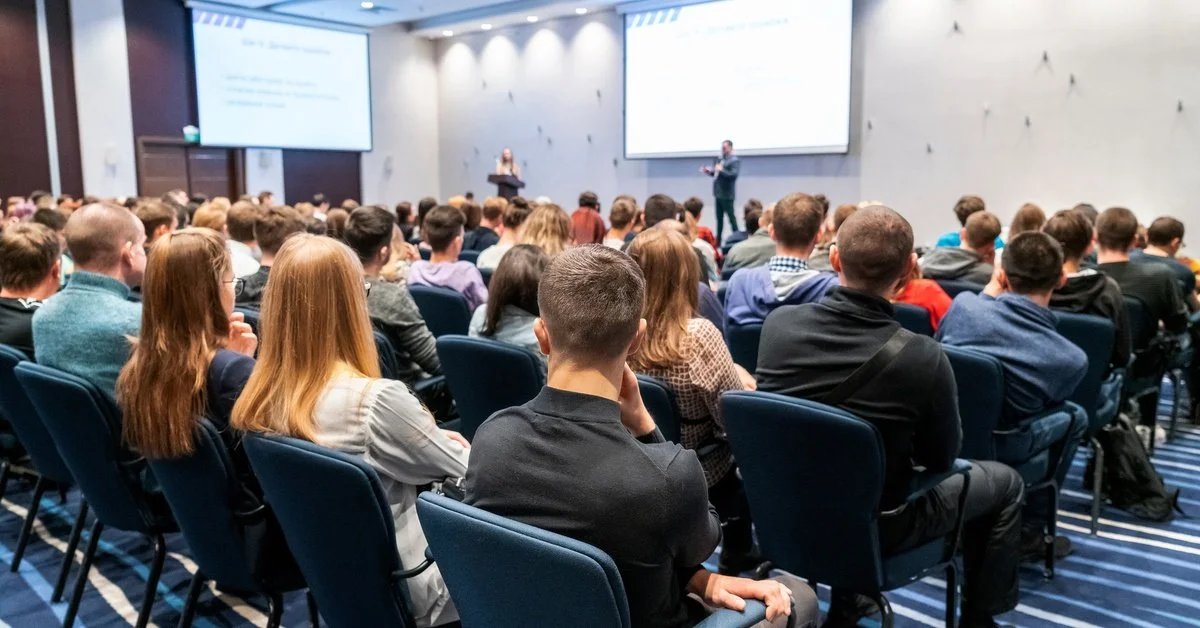
The primary reason many people attend events is to learn. Therefore, the environment must support content consumption. The design of the stage, seating, and audiovisual setup significantly impacts how information is received and retained.
Sightlines matter. Every seat in the house should offer a clear view of the speaker and the screen. High-quality audio ensures that the message is heard clearly, without strain. Lighting should focus attention on the stage without blinding the audience. Providing comfortable seating encourages attendees to stay focused during lengthy sessions. When the physical environment supports learning, attendees retain more information, increasing the event's educational value.
Foster Meaningful Networking Opportunities
Networking is often cited as the top reason for attending corporate events. High-impact design actively facilitates these connections rather than leaving them to chance.
Ditch the standard banquet rounds which limit conversation to a small group. diverse seating options—such as high-top tables, lounge areas, and communal benches—encourage mingling. Designated networking zones with lower ambient noise levels allow for deeper conversations. Structured networking activities, supported by the spatial design, can also help break the ice. By making it easy for attendees to connect, you increase the value they derive from the event, which reflects positively on the host organization.
Incorporate Sustainable Design Practices
Sustainability is no longer a niche preference; it is a business imperative. Incorporating eco-friendly design practices demonstrates corporate responsibility and resonates with values-driven attendees.
Reduce waste by using digital signage instead of paper handouts. Choose reusable or biodegradable decor elements. Partner with venues and caterers who prioritize sustainability. These choices not only reduce the event's environmental footprint but also enhance the brand's reputation. Attendees increasingly favor organizations that demonstrate a commitment to the planet, making sustainability a key factor in long-term brand loyalty and ROI.
Maximize Social Media Shareability
An event's reach extends far beyond the physical venue. Design elements that encourage social sharing amplify the event's impact and ROI. "Instagrammable" moments—visually striking installations or backdrops—prompt attendees to share their experience online.
Make sure that branding is visible in these shared photos but not intrusive. creating a specific event hashtag and displaying live social feeds encourages participation. When attendees share their positive experiences, they become brand ambassadors, extending the event's reach to their networks. This organic promotion generates valuable exposure and social proof, contributing significantly to the overall ROI.
Personalize The Attendee Experience
One size rarely fits all. Personalization demonstrates that the host values individual attendees, fostering a deeper connection. Data gathered during registration can inform design choices.
Personalized agendas, tailored content tracks, or even customized welcome gifts make attendees feel seen and appreciated. Technology can facilitate this at scale, such as using RFID badges to trigger personalized greetings or content recommendations on digital screens. By catering to individual needs and preferences, organizations create a more relevant and impactful experience, increasing attendee satisfaction and loyalty.
Measure And Analyze Performance
To maximize ROI, you must measure it. High-impact design includes mechanisms for data collection and analysis. This goes beyond counting heads.
Track engagement levels through app usage, session attendance, and social media activity. Post-event surveys provide qualitative feedback on the design and overall experience. Analyze this data against the initial strategic objectives. Did the layout facilitate the desired number of leads? Did the branding result in increased social mentions? Specific metrics allow organizations to identify what worked and what didn't, informing future design decisions and ensuring continuous improvement in event ROI.
Elevate Your Next Corporate Gathering
Strategic design transforms events from simple gatherings into powerful business drivers. By aligning every element with organizational goals, fostering engagement, and leveraging technology, companies can unlock significant value.
Investing in high-impact event design is not merely about aesthetics; it is a strategic decision that directly influences the bottom line. From the initial concept to the final analysis, purposeful design ensures that every event delivers a measurable return, strengthening brand equity and driving business success. Prioritizing these elements creates experiences that resonate, inspire, and deliver lasting results.