

The Complete Guide to Determining Your Event Budget
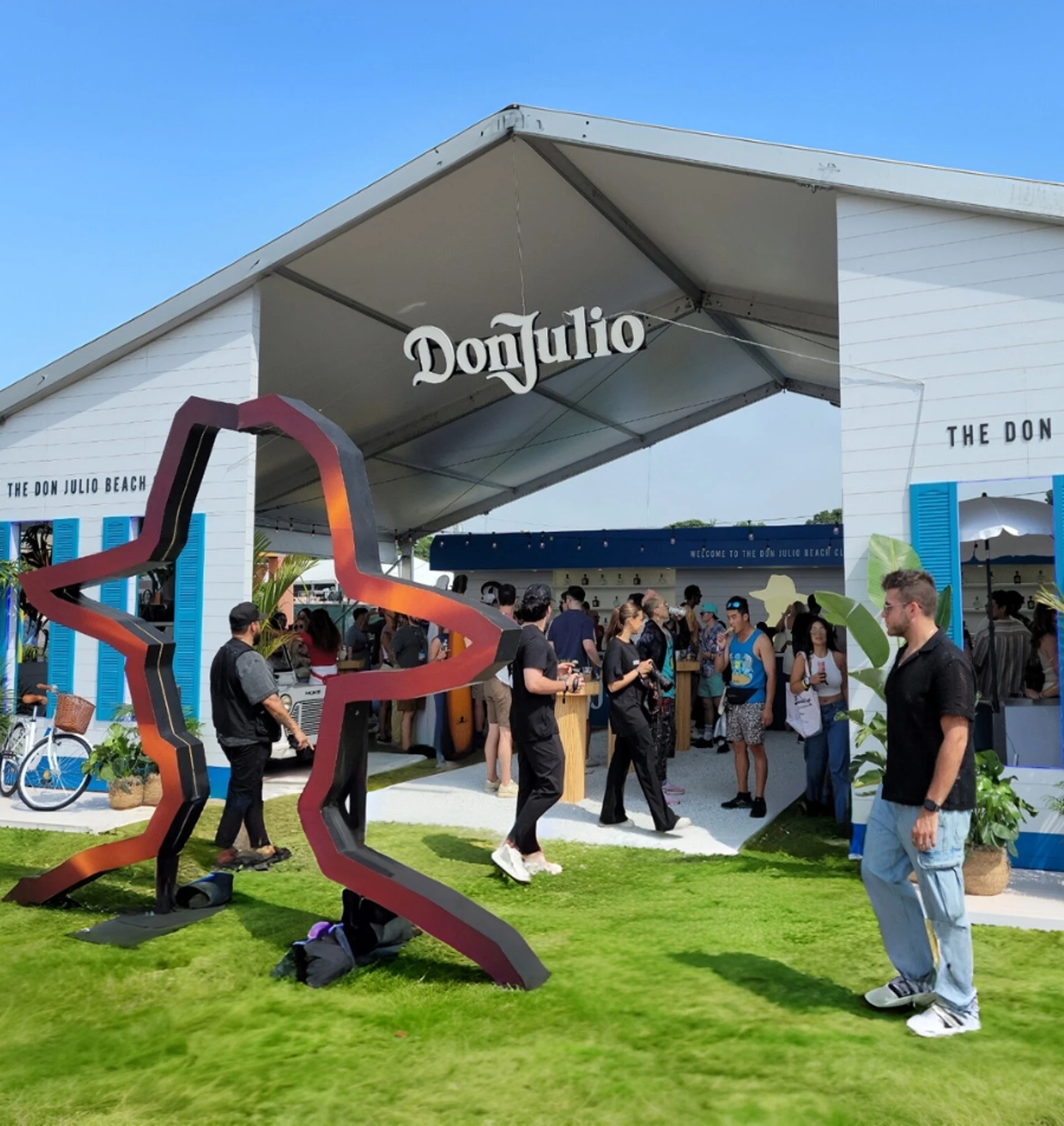
Planning an event starts with exciting ideas, but every creative decision eventually connects to the same practical question: What can you afford? A well-planned event budget gives your team a framework for making choices without losing sight of the experience you want to create.
Start With the Purpose of Your Event
Before assigning numbers to individual expenses, define what the event needs to accomplish. A product launch may prioritize immersive branding and guest engagement, while an employee appreciation event may put more emphasis on entertainment and hospitality.
Your goals help determine where your money can make the greatest impact. Write those priorities down before requesting proposals. A simple ranking can help your team evaluate options consistently when attractive ideas begin competing for the same dollars.
Determine Your Total Available Budget
Establish the maximum amount your organization can realistically spend.
Make sure you understand what that total needs to cover. Some organizations may have separate budgets for marketing or travel, while others need one event budget to account for nearly everything.
Estimate Your Guest Count Early
Guest count affects far more than food and beverages. A larger audience may require a bigger venue, additional furniture, more staff, larger restrooms, expanded transportation options, or increased production support.
Identify Your Essential Event Costs
Separate necessities from enhancements before you start adding creative extras.
Your core categories might include:
Venue or site costs
Food and beverage service
Production and audiovisual needs
Rentals and event infrastructure
Staffing and security
Transportation or logistics
Entertainment
Décor and branding
Once you understand the core expenses, you can see how much flexibility remains for upgrades or optional experiences.
Research Realistic Costs Instead of Guessing
Research typical costs for the services, rentals, and production elements your event requires.
Request quotes when you have enough information to give vendors a clear scope. Pricing can depend on event location, duration, guest count, labor requirements, equipment needs, and installation complexity.
Prioritize Spending Based on Guest Impact
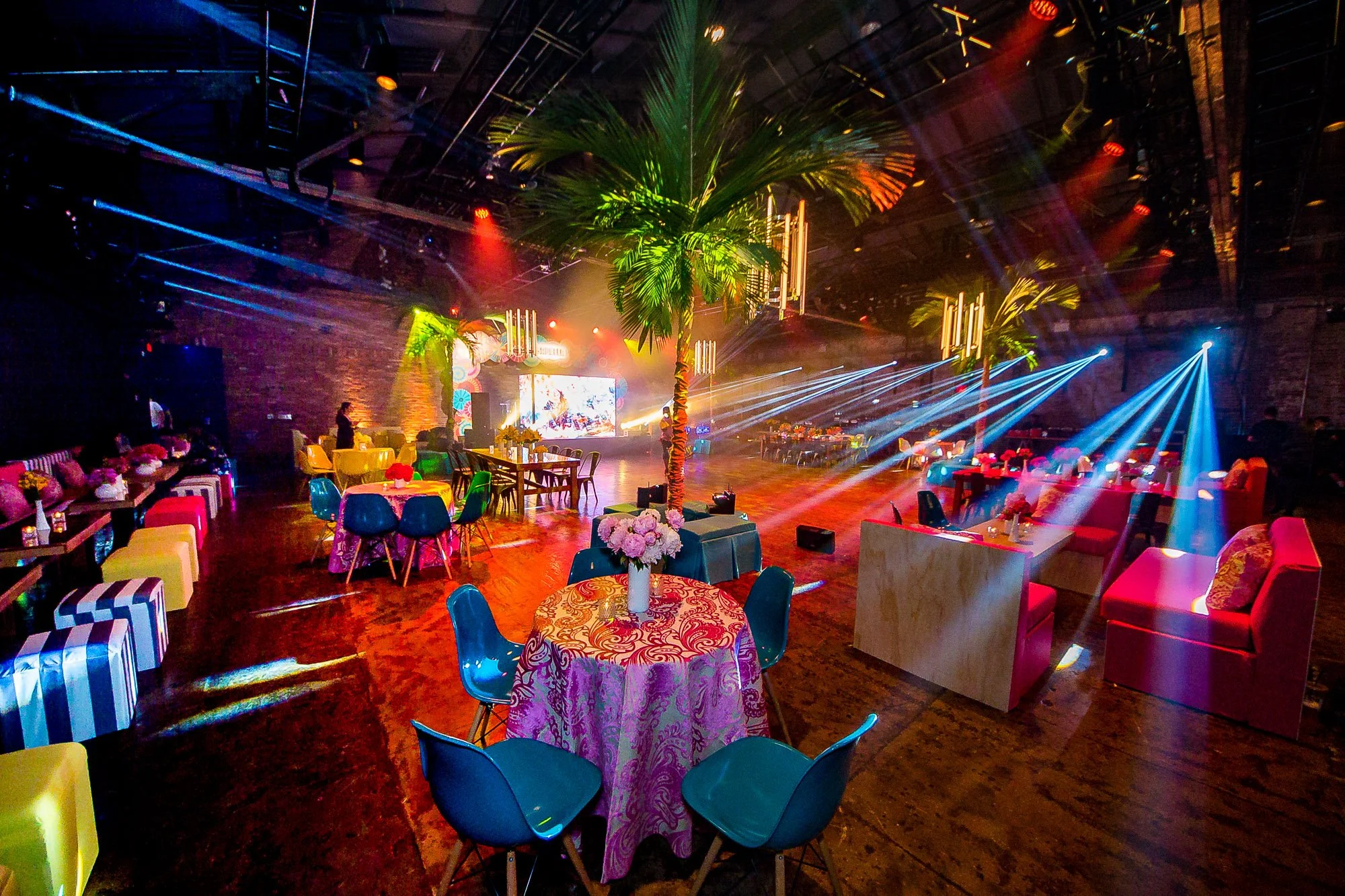
Not every expense contributes equally to the guest experience. Decide which elements will shape how attendees interact with the event and what they are likely to remember afterward.
For one event, high-quality sound and staging may deserve a larger share of the budget. Another event may benefit more from interactive entertainment or distinctive décor.
Account for Venue-Related Expenses
A venue price rarely tells the entire financial story. Ask what the rental fee includes and what you will need to source separately.
Consider costs such as power, internet access, cleaning, security, loading access, parking, permits, and required staffing. If you choose an outdoor or nontraditional space, you may also need tents, flooring, generators, climate control, or temporary restrooms.
Build Production Needs Into the Budget
Production can shape how professional and engaging an event feels. Sound, lighting, video, staging, power, rigging, and technical labor may represent a significant portion of the overall budget, especially for conferences and branded experiences.
Define production requirements early enough to avoid treating them as last-minute additions. Consider what guests need to see and hear clearly, along with what speakers, performers, or sponsors expect.
Consider Labor, Delivery, and Setup Costs
Equipment prices only tell part of the story. Many event elements require delivery, installation, operation, breakdown, or pickup.
Labor needs can change based on access restrictions and setup windows. A venue with limited loading access or a short installation period may require more crew members to complete the work on time.
Plan for Entertainment and Experiences
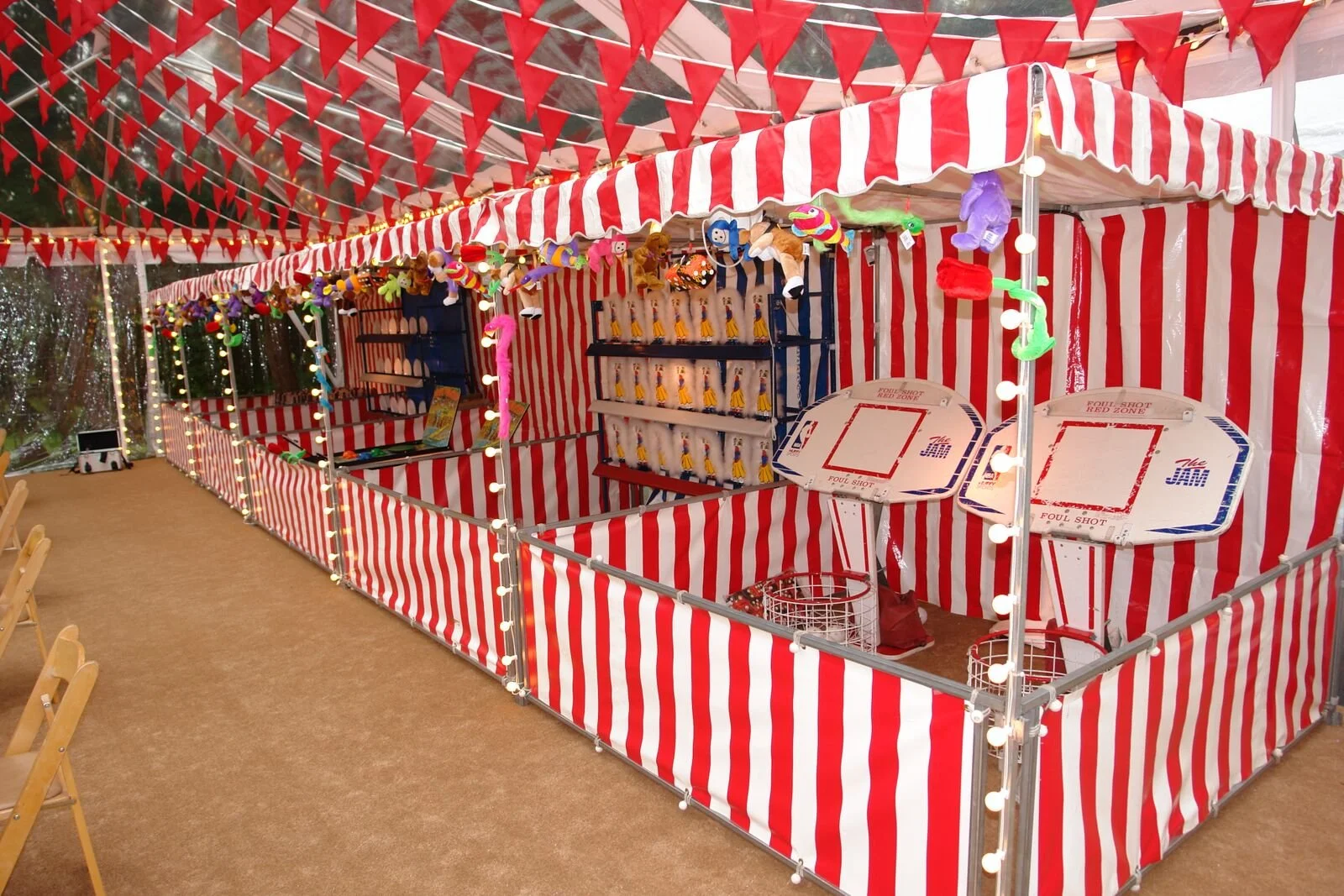
Entertainment can turn a standard gathering into a more memorable experience, but costs vary widely depending on the concept. Live performers, interactive games, immersive installations, photo experiences, and specialty attractions may require additional staffing or technical support.
Start with the role entertainment should play. Do you want to energize a crowd, encourage networking, reinforce a brand, or give guests an activity between scheduled moments?
Include Branding and Décor Expenses
Visual details can connect the event environment to your organization or campaign. Signage, scenic elements, custom graphics, branded structures, furniture, and lighting can all contribute to a cohesive atmosphere.
Custom work often requires design time and production lead time in addition to fabrication or installation costs. Include those steps in your budget from the beginning.
Set Aside a Contingency Fund
Even careful planning cannot predict every expense. Changes in attendance, weather concerns, schedule adjustments, additional labor, or last-minute equipment needs can affect the final total.
Reserve part of your budget for unexpected costs rather than allocating every available dollar immediately. Treat that reserve as protection, not as money waiting for an upgrade. Keep it available until the major logistical details and final attendance become clear.
Compare Proposals by Scope, Not Price Alone
The lowest quote does not always represent the lowest final cost. One vendor may include delivery and setup, while another lists those services separately. Equipment quality, staffing levels, service hours, and support can also differ.
Review each proposal line by line and confirm what the price covers. Ask questions about exclusions and possible additional charges.
Track Changes Throughout the Planning Process
An event budget should remain active from the first estimate through final reconciliation. Assign one person or team to maintain the working version so everyone makes decisions from the same numbers.
Update it whenever you approve a vendor, change the guest count, add a service, or revise the event scope.
Track estimated costs beside committed and actual costs so you can see where the budget stands at any point.
Know Where to Scale Back
Budget changes do not always require sacrificing the event's central idea. If costs begin to exceed your limit, return to your original priorities and identify areas with less impact.
You might simplify a custom décor element, adjust rental quantities, or choose an entertainment option with fewer technical requirements. Strategic reductions can preserve the parts of the event that matter most to your goals and your guests.
Bring Key Partners Into Budget Conversations Early
Your venue, vendors, production team, and event planning agency can provide valuable information about feasibility and cost before you commit to a concept.
Share your priorities and financial parameters clearly.
Create a Budget That Supports the Experience
Determining your event budget brings financial discipline and creative planning together. It helps your team understand where resources should go, which decisions deserve priority, and when adjustments make sense.
NYFF Events supports corporate, campus, social, and experiential events with capabilities that can scale to different event needs. When you understand your budget early and continue managing it throughout planning, you can make confident choices that support both the event's purpose and the experience your guests receive.