

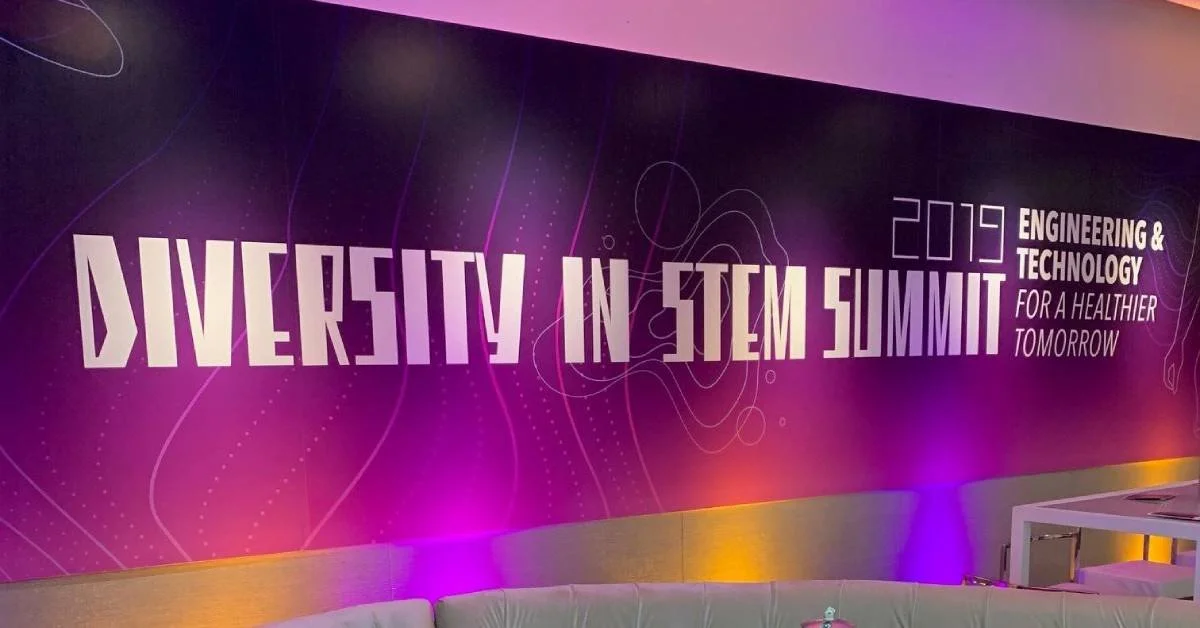
When people think about event planning, they often focus on the venue, entertainment, catering, or logistics. While those elements play important roles, graphic design influences nearly every part of the attendee experience. Strong visual design shapes first impressions, reinforces branding, improves communication, and helps guests connect with your event long before they arrive.
Whether you are organizing a corporate conference, product launch, fundraising gala, university program, or experiential activation, graphic design creates a visual language that supports your goals. Every sign, digital invitation, presentation slide, and branded asset contributes to the overall experience.
Understanding how graphic design impacts events can help planners create more engaging and memorable experiences for attendees.
Why Graphic Design Matters for Events
Graphic design serves as more than decoration. It helps communicate information, establish credibility, and create emotional connections with attendees.
When event visuals remain consistent across all touchpoints, guests feel more confident about the experience. Consistent design also helps attendees recognize important information quickly and navigate the event with ease.
Strong design brings together every visual element into a cohesive experience that feels intentional and professional.
Creating a Strong First Impression
Attendees often encounter your event for the first time through visual materials.
Event websites, email invitations, social media graphics, registration pages, and promotional advertisements all influence how people perceive your event before they attend.
Professional graphic design immediately communicates quality and attention to detail. Clean layouts, effective typography, and thoughtful branding signal that organizers have invested in creating a valuable experience.
When first impressions feel polished and organized, potential attendees often feel more confident about registering.
Supporting Event Branding
Every successful event benefits from a clear and recognizable brand identity.
Graphic design helps establish that identity through:
Logos and event marks
Color palettes
Typography selections
Visual themes
Marketing materials
When organizers maintain consistency across these elements, attendees experience a stronger sense of familiarity and recognition.
Branded visuals also help differentiate events from competitors. This distinction becomes especially important for recurring conferences, annual fundraisers, and large corporate gatherings.

Improving Communication With Attendees
Events involve a significant amount of information. Attendees need details about schedules, locations, speakers, activities, and logistics.
Graphic design makes information easier to understand and process.
Well-designed agendas, directional signs, maps, digital displays, and mobile app graphics help attendees find what they need quickly. Clear visual hierarchy guides attention toward the most important details.
When information feels easy to access, attendees spend less time feeling confused and more time enjoying the event.
Enhancing Event Marketing Efforts
Graphic design plays a major role in event promotion.
Marketing campaigns rely heavily on visuals to capture attention across digital and traditional channels. Social media posts, banner advertisements, email campaigns, landing pages, and printed materials all benefit from professional design.
Eye-catching visuals encourage engagement and improve brand recognition. They also help maintain consistency across marketing channels.
When people repeatedly encounter cohesive event branding, they become more likely to remember the event and take action.
Building Excitement Before the Event
Graphic design helps create anticipation during the weeks and months leading up to an event.
Countdown graphics, teaser campaigns, speaker announcements, and promotional videos all contribute to audience excitement. These visual assets create momentum and encourage attendees to stay engaged before arrival.
A consistent visual identity across pre-event communications helps build familiarity while reinforcing the event's message.
As excitement grows, attendees often become more invested in participating and sharing the event with others.
Strengthening Sponsor Visibility
Sponsors often play a critical role in event success.
Graphic design helps maximize sponsor exposure while maintaining a professional attendee experience. Branded signage, digital displays, stage graphics, event programs, and promotional materials all provide opportunities to showcase sponsor partnerships.
Thoughtful design ensures sponsor logos receive visibility without overwhelming the overall event branding.
Balanced integration benefits both sponsors and attendees while supporting long-term partnership opportunities.
Improving Wayfinding and Navigation
Large events can quickly become overwhelming without clear navigation systems.
Graphic design helps attendees move confidently throughout the venue. Directional signage, floor plans, room identifiers, registration graphics, and digital wayfinding displays all contribute to a smoother experience.
Effective wayfinding reduces confusion and minimizes congestion in high traffic areas.
When attendees can easily find sessions, exhibits, dining areas, and networking spaces, they enjoy a more positive overall experience.
Creating More Memorable Experiences
Memorable events often share one common characteristic: strong visual storytelling.
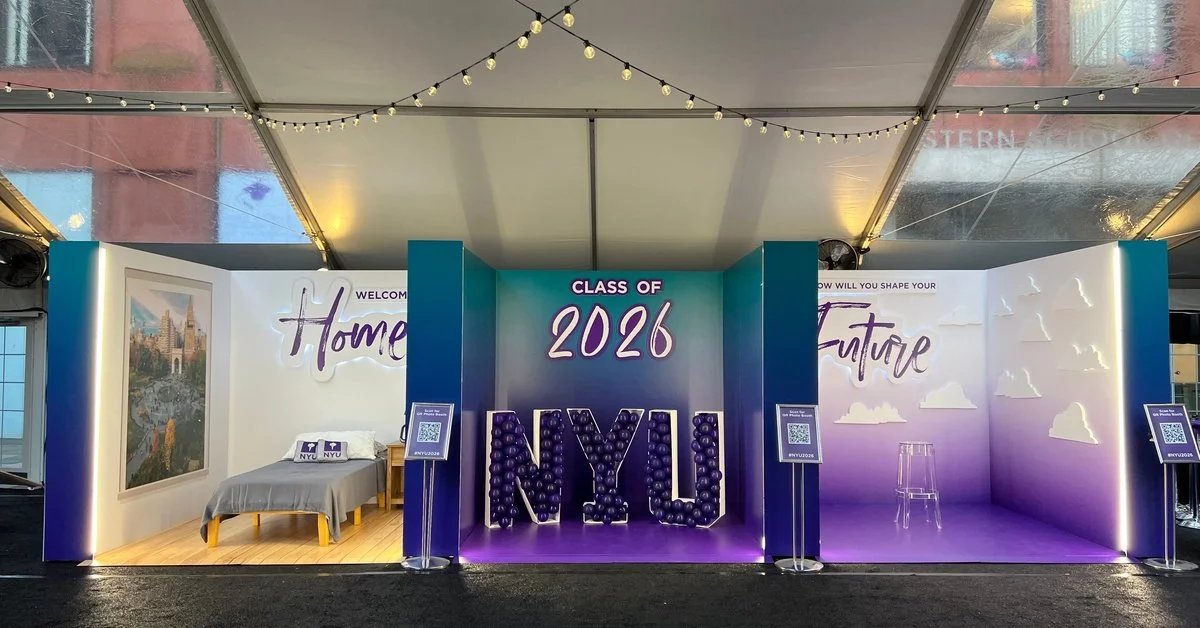
Graphic design helps create immersive environments that support event themes and objectives. Visual elements can reinforce key messages, showcase organizational values, and create emotional connections with attendees.
From stage backdrops to environmental graphics, design contributes to the atmosphere attendees experience throughout the event.
These visual moments often become the images attendees remember long after the event concludes.
Supporting Social Media Engagement
Attendees frequently share photos and videos during events.
Graphic design helps create content worthy environments that encourage organic social sharing. Branded photo opportunities, digital displays, presentation graphics, and custom installations provide attendees with visually appealing content.
Every shared image extends the event's reach beyond the venue.
When attendees post branded visuals online, they help increase awareness while generating additional exposure for organizers and sponsors.
Elevating Presentation Design
Speakers and presenters play a central role in many events.
Graphic design improves presentations by making information easier to understand and more engaging to view. Well-designed slides support the speaker's message without distracting from it.
Effective presentation graphics help attendees retain information while maintaining focus throughout sessions.
Poorly designed slides can undermine even the strongest presentations, while professional visuals can strengthen audience engagement.
Reinforcing Professionalism and Credibility
Attendees often associate event quality with visual presentation.
When event materials look polished and cohesive, guests perceive the organization as more professional and trustworthy. Consistent branding and thoughtful design demonstrate attention to detail.
This perception becomes particularly important for corporate events, conferences, and executive gatherings where reputation matters.
Many organizations partner with an event management agency to coordinate logistics and branding efforts that support a professional event experience from start to finish.
Helping Events Stand Out in Competitive Markets
Many industries host numerous conferences, trade shows, and networking events throughout the year.
Graphic design helps events establish a distinct identity that differentiates them from competitors. Unique visual themes and branding elements make events easier to recognize and remember.
Distinctive branding can influence attendance decisions, particularly when potential attendees compare multiple event options.
A strong visual identity helps communicate what makes an event unique before guests ever arrive.
Supporting Event ROI
Graphic design contributes to measurable event outcomes.
Professional visuals can improve registration performance, increase attendee engagement, strengthen sponsor relationships, and support social media visibility. These benefits often contribute to stronger overall event results.
While graphic design represents only one component of event planning, it influences many of the interactions attendees have throughout their experience.
Investing in thoughtful design often creates value across multiple stages of the event lifecycle.
Making Every Touchpoint More Effective
Every event contains dozens of attendee touchpoints. Invitations, registration confirmations, event websites, signage, presentations, sponsor materials, and post-event communications all shape perceptions.
Graphic design connects these event touchpoints into a cohesive experience. When visual elements work together, attendees encounter a clear and consistent message from beginning to end. This consistency strengthens branding, improves communication, and creates a more professional experience.