

13 Common Fabrication Mistakes Exhibitors Make
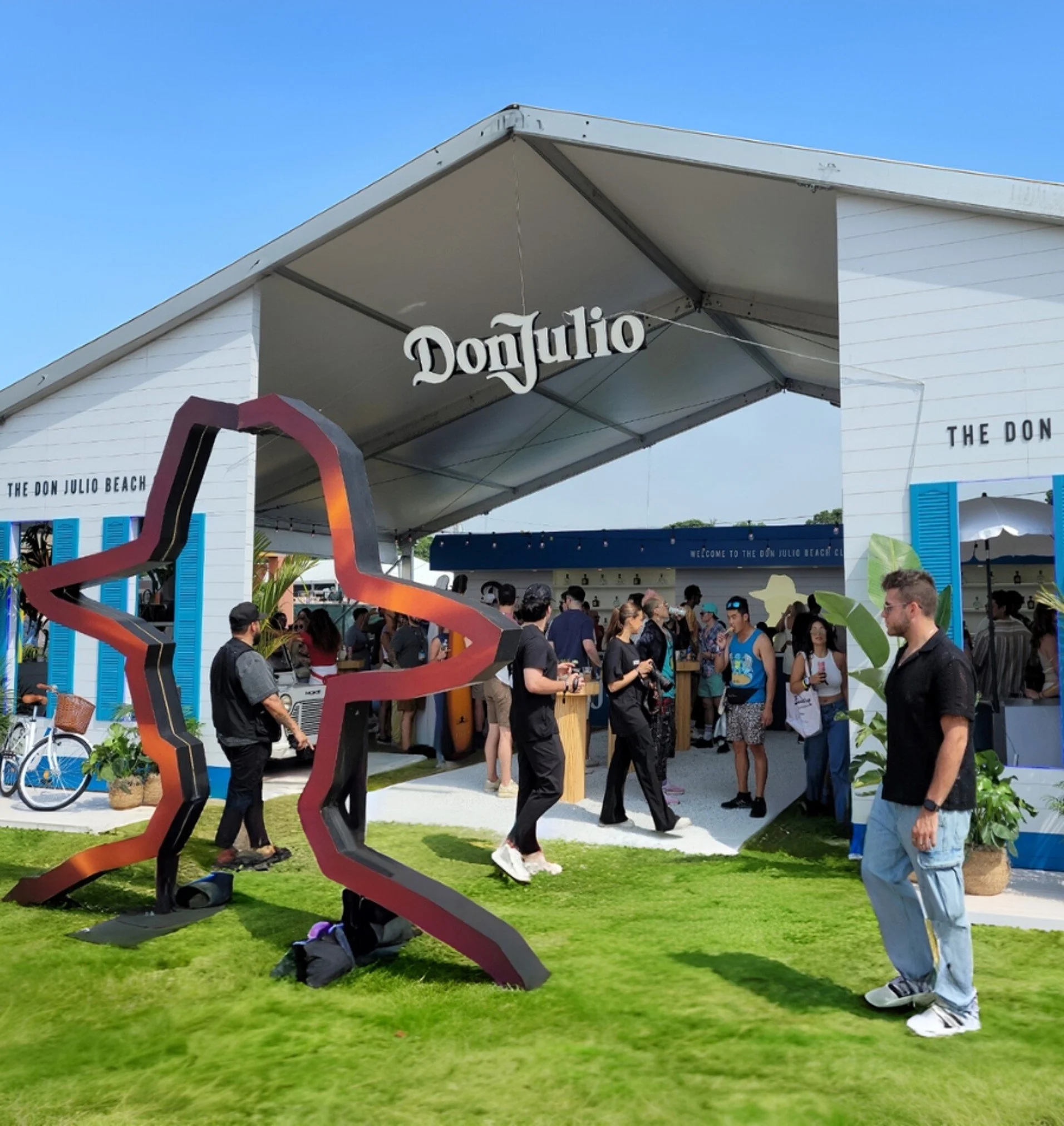
Trade shows create valuable opportunities for businesses to connect with prospects, strengthen brand awareness, and generate new leads. A well designed exhibit helps companies stand out in competitive event environments where dozens or even hundreds of brands compete for attention. However, many exhibitors invest significant resources into events only to undermine their results with avoidable fabrication mistakes.
Exhibit fabrication requires more than attractive graphics and creative ideas. Every design choice affects functionality, visitor engagement, logistics, and overall event success. Understanding common mistakes can help exhibitors create booths that support their goals while delivering a professional experience for attendees.
Failing to Define Clear Event Objectives
Many exhibitors begin the fabrication process before establishing specific event goals. Without clear objectives, design decisions often lack direction.
Some companies focus entirely on visual appeal without considering what they want attendees to do within the space. Others prioritize size instead of functionality. A successful exhibit should support measurable outcomes such as lead generation, product demonstrations, brand awareness, or customer engagement.
When objectives drive the fabrication process, every component serves a purpose.
Prioritizing Appearance Over Functionality
An exhibit can look impressive while still performing poorly.
Exhibitors sometimes choose complex structures, oversized features, or decorative elements that limit usability. Staff members may struggle to navigate the booth, store materials, or conduct meaningful conversations with visitors.
Functional design creates a better experience for both attendees and exhibitors. Booth layouts should support movement, visibility, interaction, and workflow.
Ignoring Attendee Traffic Flow
Traffic flow influences how visitors experience an exhibit.
Poorly planned layouts create bottlenecks, awkward entry points, and areas that feel crowded or inaccessible. These issues can discourage attendees from exploring the space.
Fabricators should consider how guests approach, enter, move through, and exit the booth. Open designs often encourage engagement while making the exhibit feel more welcoming.
Underestimating Space Requirements
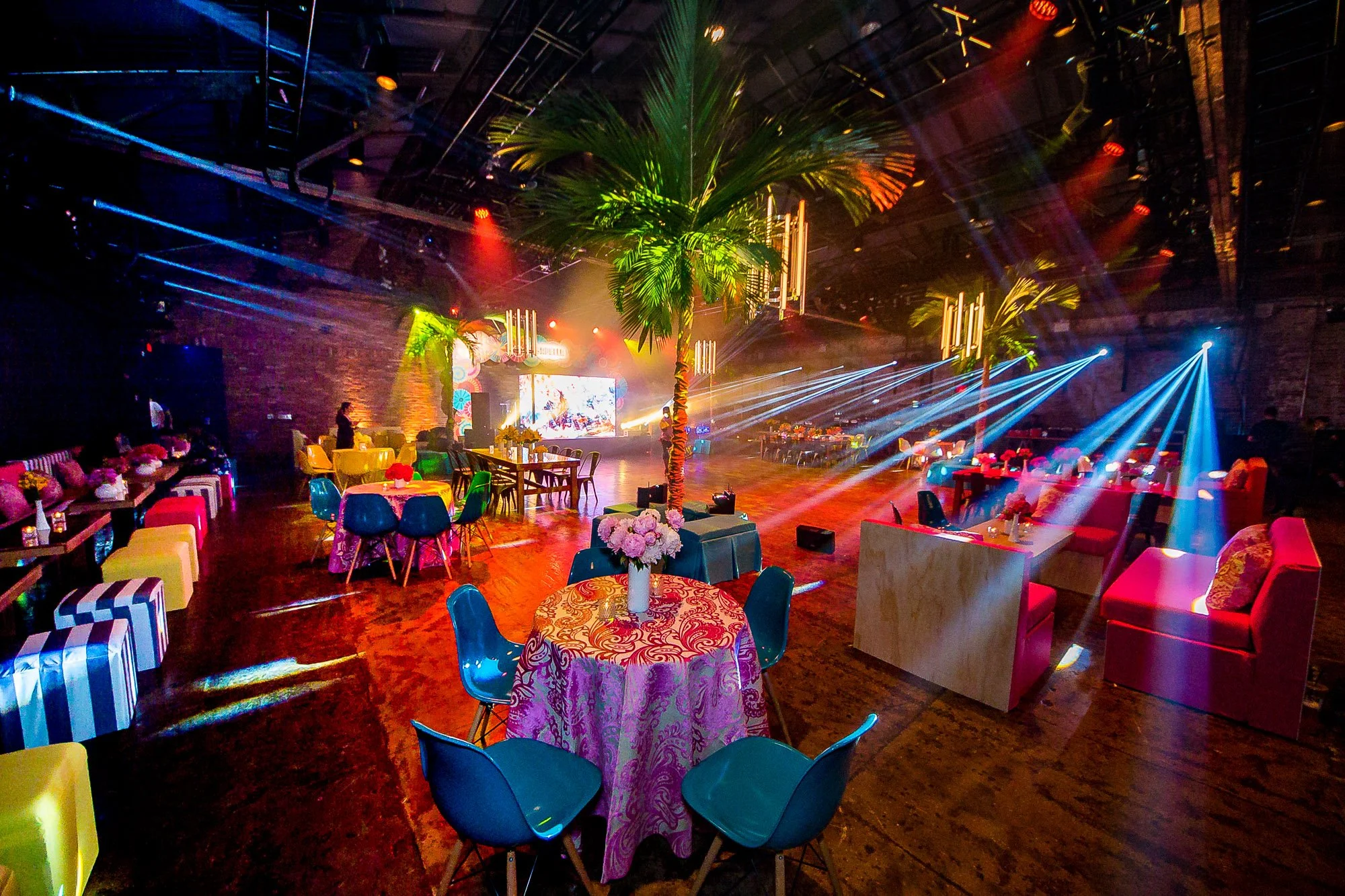
Many exhibitors attempt to maximize every square foot without considering comfort and usability.
Overcrowded booths can feel chaotic and overwhelming. Large displays, furniture, product showcases, and technology installations consume valuable floor space.
Successful exhibits balance visual impact with practical space planning. Attendees should have room to move comfortably while interacting with staff and displays.
Overlooking Storage Needs
Storage often becomes an afterthought during fabrication planning.
Event teams frequently need space for promotional materials, personal belongings, equipment cases, product inventory, and operational supplies. Without dedicated storage areas, clutter can quickly accumulate and diminish the professional appearance of the exhibit.
Integrating concealed storage solutions into booth fabrication helps maintain organization throughout the event.
Choosing Materials Without Considering Durability
Fabrication materials affect both appearance and longevity.
Some exhibitors select materials based solely on cost or aesthetics. While this approach may reduce upfront expenses, it can lead to damage during transportation, installation, or repeated event use.
Durable materials help protect the investment and maintain a polished appearance across multiple shows. Fabrication teams should evaluate how materials perform under real event conditions.
Neglecting Brand Consistency
Trade show exhibits should reflect the company's overall brand identity.
Inconsistent messaging, conflicting visual elements, or outdated graphics can confuse attendees. Visitors should immediately recognize the brand and understand its value proposition.
Consistency across colors, typography, imagery, messaging, and exhibit design strengthens recognition and reinforces professionalism.
Forgetting About Lighting
Lighting plays a critical role in exhibit performance.
Many exhibitors focus on structural fabrication while overlooking illumination. Poor lighting can make graphics appear dull, products difficult to see, and interactive areas less inviting.
Strategic lighting helps direct attention, highlight important features, and create a more engaging environment. Even a well fabricated booth can lose impact without proper lighting design.
Waiting Too Long to Begin Fabrication
Time management remains one of the most common challenges in exhibit production.
Last minute fabrication often leads to rushed decisions, limited customization options, increased costs, and unnecessary stress. Delays can also affect shipping schedules and installation timelines.
Early planning gives fabrication teams adequate time to address challenges, refine designs, and ensure quality throughout the production process.
Overcomplicating the Design
Some exhibitors assume that more features automatically create a better exhibit.
Complex structures, excessive messaging, and too many visual elements can overwhelm attendees. Visitors often make quick decisions about whether to engage with a booth.
Simple, focused designs frequently generate stronger results because they communicate key messages more effectively. Clear branding and purposeful design elements often outperform overly complicated concepts.
Failing to Account for Technology Integration
Modern exhibits often include digital displays, touchscreen experiences, charging stations, product demonstrations, and audiovisual components.
Technology requires careful planning during fabrication. Power access, cable management, equipment placement, and user interaction all influence the final design.
Ignoring these considerations can create operational issues that diminish the attendee experience.
Overlooking Installation and Dismantling Requirements
An exhibit may look impressive in renderings but present significant challenges during setup.
Complex structures can increase labor requirements, extend installation timelines, and raise costs. Difficult dismantling procedures may also create problems at the conclusion of the event.
Fabrication teams should consider how exhibits will be assembled, transported, and stored. Efficient designs often provide substantial long term benefits.
Not Planning for Future Event Use
Some exhibitors design booths for a single event without considering future applications.
This approach can limit flexibility and reduce return on investment. Modular fabrication solutions allow companies to adapt exhibit components for different booth sizes, event formats, and marketing objectives.
Planning for scalability creates greater value over time.

Common Warning Signs During the Fabrication Process
Several indicators suggest that an exhibit project may encounter challenges:
Unclear project goals
Frequent design changes
Unrealistic production timelines
Limited attention to logistics
Lack of storage planning
Overcrowded layouts
Inconsistent branding
Minimal technology coordination
Identifying these warning signs early helps exhibitors avoid costly mistakes before production begins.
Working With Experienced Fabrication Partners
Successful exhibit projects require collaboration between designers, fabricators, marketers, and event stakeholders.
Experienced fabrication professionals understand how design decisions affect functionality, transportation, installation, and attendee engagement. Their expertise helps exhibitors avoid common pitfalls while maximizing event performance.
Whether organizations participate in one trade show annually or maintain a large event schedule, professional planning contributes significantly to exhibit success.
Starting Off on the Right Foot
Exhibit fabrication involves much more than building an attractive booth. Every decision influences attendee perception, operational efficiency, and overall event outcomes. Companies that prioritize planning, functionality, branding, and long term usability position themselves for stronger results on the trade show floor.
By avoiding common mistakes and approaching trade show fabrication strategically, exhibitors can create engaging environments that support meaningful interactions and help achieve their event objectives. Successful exhibits combine creativity with practicality, ensuring that every element contributes to a positive and memorable experience.