

Transforming Event Spaces on Nonprofit Budgets
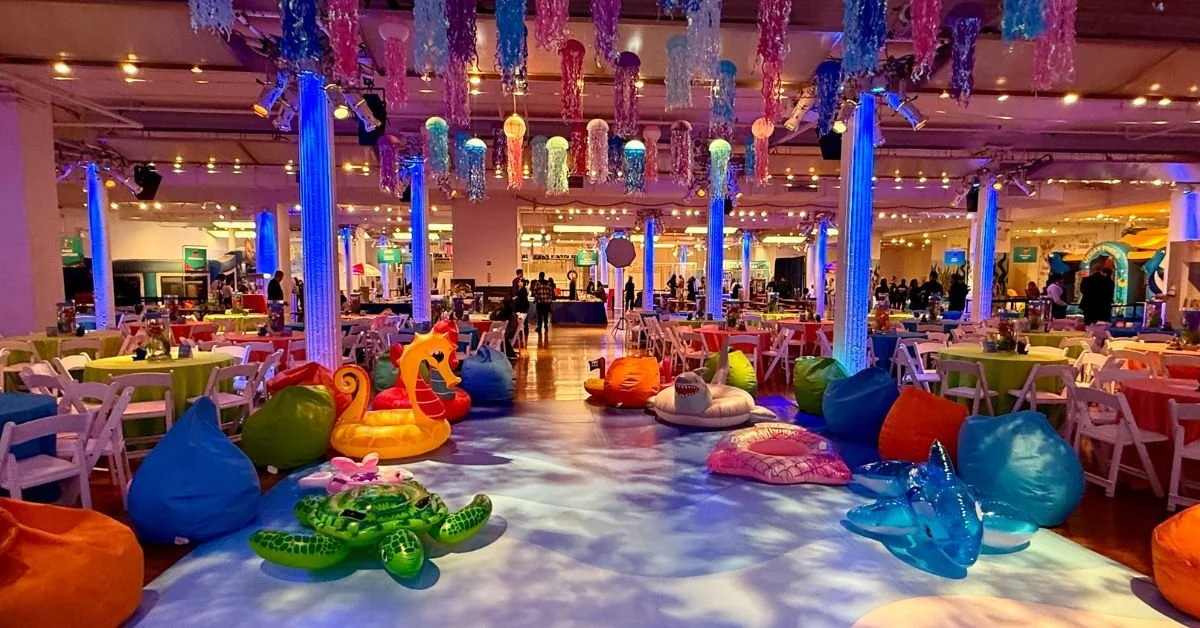
Nonprofit organizations often face a unique challenge. They need to create meaningful, engaging events while working within tight financial limits. At the same time, these events must inspire donors, energize supporters, and communicate a mission clearly.
You can still transform a space into something memorable without overspending. With the right strategy, creativity, and planning, even modest budgets can deliver powerful experiences.
Why Event Design Matters for Nonprofits
Event design shapes how guests feel the moment they arrive. It sets expectations, builds emotional connection, and reinforces your mission.
Nonprofits rely heavily on storytelling. A well-designed space helps tell that story visually and physically. Every detail, from layout to lighting, should support your purpose and message.
When you approach design intentionally, you increase engagement and encourage stronger donor relationships.
Start With a Clear Event Goal
Before making design decisions, define your primary objective. Your goal will guide every choice you make.
Ask yourself what you want attendees to do or feel. Do you want them to donate, volunteer, or simply learn more about your cause? Once you answer that, align your design with that outcome. Clear goals prevent wasted spending and help you prioritize what matters most.
Choose the Right Venue for Flexibility
The venue plays a major role in how far your budget can stretch. Some spaces require extensive transformation, while others already offer strong visual appeal.
Look for venues that include built-in features such as:
Neutral decor that adapts easily to themes
Flexible layouts for multiple event types
Existing lighting or staging elements
Furniture included in the rental
A versatile venue reduces the need for rentals and extra labor. That alone can save a significant portion of your budget.
Use Layout to Maximize Impact
Layout design costs nothing but delivers major results. Strategic placement of key elements can transform how guests experience the event.
Position focal points such as stages, auction displays, or storytelling areas where they draw attention naturally. Create clear pathways so guests move through the space with ease.
You can also define different zones for networking, dining, and activities without adding physical structures.
Focus on High Impact Visual Elements
You do not need to decorate every inch of the venue. Instead, focus on areas where guests spend the most time or where attention naturally gathers.
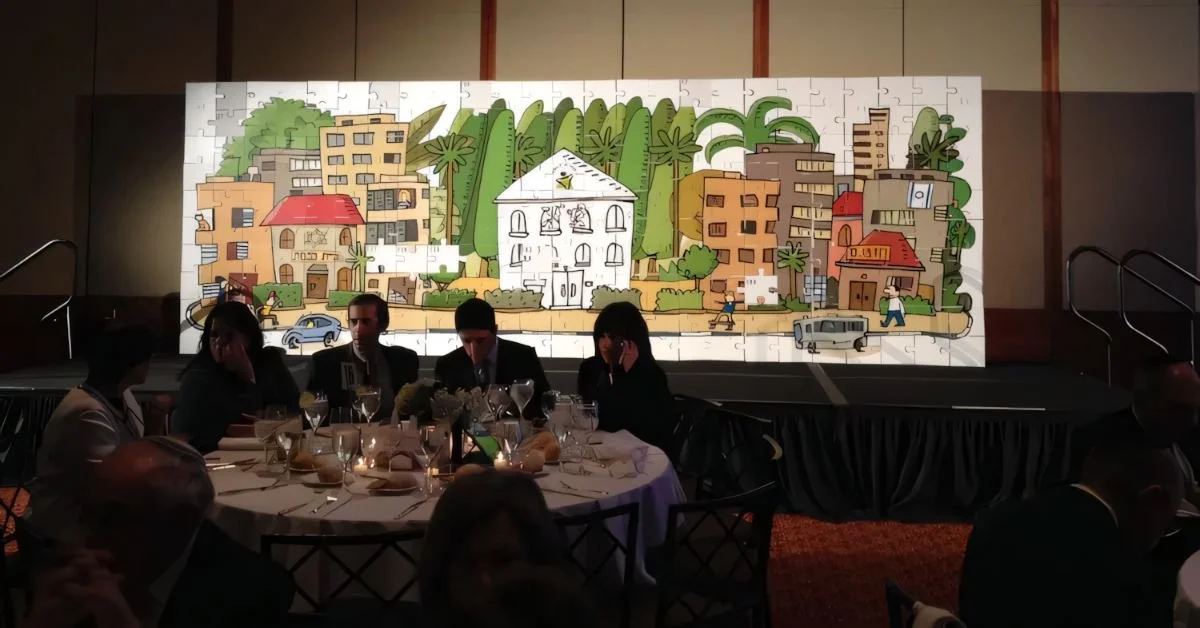
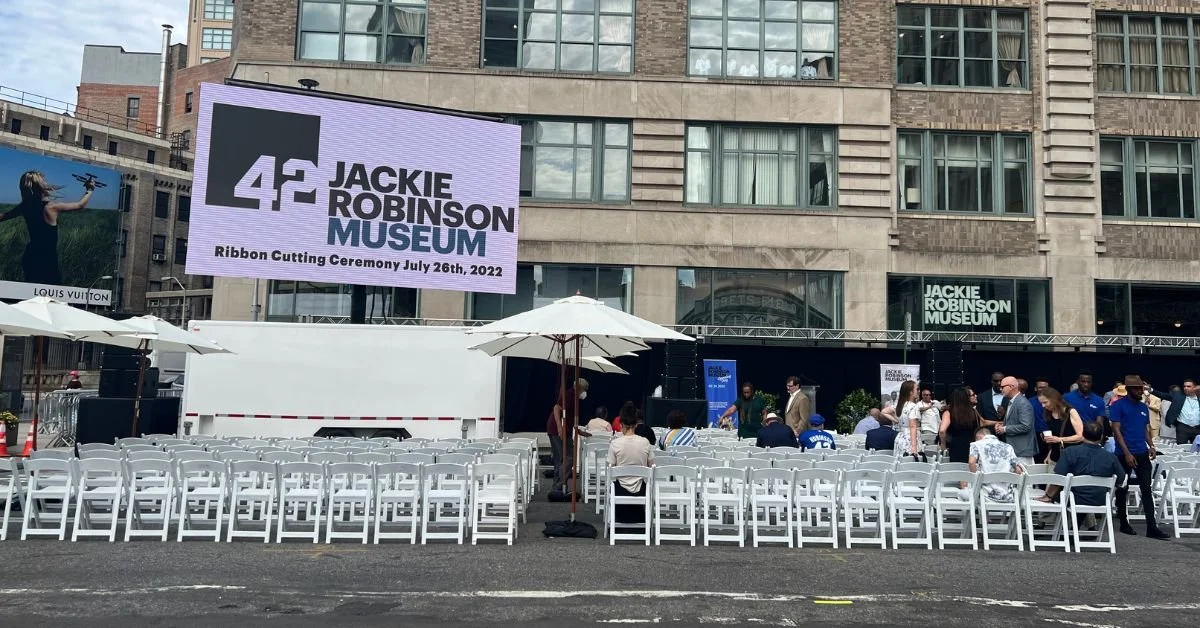
Entrance areas, stages, and central gathering spaces offer the best return on investment. Use bold but simple elements like branded signage, banners, or themed backdrops.
These focal points create a polished look without requiring a full room transformation.
Leverage Lighting for Atmosphere
Lighting remains one of the most effective and affordable ways to change a space. It can shift mood instantly and highlight key areas.
Use uplighting to add color to walls and create depth. Spotlight important areas like speakers or displays. Soft lighting can make a large space feel more intimate. Even small adjustments in lighting can elevate the entire event experience.
Incorporate Mission Driven Design
Nonprofit events should always reflect the organization’s purpose. Design elements should connect directly to your mission.
Use visuals such as photos, impact statistics, or storytelling displays. Incorporate your brand colors to create consistency and recognition.
When guests see and feel your mission throughout the space, they form a stronger emotional connection.
Use Rentals Strategically
Rentals can enhance an event, but they can also increase costs quickly. Focus on items that deliver both function and visual value.
Choose pieces that serve multiple purposes. For example, branded backdrops can act as decor and photo opportunities. Lounge seating can create comfort while defining spaces.
Work with experienced vendors who understand how to maximize impact within a limited budget.
Collaborate With the Right Partners
Strong partnerships can make a significant difference. Vendors who understand nonprofit needs often offer flexible solutions.
A skilled live event coordinator can help you prioritize spending, streamline logistics, and identify creative alternatives. Their experience allows you to avoid costly mistakes while still achieving a professional result.
Collaboration ensures that every dollar contributes to the overall experience.
Repurpose and Reuse Materials
Nonprofits can benefit greatly from reusable design elements. Investing in versatile items allows you to use them across multiple events.
Consider items such as:
Branded signage that works for various event types
Neutral linens that match different themes
Modular decor pieces that can be rearranged
Digital displays that update easily
This approach reduces long term costs and supports sustainability efforts.
Engage Sponsors in the Design
Sponsors often want visibility at events. You can integrate their branding into your design while offsetting costs.
Offer sponsorship opportunities tied to specific design elements. For example, a sponsor could support the stage design, lounge area, or entrance experience.
This strategy benefits both parties and enhances the event without additional strain on your budget.
Simplify Without Sacrificing Experience
You do not need complexity to create a memorable event. In many cases, simplicity leads to a more refined and intentional experience.
Focus on clarity, consistency, and purpose. Avoid overcrowding the space with unnecessary decor. Instead, let each element serve a clear function.
A clean, thoughtful design often feels more professional and engaging.
Use Technology to Enhance the Space
Technology can elevate an event without requiring large physical installations. Digital solutions often cost less and offer greater flexibility.
Consider using screens for storytelling, donor recognition, or live updates. Projection mapping can add visual interest without permanent decor. These tools allow you to create dynamic experiences while staying within budget.
Plan for Guest Flow and Comfort
A well-designed space should feel easy to navigate. Guests should know where to go and feel comfortable throughout the event.
Make sure that seating, food stations, and activity areas remain accessible. Avoid bottlenecks or crowded zones. Comfort influences how long guests stay and how positively they remember the event.
Measure What Works and Improve
After the event, evaluate which design elements had the greatest impact. Gather feedback from attendees, staff, and partners.
Identify what worked well and what could improve. Use these insights to refine your approach for future events.
Continuous improvement helps you maximize results without increasing costs.
Bringing It All Together
Transforming an event space on a nonprofit budget requires intention and creativity. Every decision should connect back to your mission and goals.
You do not need unlimited resources to create meaningful experiences. With strategic planning, thoughtful design, and the right partnerships, you can deliver events that inspire and engage.
NYFF Events understands how to scale experiences for different budgets while maintaining quality and impact. Our broad capabilities allow nonprofits to create events that feel polished without exceeding financial limits.
When you focus on what truly matters, your event space becomes more than just a venue. It becomes a powerful extension of your mission.