

Planning Hybrid Events That Truly Impress
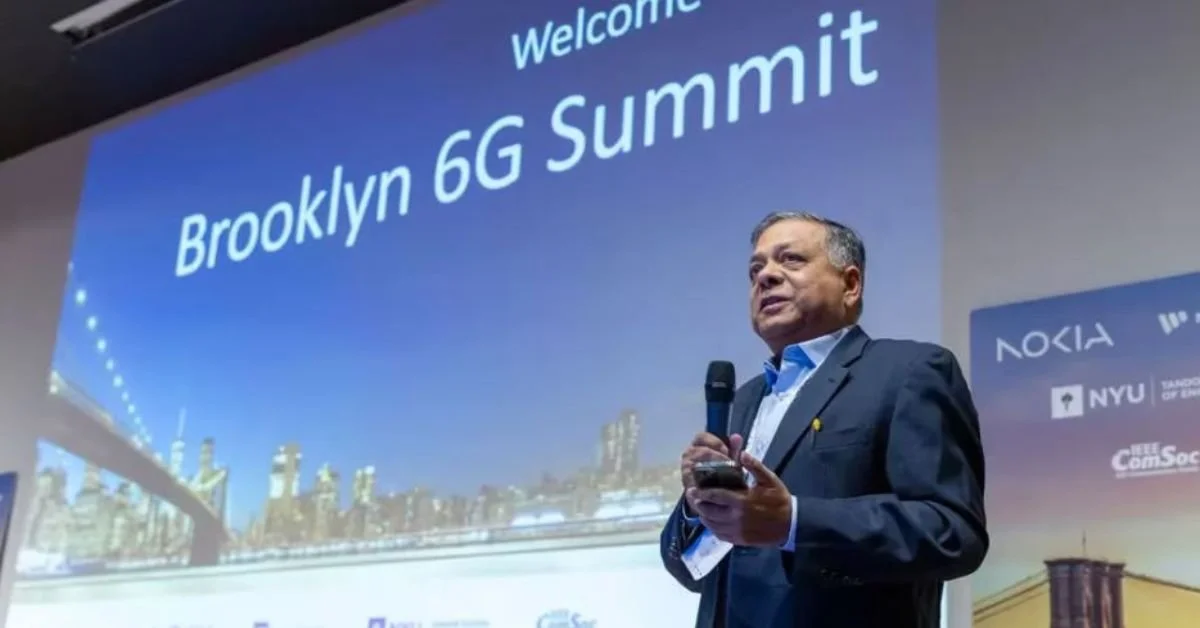
Organizations now understand the immense value of connecting with audiences both in person and online simultaneously. A hybrid event offers the best of both worlds: the tangible, electric energy of a live gathering and the expansive, inclusive reach of a digital broadcast. Planning these dual experiences requires precision, creativity, and a robust strategy. You must treat the physical and virtual components with equal weight to ensure every attendee feels valued. Success lies in the details. By focusing on engagement, technology, and production quality, you can deliver a hybrid event experience that resonates long after the final session concludes.
Understand the Distinct Needs of Both Audiences
Virtual attendees differ significantly from those sitting in the ballroom. You cannot simply place a camera in the back of the room and expect remote viewers to feel engaged. Physical attendees benefit from sensory experiences—networking, food, and ambiance. Online participants often face distractions at home and need punchy, concise content to stay focused. You must map out the journey for each group separately. Ask yourself what the virtual user sees when the in-person crowd breaks for lunch. Tailoring the schedule helps make sure neither group feels like an afterthought. You create a cohesive event only when you acknowledge and cater to these differences.
Select the Right Technology Platform
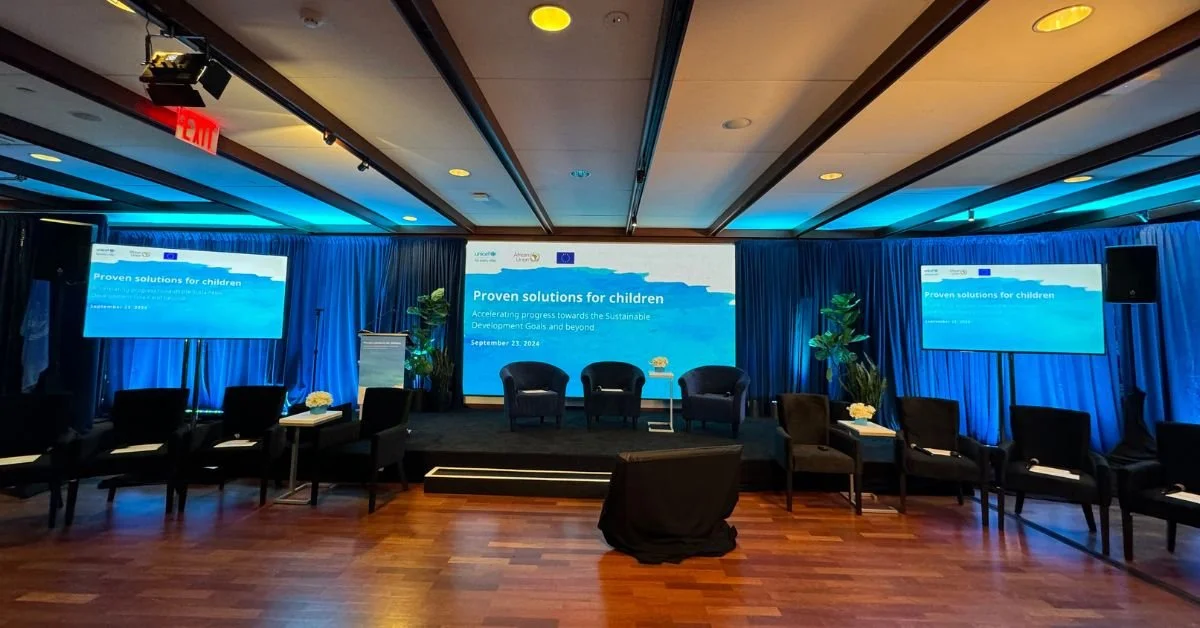
Technology serves as the backbone of any successful hybrid event. A standard video conferencing tool often fails to capture the grandeur required for a professional production. You need a platform that supports high-definition streaming, interactive chats, polling, and breakout rooms. Reliability remains paramount. You must test the bandwidth requirements and have backup internet solutions in place. The platform must also offer intuitive navigation. If an attendee struggles to log in or find a session, you lose them immediately. Invest in robust solutions that can handle high traffic volume without faltering. The right tech stack empowers your content to shine without interruption.
Integrate High-Quality Production Value
Grainy video and muffled audio will kill engagement faster than anything else. Professional lighting, crisp sound, and multiple camera angles transform a simple broadcast into a television-quality production. Think of the remote experience as a live television show. You must switch camera views to keep the visual dynamic and use graphics to introduce speakers. High production value signals to your audience that you value their time and attention. Many event planning companies emphasize that audio quality remains the single most critical technical element; if they cannot hear you, they will leave. Consider these essential production elements:
High-definition cameras with zoom capabilities
Lavalier microphones for clear audio capture
Three-point lighting kits for speaker visibility
Video switchers for seamless transitions
Dedicated encoding hardware for stable streaming
Facilitate Interaction Between Attendees
Bridging the gap between the two audiences creates a unified community feeling. You should use dedicated moderators for the online chat who can relay questions to the live speakers. Install screens at the physical venue that display the virtual audience or their comments. This reminds in-person guests that a wider audience exists. Encourage networking through the event app, where both groups can schedule meetings. When you foster connections across the digital divide, you enrich the networking potential for everyone involved.
Design Engaging Content for Remote Viewers
Content consumption differs significantly online. Long keynote speeches that work in a ballroom can feel tedious on a laptop screen. You must break up long sessions with varied formats like panels, Q&As, or short video interludes. Consider offering exclusive behind-the-scenes content for the virtual audience during physical breaks. Interviews with speakers or virtual-only breakout discussions add unique value to the digital ticket. Keep the energy high and the segments tight. By curating content specifically for the screen, you retain attention and prevent remote fatigue.
Coordinate Seamless Logistics on Site
The physical venue must accommodate the added layer of broadcast technology. You need space for cameras, control rooms, and AV teams without obstructing the view for in-person attendees. Check sightlines carefully. Ensure the lighting design works for both the naked eye and the camera lens. You also need to manage the flow of people to prevent noise pollution near microphones. Detailed diagrams and walkthroughs help the on-site team visualize the setup and prevent logistical bottlenecks. A well-organized venue allows the technical team to operate invisibly and effectively.
Prepare Speakers for a Dual Environment
Speakers often struggle to address two audiences simultaneously. They naturally gravitate toward the faces in the room, often ignoring the camera. You must coach your presenters to make eye contact with the camera lens frequently. This simple action makes remote viewers feel seen and addressed directly. Instruct speakers to repeat questions from the in-person audience before answering, as the online crowd might not hear them. Rehearsing these small habits makes a significant difference in how inclusive the presentation feels. Confidence on stage translates to confidence on screen.
Rehearse Extensively Before the Event
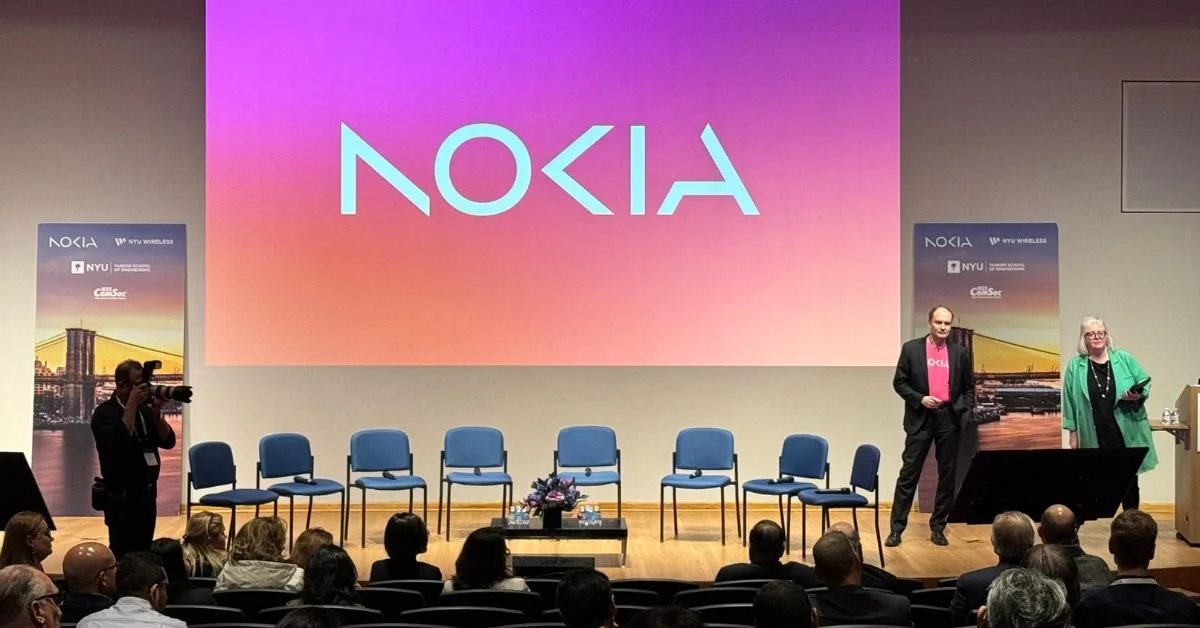
A hybrid event involves many moving parts, increasing the potential for technical glitches. You must run a full tech rehearsal with speakers, AV teams, and moderators. Test every transition, video cue, and microphone. Simulate potential problems, such as an internet outage or a remote speaker dropping off, and practice your contingency plans. The more you rehearse, the more confident the team will feel. A smooth run-of-show builds trust with your audience and showcases your professionalism. Preparation prevents panic and ensures a polished delivery.
Create Shared Experiences for Everyone
Find ways to synchronize the experience beyond the educational content. If you serve coffee to in-person guests, send a gift card or a coffee kit to virtual attendees beforehand. Use gamification elements like leaderboards or trivia that everyone can access via a mobile app. When you create moments of shared joy or competition, you dissolve the barrier between physical and digital. These touchpoints make the event memorable and foster a sense of belonging among all participants. Shared experiences build a stronger emotional connection to your brand.
Gather Feedback for Future Improvements
The work continues after the event ends. Send targeted surveys to both audience segments to understand their unique perspectives. Ask specific questions about audio quality, content relevance, and engagement opportunities. Analyze the data to see where you succeeded and where you fell short. Reviewing analytics from the virtual platform gives insights into drop-off rates and popular sessions. This data drives better decision-making for your next production. Continuous improvement ensures your events remain relevant and impactful.
Looking Toward the Future of Engagement
Hybrid events represent the future of professional gathering. They offer flexibility, sustainability, and inclusivity that single-format events cannot match. By meticulously planning for both the physical and digital experience, you create a powerful environment where ideas flourish. It requires effort, investment, and a commitment to excellence. When you execute a hybrid event with precision and passion, you elevate your brand and forge deeper connections with your community. Embrace the challenge and watch your audience grow.