

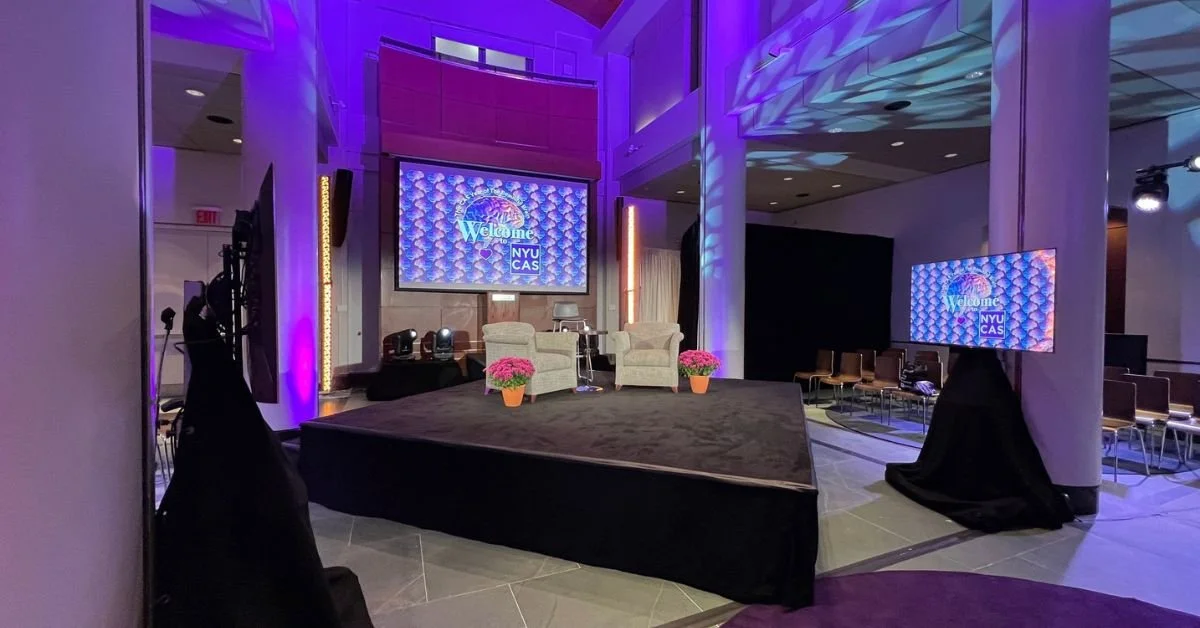
Corporate events no longer serve as simple gatherings or scheduled presentations. Brands now use these moments to communicate identity, values, and purpose in a highly immersive way. When branding aligns with event strategy, it transforms an ordinary experience into something memorable and impactful.
Companies that invest in branding during events often see stronger engagement, clearer messaging, and better long-term impressions. For organizations working with experienced production teams, the opportunity to elevate events becomes even more significant.
Why Branding Matters in Corporate Events
Branding shapes how attendees perceive an event from the moment they receive an invitation. It sets expectations and establishes tone before anyone walks into the space.
Strong branding creates consistency across every touchpoint. Attendees recognize visual elements, messaging, and experiences that reinforce a company’s identity. This alignment builds trust and strengthens brand recall long after the event ends.
For companies that prioritize experiential marketing, branding becomes the foundation for every decision.
How Branding Shapes First Impressions
First impressions happen quickly and often before the event begins. Invitations, landing pages, and promotional materials introduce the brand’s voice and visual style.
Once attendees arrive, signage, registration areas, and environment design continue that story. Cohesive branding ensures that every element feels intentional rather than disconnected.
This level of consistency signals professionalism and attention to detail, which reflects directly on the organization hosting the event.
Creating Emotional Connections Through Design
Branding does more than communicate information. It creates emotional responses.
Color palettes, lighting, textures, and layouts influence how people feel in a space. A well-branded event can feel energetic, sophisticated, innovative, or welcoming depending on the desired outcome.
When event design aligns with brand identity, attendees connect with the experience on a deeper level. That connection increases engagement and improves overall satisfaction.
Aligning Event Goals With Brand Identity
Every corporate event has a purpose. Some focus on networking, while others aim to launch products or celebrate milestones.
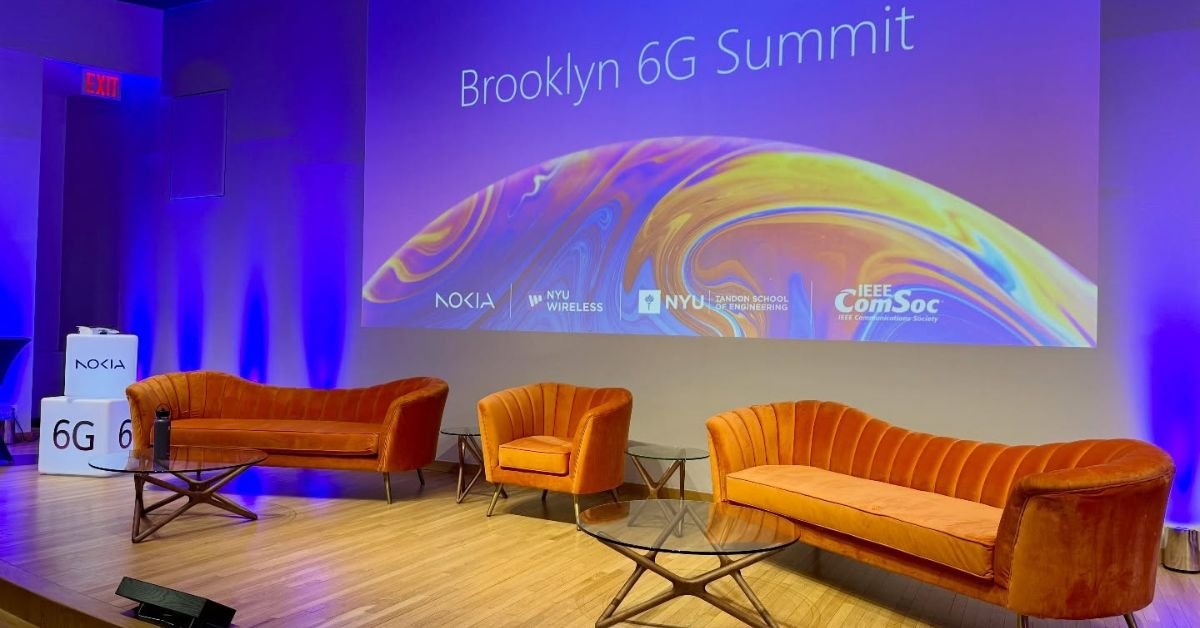
Branding ensures that the event’s visual and experiential elements support those goals. For example, a tech-focused company might prioritize sleek, modern design, while a community-driven brand may emphasize warmth and accessibility.
Alignment between goals and branding helps avoid confusion and keeps messaging clear throughout the event.
Enhancing Audience Engagement
Branded environments encourage interaction. When attendees feel immersed in a cohesive experience, they engage more naturally with content and activities.
Interactive elements such as branded installations, digital displays, and themed activations invite participation. These features create opportunities for attendees to connect with the brand in a hands-on way.
Higher engagement leads to better retention of key messages and stronger overall impressions.
Reinforcing Brand Messaging Across Touchpoints
Consistency remains one of the most important aspects of branding. Every touchpoint during an event should reinforce the same message.
This includes:
Stage design and presentations
Signage and wayfinding
Digital screens and media content
Staff uniforms and materials
Giveaways and branded merchandise
When all elements align, attendees experience a unified narrative rather than fragmented messaging.
Supporting Brand Recognition and Recall
Corporate events offer a unique opportunity to strengthen brand recognition. Attendees experience the brand in a physical space rather than through digital or static channels.
Repeated exposure to consistent visuals and messaging helps attendees remember the brand more clearly. This recognition becomes especially valuable in competitive industries where differentiation matters.
A well-branded event leaves a lasting impression that extends beyond the event itself.
Elevating Professionalism and Credibility
Branding communicates credibility. When an event feels cohesive and thoughtfully designed, it reflects positively on the organization behind it.
Attendees notice details such as quality materials, consistent visuals, and polished execution. These elements signal that the company values professionalism and invests in its image.
For businesses hosting high-level corporate events, this perception can influence partnerships, client relationships, and future opportunities.
Integrating Branding With Event Production
Branding works best when integrated early in the planning process. Event production teams play a key role in bringing brand concepts to life.
From staging and lighting to layouts and technical execution, production decisions must align with branding goals. Companies that offer comprehensive event management services often help bridge the gap between creative vision and execution.
This collaboration helps make sure that branding does not remain theoretical but becomes a tangible part of the event experience.
Adapting Branding for Different Event Types
Not all corporate events require the same approach to branding. A conference, product launch, and internal celebration each demand different strategies.
For example, large-scale conferences may prioritize clarity and navigation, while product launches focus on storytelling and excitement. Internal events might emphasize culture and employee connection.
Adapting branding to fit the event type ensures relevance while maintaining consistency with the overall brand identity.
Leveraging Technology for Branded Experiences
Technology plays a growing role in corporate events. Digital tools allow brands to create more dynamic and interactive experiences.
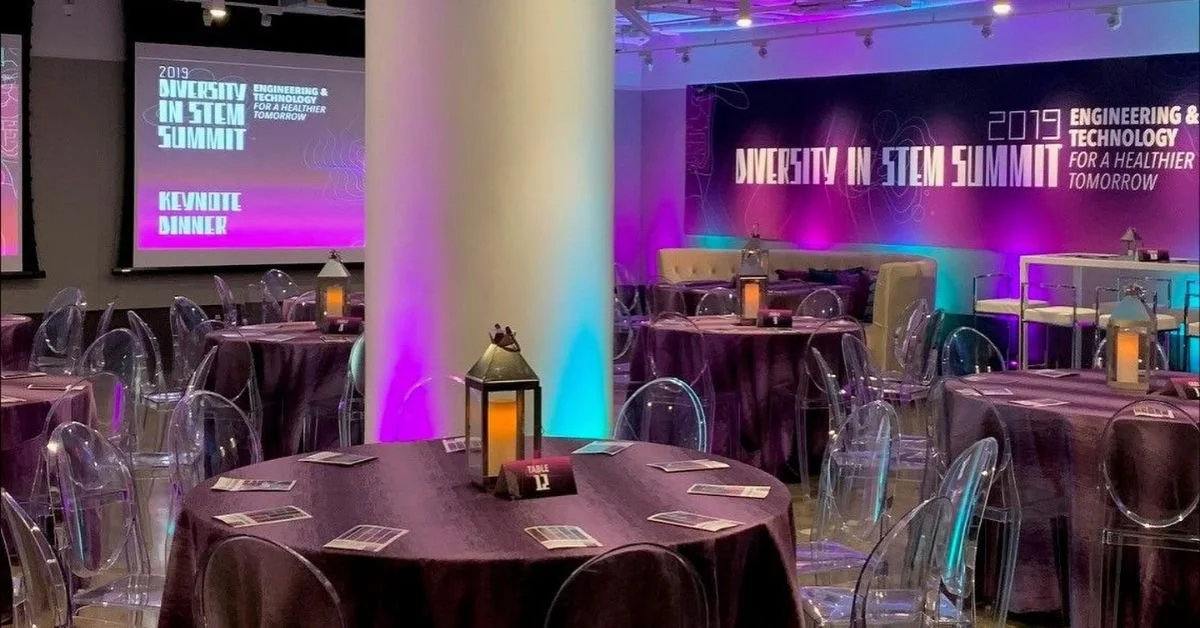
LED walls, projection mapping, and mobile apps offer opportunities to reinforce branding in creative ways. These tools can display visuals, deliver messaging, and enhance audience participation.
When used effectively, technology amplifies branding rather than distracting from it.
Measuring the Impact of Branded Events
Branding should contribute to measurable outcomes. Companies often evaluate event success through engagement metrics, attendee feedback, and post-event actions.
Branded events tend to perform better in areas such as:
Audience engagement levels
Social media sharing
Brand recall and recognition
Lead generation and follow-up interactions
Tracking these metrics helps organizations understand how branding influences event performance and guides future planning decisions.
Why Experience-Driven Branding Stands Out
Corporate audiences expect more than traditional presentations. They want experiences that feel meaningful and memorable.
Experience-driven branding focuses on creating moments rather than simply delivering information. It combines visuals, interactions, and storytelling to form a cohesive journey.
NYFF Events specializes in producing these immersive experiences, offering the flexibility to handle everything from smaller gatherings to large-scale corporate productions.
This capability allows brands to translate their identity into real-world environments that resonate with attendees.
Bringing It All Together
Branding transforms corporate events by turning them into cohesive, engaging experiences. It aligns visuals, messaging, and interactions to create a unified narrative that attendees can connect with.
When companies prioritize branding, they elevate professionalism, strengthen audience engagement, and improve long-term brand recall. These benefits extend beyond the event itself, influencing how people perceive the brand moving forward.
For organizations looking to create impactful corporate events, branding should never be an afterthought. It should serve as the foundation that guides every decision, from concept to execution.