

Best Practices for Organizing a University Campus Event

University campus events create opportunities to strengthen school culture, engage students, connect alumni, and support academic or fundraising goals. Whether organizers plan a welcome week celebration, career fair, homecoming event, cultural festival, or leadership conference, successful events require careful preparation and thoughtful execution. Every decision influences the attendee experience, from selecting the venue to coordinating entertainment and logistics.
Campus environments also present unique challenges. Organizers often need approval from multiple departments, must accommodate large groups, and have to balance budgets while creating memorable experiences. A structured planning process helps teams stay organized and avoid unnecessary setbacks.
The following best practices can help universities create campus events that attract attendees, run efficiently, and leave lasting impressions.
Start Planning Earlier Than You Think
Successful campus events rarely happen without months of preparation. Early planning gives organizers time to secure locations, coordinate vendors, obtain permits, and promote the event effectively.
Create a planning timeline that includes every major milestone. Schedule meetings with university administrators, student organizations, campus security, facilities teams, and marketing departments well before event day.
An early start also increases vendor availability and provides flexibility if schedules change.
Define the Purpose of the Event
Every successful campus event begins with a clear objective. Ask important questions before making logistical decisions
What should attendees gain from the experience?
Who represents the primary audience?
How will organizers measure success?
What message should the event communicate?
Clear goals influence every planning decision, including programming, venue selection, marketing, entertainment, and budgeting.
Build the Right Planning Team
Campus events often involve many moving parts. A dedicated planning committee helps divide responsibilities while maintaining accountability.
Assign specific roles for logistics, vendor coordination, budgeting, marketing, volunteer management, sponsorships, and attendee communications. Regular check ins keep everyone aligned throughout the planning process.
When responsibilities remain clearly defined, organizers reduce confusion and improve efficiency.
Choose a Venue That Supports the Experience
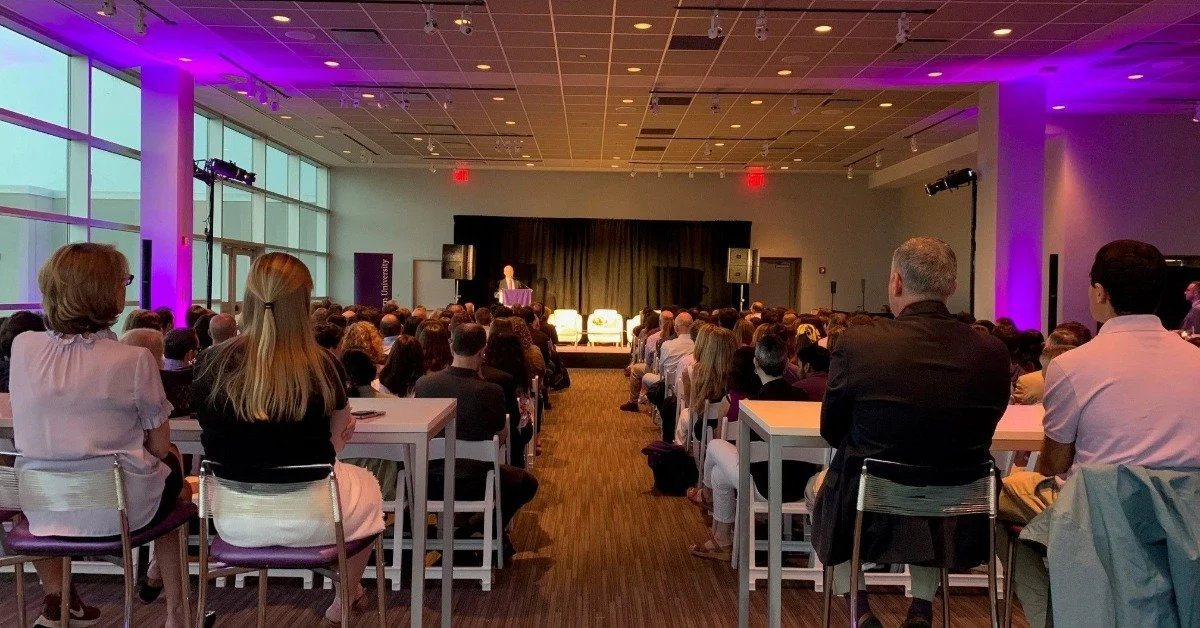
The venue shapes attendee flow, comfort, and engagement. Universities often offer multiple venue options, including:
Student unions
Athletic fields
Courtyards
Auditoriums
Lecture halls
Outdoor quads
Recreation centers
Evaluate each location based on capacity, accessibility, power availability, parking, weather considerations, and technology needs.
Outdoor events require additional planning. Many campuses rely on tent rentals to provide shade, weather protection, gathering spaces, registration areas, dining sections, or VIP hospitality.
Selecting the right environment helps attendees remain comfortable throughout the event.
Develop a Realistic Budget
Budgets influence every aspect of event planning.
Identify expected expenses before committing to vendors or programming. Common budget categories include venue preparation, audiovisual equipment, entertainment, staffing, catering, permits, transportation, décor, signage, insurance, and marketing.
Leave room for unexpected expenses. Last minute weather adjustments, equipment needs, or scheduling changes can quickly affect overall costs.
Tracking expenses throughout the planning process prevents surprises later.
Create an Engaging Event Schedule
Attendees appreciate events that maintain momentum without feeling rushed.
Build an agenda that balances structured programming with opportunities for networking, social interaction, and exploration.
Consider how attendees move between activities. Avoid scheduling multiple headline attractions simultaneously if they appeal to the same audience.
For larger campus festivals, spread activities throughout the venue to reduce congestion while encouraging guests to explore different areas. A well-paced schedule keeps attendees engaged from beginning to end.
Make Accessibility a Priority
Inclusive campus events create better experiences for everyone. Review every aspect of the event through an accessibility lens.
Consider some of these accessibility concerns when planning an event:
Wheelchair accessible pathways
Accessible seating
Clear directional signage
Restroom availability
Appropriate lighting
Sound accommodations
Dietary options
Transportation access
Universities serve diverse populations with varying needs. Planning for accessibility from the beginning creates a welcoming environment while supporting campus inclusion initiatives.
Coordinate Campus Partners Early
Many university events require collaboration across multiple departments.
Facilities teams may handle setup requirements. Campus security often assists with crowd management and emergency planning. Information technology departments may support presentations or livestreams. Dining services can coordinate food operations.
Student organizations, alumni associations, academic departments, athletics, and marketing teams may also participate.
Early communication reduces scheduling conflicts and helps every department prepare for its responsibilities.
Promote the Event Across Multiple Channels
Even exceptional events need effective promotion. Develop a marketing plan that reaches students, faculty, alumni, staff, and community members where appropriate.
Campus marketing often includes email newsletters, university websites, digital signage, social media, student organizations, residence halls, and classroom announcements.
Maintain consistent messaging across every platform. Clearly communicate the event date, location, registration details, schedule highlights, and any participation requirements.
Frequent reminders help increase attendance as the event approaches.
Design Spaces That Encourage Interaction
Avoid placing every attraction in one location. Instead, create intentional spaces that support different activities throughout the venue.
Consider separate areas for networking, presentations, food service, entertainment, interactive experiences, and relaxation.
Wide walkways improve traffic flow while reducing congestion during busy periods.
Comfortable seating encourages conversations and gives attendees opportunities to recharge between activities.
Thoughtful layouts help guests navigate naturally without confusion.
Prepare for Weather and Unexpected Challenges
Outdoor campus events always involve some uncertainty. Make sure to develop contingency plans before the event day.
Prepare backup locations if severe weather occurs. Identify alternative power sources for critical equipment. Establish communication procedures for schedule changes.
Emergency planning should also include medical response procedures, lost child protocols when families attend, evacuation routes, and vendor contact information.
Preparation allows organizers to respond calmly when unexpected situations arise.
Prioritize Safety Throughout the Event
Safety planning protects attendees, staff, volunteers, and vendors.
Work closely with campus security to evaluate crowd management strategies, emergency access routes, parking plans, and traffic control.
Review capacity limits for every venue and ensure exits remain accessible throughout the event.
Large gatherings may require first aid stations, security personnel, or emergency response teams depending on attendance projections.
Visible safety measures also increase attendee confidence.
Focus on the Attendee Experience
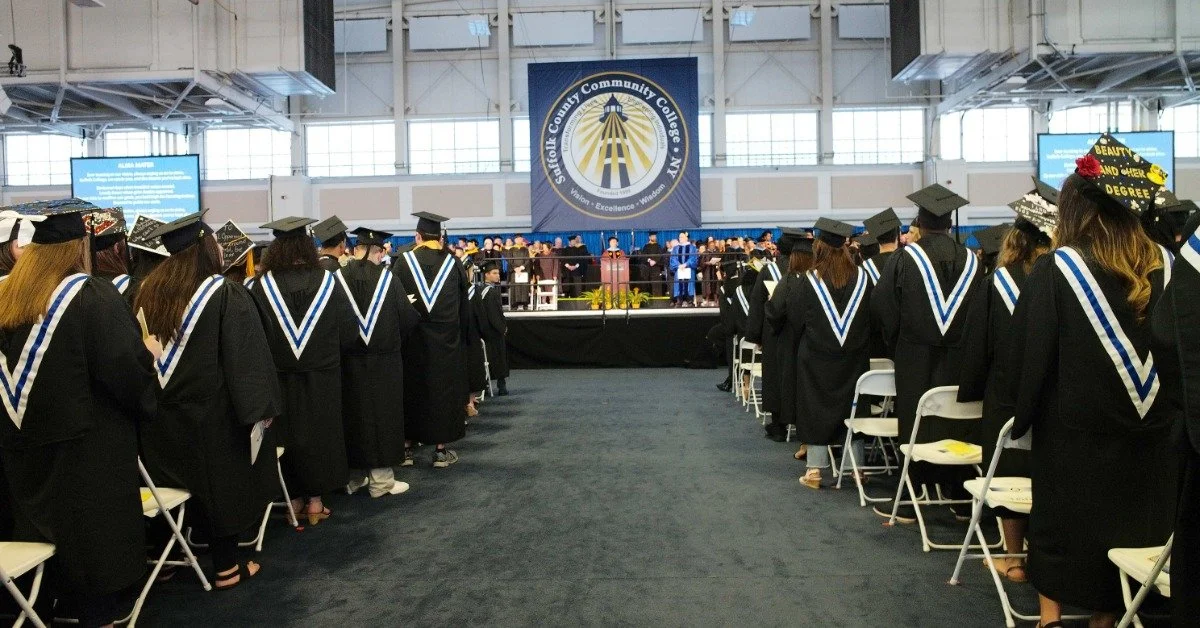
Successful events consider every step of the attendee journey. Think about what guests experience from arrival through departure. Simple improvements often make significant differences.
Clear signage helps visitors navigate unfamiliar locations. Friendly volunteers answer questions quickly. Efficient registration minimizes wait times. Comfortable seating encourages longer participation.
Small details collectively shape attendees' overall impressions of the event.
Work With Experienced Event Partners
Campus events frequently require specialized equipment, technical expertise, entertainment, staging, lighting, and production support.
Experienced event professionals understand how to coordinate large scale logistics while adapting to changing conditions.
Professional partners can assist with event design, equipment installation, audiovisual production, interactive attractions, furniture, lighting, décor, and entertainment coordination.
Their experience allows university organizers to focus on programming and attendee engagement rather than troubleshooting operational details throughout the day.
Gather Feedback After the Event
Evaluation helps improve future campus events. Collect feedback from attendees, volunteers, university staff, vendors, and campus partners shortly after the event concludes.
Ask questions about registration, scheduling, communication, programming, accessibility, and overall satisfaction.
Review attendance numbers, budget performance, vendor experiences, and logistical successes alongside areas for improvement.
Document lessons learned while they remain fresh. Future planning becomes much easier when organizers maintain detailed records from previous events.
Build Campus Traditions Through Consistency
The most memorable university events often become annual traditions. Consistent quality encourages stronger attendance each year while strengthening campus culture and alumni engagement.
Returning events also benefit from established planning processes, vendor relationships, and institutional knowledge.
Each successful event creates opportunities to refine programming, introduce new experiences, and better serve future attendees.
When organizers commit to continuous improvement, campus events become meaningful traditions that students, faculty, alumni, and community members look forward to year after year.