

9 Creative Design Tips for Outdoor Social Events
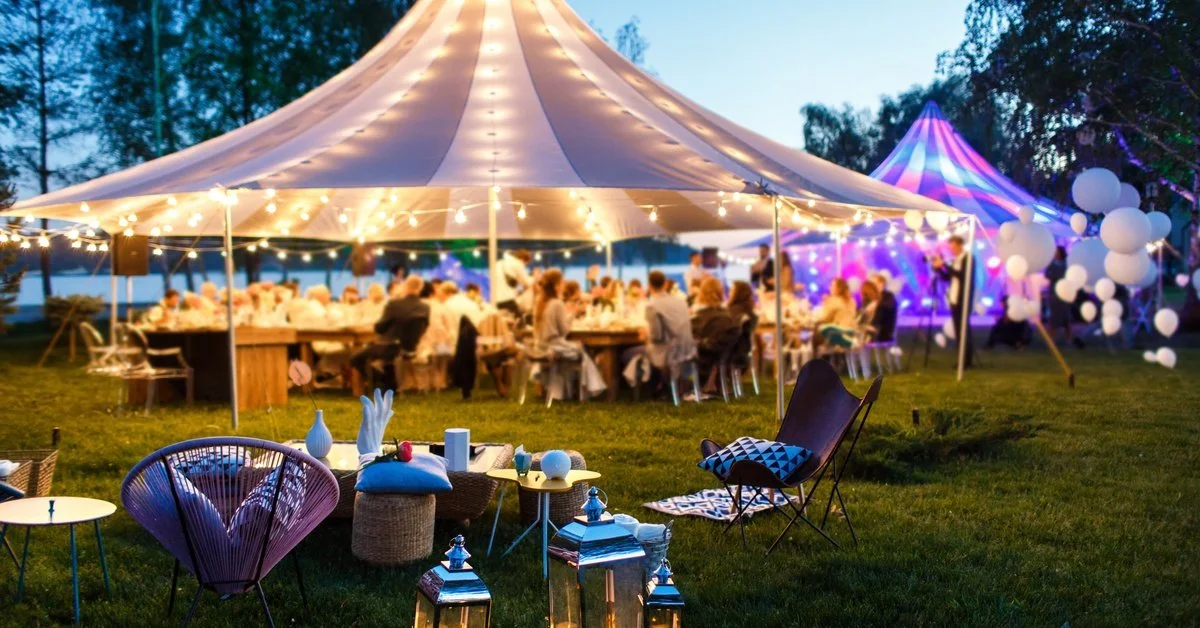
The allure of an outdoor event lies in its potential. A sprawling lawn, a sun-drenched terrace, or a hidden garden offers a blank canvas that invites limitless creativity. Unlike indoor venues, where walls define the boundaries, outdoor spaces allow hosts to create truly immersive environments. This freedom, however, presents unique challenges. Without the existing infrastructure of a ballroom, you must build the atmosphere from the ground up.
Successful outdoor event design requires a harmonious blend of logistical precision and artistic vision. You want to create a setting that feels both spontaneous and meticulously curated. When you execute this balance correctly, you transform a simple gathering into an extraordinary experience that guests will remember for years. We believe that every outdoor celebration deserves a design strategy that highlights the beauty of the natural surroundings while providing the comfort and sophistication of a high-end indoor affair.
Here are some professional strategies to elevate your next outdoor social gathering through purposeful design.
Define A Cohesive Narrative For The Occasion
Great design starts with a strong story. Before you select a single tablecloth or floral arrangement, you must establish the narrative of the event. A cohesive theme anchors every decision you make, from the invitation font to the cocktail garnishes. For an outdoor setting, consider how the narrative interacts with the environment. A "Secret Garden" theme works effortlessly in a botanical setting, while a "Coastal Chic" narrative suits a waterfront view.
Do not merely choose colors; choose a feeling. If the goal involves high energy and networking, the design should facilitate movement and vibrancy. If the objective is an intimate celebratory dinner, the narrative should focus on warmth, closeness, and detailed textures. By defining this narrative early, you ensure that every design element communicates a unified message to your guests.

Leverage The Existing Landscape Features
Nature serves as your co-designer in an outdoor setting. Rather than imposing a foreign structure upon the land, incorporate the existing topography into your layout. An ancient oak tree creates a perfect focal point for a ceremony backdrop or a lounge area. A gentle slope might offer a natural amphitheater for speeches or entertainment.
We encourage you to frame these natural elements rather than hide them. Uplighting a row of hedges or draping fabric from sturdy branches integrates the venue’s inherent beauty into your decor. This approach not only saves on fabrication costs but also grounds the event in its specific location, making the experience feel authentic and rooted. When you work with the landscape, you enhance the organic elegance that makes outdoor events so desirable.
Create Distinct Zones Within Open Spaces
One common pitfall of outdoor events is the "floating" sensation, where guests feel lost in a vast, undefined area. To combat this, you must designate specific zones for different activities. Use visual boundaries to define these spaces without erecting solid walls. Area rugs, distinct furniture groupings, and portable hedges effectively section off a cocktail area from a dining space.
Creating these "rooms" outdoors fosters a sense of intimacy. Guests naturally congregate in well-defined areas. You might design a high-energy bar zone near the entrance to greet arrivals, followed by a transition into a more secluded, comfortable lounge area for conversation. By controlling the layout, you guide the guest journey and ensure the energy remains concentrated rather than dissipating across an open field.
Implement Layered Lighting For Ambience
Lighting transforms an outdoor space more effectively than any other design element. Once the sun sets, your lighting scheme dictates the mood. A professional lighting plan moves beyond simple floodlights and incorporates layers of illumination. Start with functional lighting to ensure pathways and food stations remain visible and safe. Then, add ambient lighting to soften the atmosphere.
Consider these impactful lighting options:
String lights or bistro bulbs to create a false ceiling and define the overhead space.
Lanterns lining walkways to guide guests warmly toward main areas.
Pin-spots on dining tables to highlight floral centerpieces.
Uplights on trees or architectural features to add drama and depth to the perimeter.
Select Furniture That Bridges Comfort And Style
Outdoor furniture often leans too heavily on utility, sacrificing aesthetics for durability. However, we insist that you can have both. Introduce residential-style furniture to bring warmth and sophistication to the outdoors. Velvet sofas, tufted ottomans, and farmhouse dining tables disrupt the expectation of standard folding chairs and plastic tables.
Mixing textures adds richness to the design. Pair rustic wooden tables with sleek, modern metal chairs, or soften iron garden furniture with plush, colorful cushions. Ensure that the furniture arrangement encourages interaction. Place seating in small clusters to invite conversation. When guests feel physically comfortable, they stay longer and engage more deeply with the event and each other.
Curate A Color Palette That Complements Nature
The colors you choose must harmonize with the natural backdrop. In a lush garden, a palette of stark neon might jar the senses, whereas soft blushes, creams, and metallics will enhance the greenery. Conversely, in a desert or beach setting, vibrant teals and corals can stand up beautifully against the neutral tones of sand and stone.
We recommend creating a mood board that includes photos of the venue at the time of day the event will take place. Sunlight affects color perception drastically. The golden hour casts a warm glow that alters how we see cool tones. By selecting hues that work with the natural light and landscape, you create a visual experience that feels polished and intentional.
Design Weather-Proof Elements That Look Intentional
Weather poses the greatest variable for outdoor events, but functional protection need not look utilitarian. Design your shade and shelter solutions as key aesthetic components. A high-peak sailcloth tent with wooden poles offers a stunning, nautical elegance that enhances the design rather than hiding it.
If rain is a possibility, clear-span marquees allow guests to enjoy the views while remaining dry. For hot days, incorporate decorative parasols or chic, modern umbrellas into the seating plan. When you treat weatherproofing as a design opportunity, you maintain the visual integrity of the event. You demonstrate to your guests that you have considered their comfort without compromising on style.
Integrate Entertainment Into The Design Aesthetic
Entertainment provides the heartbeat of the celebration, but the physical setup must align with your visual goals. A large, black plastic stage can ruin a carefully curated garden party vibe. Instead, design a stage fascia that matches the event decor, perhaps using boxwood panels or custom fabrication.
The placement of your entertainment drives the energy flow. A string quartet tucked into a gazebo offers a subtle, elegant touch, while a dance band requires a prominent position with a proper dance floor. This is also the ideal moment to coordinate with party entertainment services to ensure their technical needs—like soundboards and speakers—are masked or integrated into the design, keeping the visual field clean and uncluttered.
Orchestrate Seamless Guest Flow And Accessibility
The final, and perhaps most important, outdoor event design tip involves movement. You must design the event for people, not just for photos. Consider how a guest in heels navigates a grassy lawn. providing flooring or distinct pathways prevents discomfort. Ensure that the distance between the kitchen and the dining area allows for efficient service without staff crossing through the main guest thoroughfares.
Accessibility demonstrates professional foresight. Ramps should be integrated into the design, not added as an afterthought. Wide pathways accommodate groups walking together. When you prioritize flow, guests move through the event intuitively. They find the bar, the restrooms, and their seats without confusion, allowing them to focus entirely on the celebration you have so beautifully crafted.